Machu Picchu Entrance Tickets and Circuits Explained (2026)
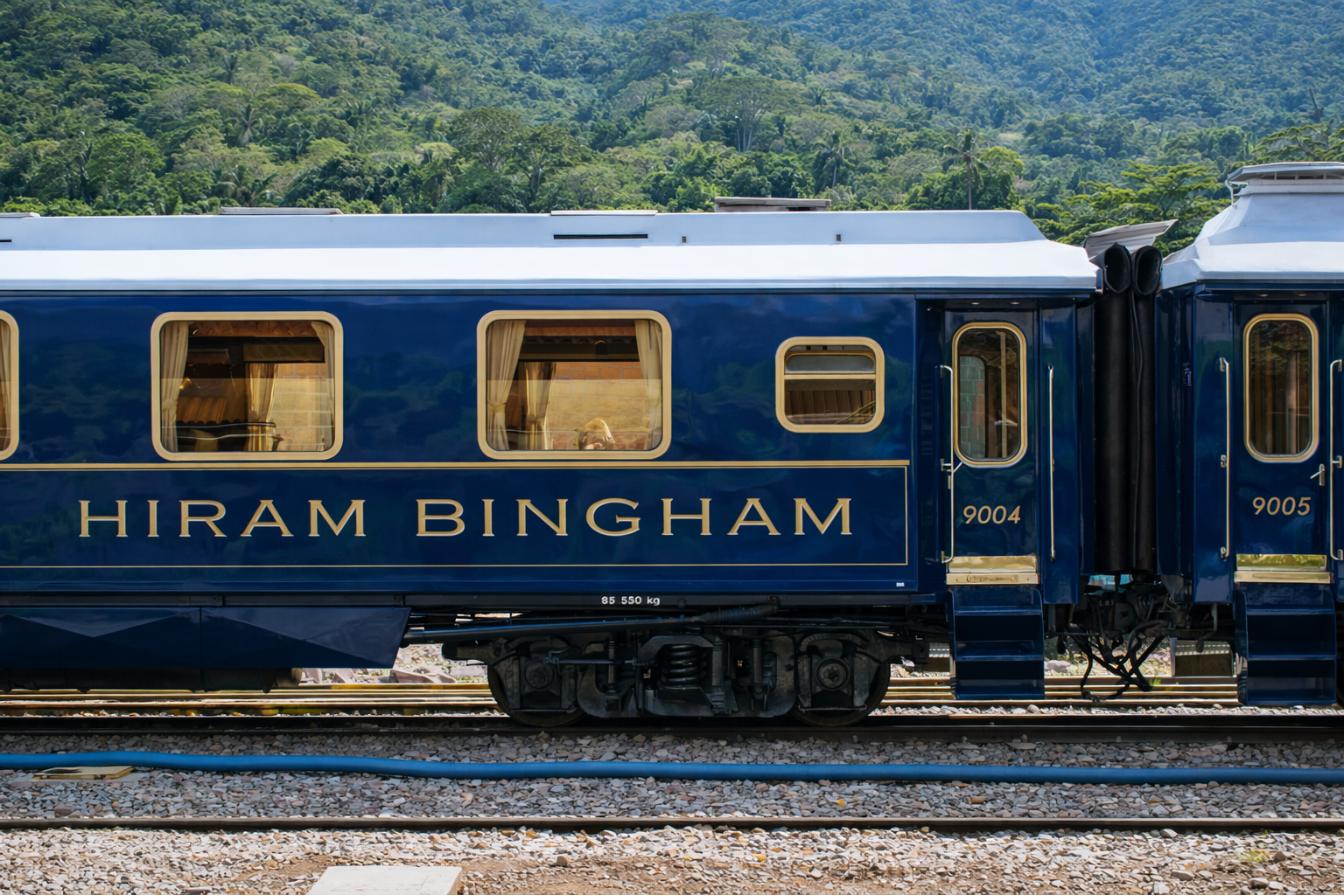
The circuit system that governs how you move through Machu Picchu was rebuilt from the ground up, and it changes what you can see, when you can walk in, and which ticket to buy. Here is how the tickets and circuits actually fit together, and where the Hiram Bingham guided visit sits inside them.
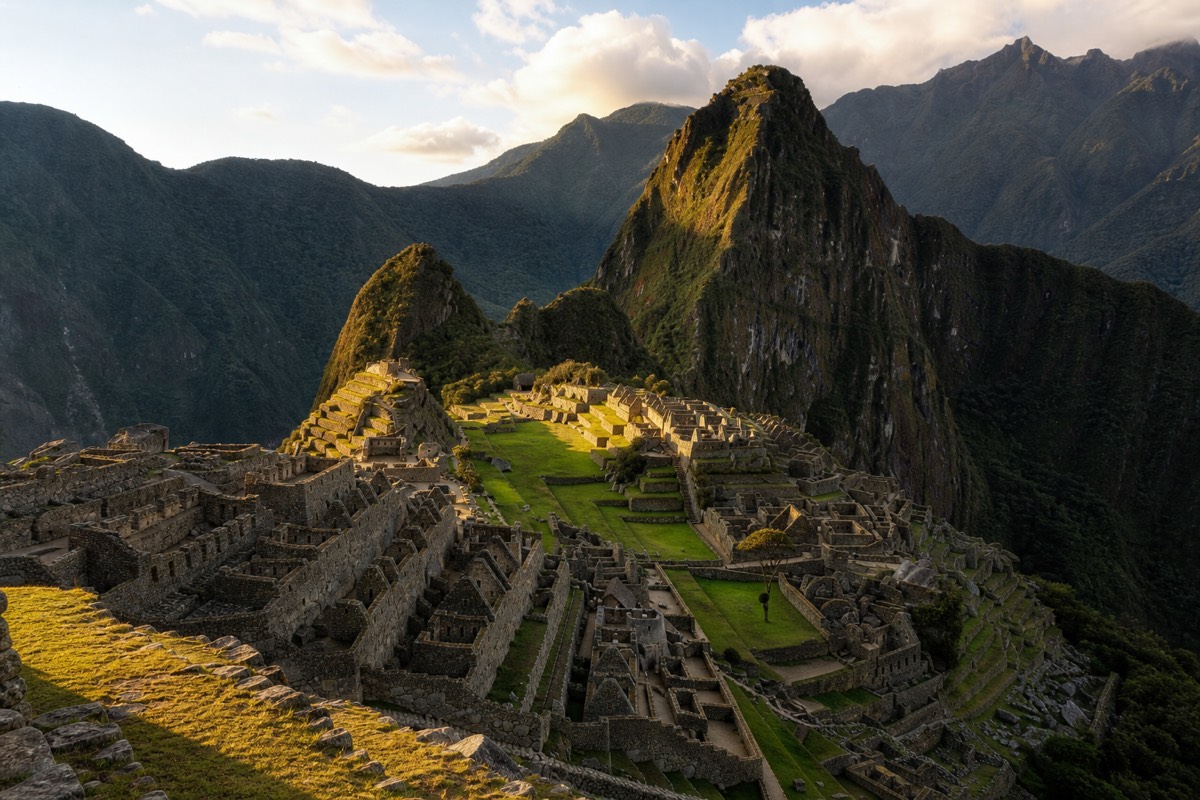
Buy a Machu Picchu ticket today and you are not just buying a date. You are buying a circuit, a route within that circuit, and a fixed hour to walk through the gate. Peru rebuilt the whole entry model, and the version now in force for 2026 divides the citadel into three circuits and ten separate routes. Pick the wrong one and you can stand at the entrance holding a valid ticket that will not let you see the postcard view you flew halfway around the world for.
How does the Machu Picchu circuit system actually work now?
Since mid-2024 every Machu Picchu ticket locks you into one of three circuits and one of ten routes, plus a timed entry slot printed on the ticket. You follow a one-directional path, you cannot double back, and you cannot switch circuits once inside. The circuit you choose decides which temples, terraces and viewpoints you actually reach.
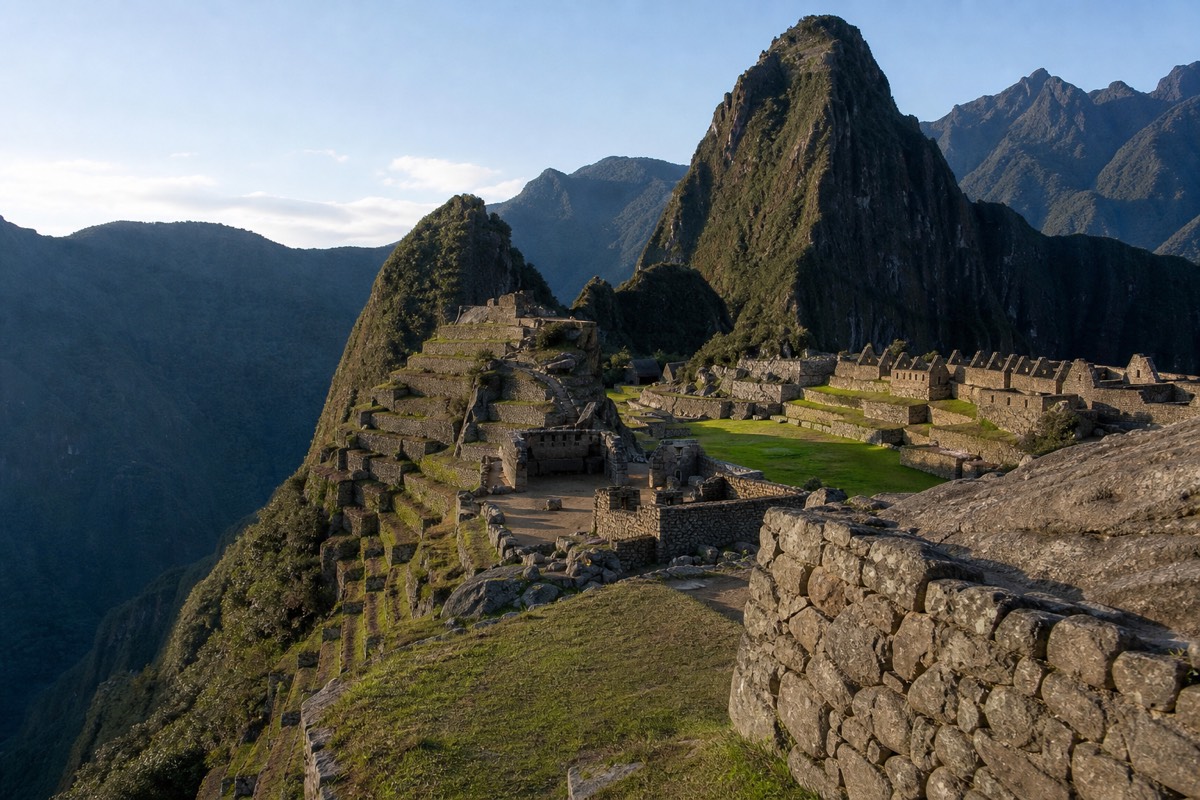
The old free-roam days are gone. The Ministry of Culture, which runs the site, now spreads visitors across fixed routes to protect the stonework and stop bottlenecks at the famous overlook. Each ticket type maps to exactly one route, and the guard at the turnstile checks that your entry hour matches your slot. This is why two people can both say they went to Machu Picchu and describe completely different mornings.
The single most important thing to get right: the classic wide photo of the citadel with Huayna Picchu behind it lives on the upper section of Circuit 1 and Circuit 2. Circuit 3 stays low and never reaches that high viewpoint. If that shot matters to you, do not book a Circuit 3 route by accident.
Because the citadel is a protected UNESCO World Heritage site, the caps are not a marketing gimmick, they are a conservation rule (UNESCO listing 274). Understanding the three circuits before you pay is the difference between a smooth visit and an expensive lesson. It also feeds naturally into the wider question of the best time to visit Machu Picchu, since the busiest months squeeze the popular slots hardest.
What are the three circuits and their ten routes?
Circuit 1 is the panoramic circuit, built around the high viewpoints and the long add-on walks. Circuit 2 is the classic citadel circuit that pairs the famous overlook with the main temples. Circuit 3 is the royalty circuit that stays in the lower urban sector and holds the two big mountain climbs.
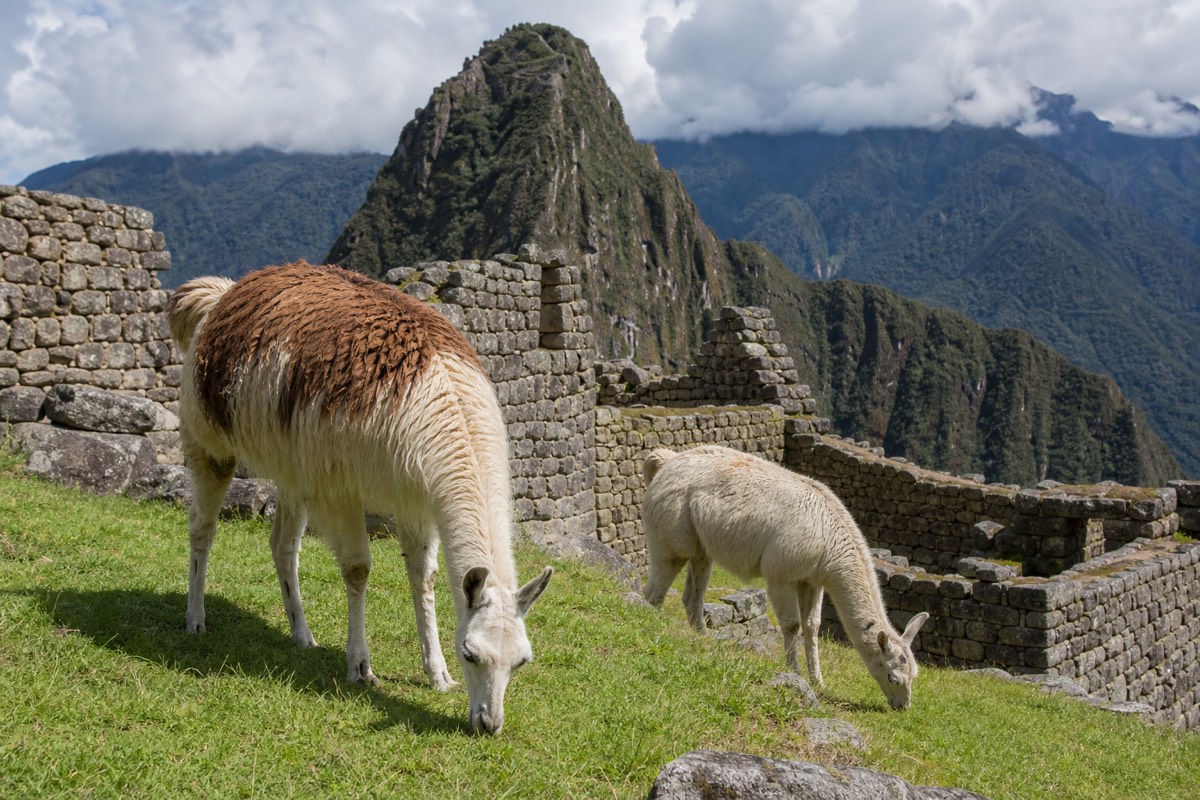
The official names sound grander than the routes feel on the ground, so here is the plain-English version. Circuit 1 keeps you high and wide. Circuit 2 gives you the best all-round visit. Circuit 3 puts you among the royal residences down low, and it is the only circuit that carries the Huayna Picchu permit. Ten routes sit under those three headings.
| Circuit | Route code | Route name | Headline feature |
|---|---|---|---|
| Circuit 1 (Panoramic) | 1-A | Machu Picchu Mountain | The high peak climb, plus panoramic terraces |
| 1-B | Upper Terrace | The classic postcard viewpoint, short and photo-first | |
| 1-C | Inti Punku (Sun Gate) | Walk out to the Inca Trail's final gateway | |
| 1-D | Inca Bridge | Short cliff-edge walk to the stone drawbridge | |
| Circuit 2 (Classic / Inka Citadel) | 2-A | Designed Classic Route | Postcard view then down into the main temples |
| 2-B | Lower Terrace | Same core, with an extra upper terrace photo stop | |
| Circuit 3 (Royalty) | 3-A | Huayna Picchu | The steep peak behind the citadel, permit-only |
| 3-B | Designed Royal Route | Lower urban sector, royal residences, temples from below | |
| 3-C | Great Cavern | Long walk to the Temple of the Moon under Huayna Picchu | |
| 3-D | Huchuy Picchu | Short climb up the little peak, easy views |
Notice that the two showpiece climbs, Huayna Picchu and Machu Picchu Mountain, live on different circuits. Huayna Picchu is Route 3-A. Machu Picchu Mountain is Route 1-A. You cannot do both on one ticket, and neither one is included in a standard entry. More on those add-ons below.
What does each circuit actually let you see?
Circuit 1 trades temple time for altitude and long walks, giving you the wide view and the outlying sites. Circuit 2 covers the famous overlook and then descends through the Temple of the Sun area, the Sacred Plaza and the residential core. Circuit 3 skips the high viewpoint and explores the lower royal quarters and the mountain trailheads.
If you only remember one thing, remember that Circuit 2 is the balanced choice for a first visit. It gives you the shot everyone wants and it walks you past the buildings that make the guide's history worth hearing. Circuit 1 is for people who came to climb or to walk the Inca Trail's final stretch. Circuit 3 rewards travellers who want quiet time among the stonework and are booking a mountain permit anyway.
| Circuit | Key sights on the route | Effort | Best for |
|---|---|---|---|
| Circuit 1 | Upper terraces, Guardian's House viewpoint, plus your chosen add-on (Machu Picchu Mountain, Sun Gate or Inca Bridge) | Moderate to hard, depending on add-on | Climbers, Inca Trail finishers, wide-angle photographers |
| Circuit 2 | The classic overlook, Temple of the Sun viewpoint, Sacred Plaza, Main Temple, Temple of the Three Windows, Sacred Rock, Temple of the Condor | Moderate, mostly downhill after the top | First-timers who want the view and the temples |
| Circuit 3 | Lower urban sector, royal residences, Temple of the Sun from below, water fountains, Temple of the Condor, plus optional Huayna Picchu or Huchuy Picchu | Easy at citadel level, hard if you add Huayna Picchu | Return visitors, mountain-permit holders, quieter walking |
One honest caveat: access to the Intihuatana ritual stone has been opened and closed on rotating timed windows to protect it, so treat any single sight as subject to the day's rules rather than guaranteed. This is another reason a guided visit helps, because the guide knows what is open on the morning you arrive. It is also worth reading up on train options from Cusco to Machu Picchu before you fix a circuit, since your arrival time shapes which entry slots are realistic.
Which circuit does the Hiram Bingham guided visit use?
The Belmond Hiram Bingham day tour is built around the classic Circuit 2 route through the llaqta, the same balanced path that pairs the postcard overlook with the main temple complex. Your entrance ticket, the timed slot and an English-speaking guide are handled inside the package, so you are not fighting the official booking site for a standard-circuit slot yourself.
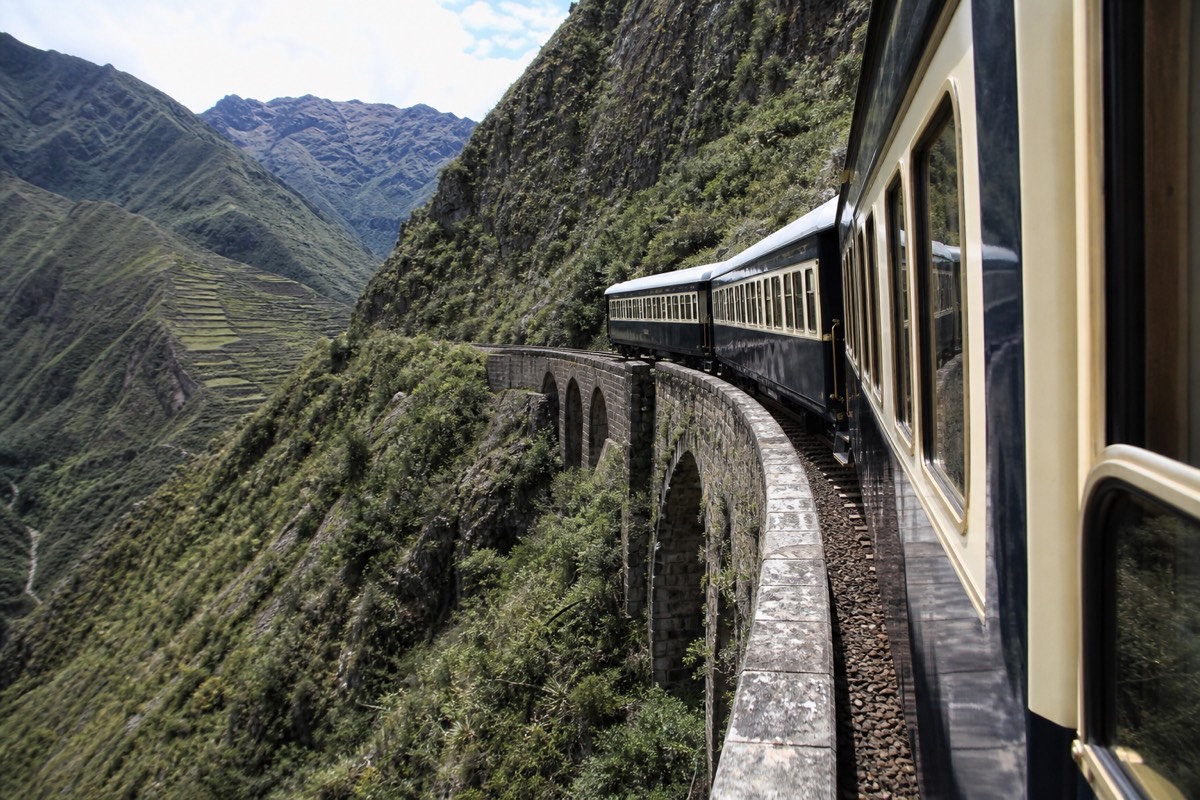
This matters more than it sounds. On a self-organised trip you buy the train, the bus, the entrance and the guide separately, and the Machu Picchu ticket sells out independently of your train seat. A bare Belmond train fare does not by itself include site entry, as the operator states plainly on the official Hiram Bingham page: the train ticket alone does not guarantee entry to Machu Picchu. The full-day bundle folds the Circuit 2 entrance and the guide into one booking, which removes the single most common planning failure.
If you want to understand exactly what that all-in day covers versus a bare train seat, the fare breakdown for the Hiram Bingham ticket is worth a careful read, because the entrance and guide are a real slice of the price. Travellers weighing the cost of the Hiram Bingham ticket against a cheaper self-built day should factor in the value of never touching the Ministry booking queue.
Circuit 2 in detail: what is the difference between routes 2A and 2B?
Routes 2A and 2B share almost the same path. 2A, the Designed Classic Route, takes a slightly more direct line to the famous viewpoint with less uphill. 2B, the Lower Terrace route, adds an extra upper terrace stop and lets you see the Temple of the Sun tower from above before you descend into the urban sector.
For most people the choice is minor. If your legs or your lungs are tired from the altitude, 2A is the gentler line. If you want one more elevated photo angle and do not mind a little extra climbing, 2B earns it. Both end up walking the same core temples, so nobody books the wrong one and misses the trip.
| Feature | Route 2A (Designed Classic) | Route 2B (Lower Terrace) |
|---|---|---|
| Path to the viewpoint | More direct, less uphill | Extra upper terrace loop first |
| Temple of the Sun | Seen from the standard viewpoint | Also seen from above |
| Physical effort | Lower | Slightly higher |
| Best for | Anyone feeling the altitude | Photographers wanting more angles |
The Hiram Bingham guided group follows this Circuit 2 family, which is why passengers come away with both the wide shot and the temple detail. If you are still deciding how you get to the mountain in the first place, comparing the Hiram Bingham against the Vistadome helps, because the scenic daytime train and the luxury service arrive on different rhythms and suit different entry slots.
How much do Machu Picchu entrance tickets cost?
Entrance prices are set in Peruvian soles by the Ministry of Culture and vary by circuit and by who you are. As a 2026 guide, a foreign adult standard ticket runs around 152 soles, roughly 40 to 45 US dollars, while a route that adds a mountain climb costs more, near 200 soles. Treat every figure here as a planning number and confirm the live price before you pay.
Prices move, and different official channels quote slightly different figures. PeruRail's own published table lists a foreign adult fare closer to 60 US dollars for some routes, so the honest answer is a range, not a single locked number. What does not change is the structure: nationality tiers, a big discount for Andean Community citizens, reduced rates for students and children, and a premium for the mountain routes.
| Ticket holder | Standard circuit (approx.) | Mountain route 1-A or 3-A (approx.) |
|---|---|---|
| Foreign adult (18+) | ~152 soles / around $40 to $45 | ~200 soles / around $55 to $62 |
| Andean Community adult (PE, BO, CO, EC) | ~112 soles / around $30 | Higher, check official |
| Foreign student (with ISIC) / child 3-17 | Reduced, ~77 to 80 soles / around $20 to $22 | Reduced, check official |
| Children under 3 | Free (still needs a booked ticket) | Not permitted on mountain routes (age limits apply) |
Two currency notes save arguments later. First, the price is in soles, so a card charged in dollars gets the day's exchange rate plus any card fee, which is why the dollar figure floats. Second, resellers add their own margin on top, so a package price is never the bare ticket price. If you are comparing the all-in day against a self-built trip, look at how much the Hiram Bingham train costs on its own, then add the entrance, the bus and a guide to any do-it-yourself sum before you decide which is cheaper. Many travellers ask why PeruRail is so expensive, and the answer folds the single-track line, the limited daily seats and the onboard service into one fare.
Can you add a mountain climb, and which one should you pick?
Yes, but only through the right route, and the permits are strictly capped. Huayna Picchu, the steep peak in every photo, is Route 3-A and limited to roughly 400 people a day. Machu Picchu Mountain is Route 1-A, taller but gentler, capped near 800 a day. Huchuy Picchu is the easy little summit on Route 3-D. Each is a separate ticket that sells out well ahead.
The mountain you want decides your circuit, so book the climb first and let it choose the route. Huayna Picchu is the dramatic one and the fastest to sell out, sometimes three or four months ahead in peak months. Machu Picchu Mountain is the better call if heights bother you, because the trail is wider and less vertiginous even though it climbs higher. Huchuy Picchu is a 30 to 45 minute leg-stretch for a view, ideal if you just want a little height without the commitment.
| Climb | Route / circuit | Round-trip time | Difficulty | Daily permit cap |
|---|---|---|---|---|
| Huayna Picchu | 3-A / Circuit 3 | 2 to 3 hours | Hard, steep, exposed steps | ~400 (sells out first) |
| Machu Picchu Mountain | 1-A / Circuit 1 | 3 to 4 hours | Hard but wider, less vertigo | ~800 |
| Huchuy Picchu | 3-D / Circuit 3 | 45 to 60 minutes | Easy | Limited, part of Circuit 3 |
| Sun Gate (Inti Punku) | 1-C / Circuit 1 | 1.5 to 2 hours | Moderate walk, no permit tier | Within Circuit 1 slots |
| Inca Bridge | 1-D / Circuit 1 | 30 to 45 minutes | Easy, short | Within Circuit 1 slots |
Important for luxury-train travellers: the standard Hiram Bingham day runs on Circuit 2 and does not include a mountain permit. A one-day schedule is also tight for Huayna Picchu, since the climb wants an early entry slot and the train does not arrive until early afternoon. If a summit is your dream, plan a day trip to Machu Picchu from Cusco very carefully, or better, give yourself the overnight so the mountain fits. Anyone thinking about heights should also read up on altitude sickness in Cusco first, because a hard climb at altitude punishes travellers who have not had time to acclimatise.
How many tickets are sold each day, and how do the time slots work?
Machu Picchu sells a capped number of tickets daily, spread across hourly entry slots. On peak dates the ceiling sits around 5,600 visitors, and on all other days around 4,500, split across the ten routes. Your ticket names an entry hour, and you get a tolerance window, roughly 30 minutes in low season and 45 in high season, to reach the gate.
The slots run from early morning through early afternoon, with a set number of permits released per hour. Early slots give the best light and the emptiest terraces, which is why 6am and 7am entries vanish first. Miss your tolerance window and the guard can turn you away, so the timed slot is not a suggestion. No tickets are sold at the gate itself, a rule that catches out travellers who assume they can pay on arrival.
| Setting | Peak dates | Other dates |
|---|---|---|
| Approx. daily cap | ~5,600 visitors | ~4,500 visitors |
| Peak windows (2026) | Jan 1, Apr 2-5, Jun 19-Nov 2, Dec 30-31 | Remainder of the year |
| Entry tolerance | Around 45 minutes past your slot | Around 30 minutes past your slot |
| Entry hours | Roughly hourly from 6am into the early afternoon, permits capped per slot | |
| Tickets at the gate | None, all sold in advance through the official system | |
Peak dates line up with the driest, clearest months, which is exactly when the best time to visit Machu Picchu collides with the tightest availability. If you are travelling June through August, treat the entrance ticket as urgent as the train seat. Booking through Poroy and Ollantaytambo stations shapes your arrival hour, so the two decisions, train and slot, are really one decision.
Official site versus resellers: where should you buy?
You can buy directly from the Ministry of Culture's official booking system, which is the cheapest route but demands passport details, a same-day payment window and some patience with a site that only shows real availability. Or you buy through a reseller or a package, which costs more but bundles the entrance with the train, bus, guide and support. Both are legitimate. Neither sells at the gate.
The direct route saves the reseller margin and suits confident planners who can navigate a slot calendar and pay before the reservation lapses at midnight Peru time. The package route suits anyone who values not losing a ticket to a timed-out payment, or who wants one company to fix things if a train reschedules. The Hiram Bingham day tour is the second kind, with the Circuit 2 entrance and guide already inside it.
| Channel | Upside | Downside |
|---|---|---|
| Official Ministry system | Lowest price, direct slot choice | Passport data, same-day payment deadline, patchy interface |
| Reputable reseller / package | Bundled train, bus, guide, human support | Higher total price, less control over the exact slot |
| At the gate | None | Does not exist, no tickets sold on site |
For the official current rules and the published fare table, PeruRail keeps an up-to-date summary of the circuits and prices on its tickets to Machu Picchu page, which is a good sanity check before you pay anywhere. Whatever you choose, book the entrance the moment your date is fixed, because the popular slots move faster than the train seats do.
What mistakes do people make with circuits and tickets?
The classic errors are booking Circuit 3 and missing the postcard view, buying a train seat but forgetting the separate entrance ticket, assuming a mountain climb is included, showing up outside the timed slot, and expecting to re-enter after leaving. Each one is avoidable if you sort the circuit and the slot before anything else.
Getting to the mountain is only half the job. The other half is the little laminated ticket that decides your morning. Sort both together and Machu Picchu goes from stressful logistics to a genuinely great day. The Hiram Bingham route removes most of these traps by bundling the Circuit 2 entrance and guide, which is a large part of why travellers pay for the full-day experience with Hiram Bingham Train Tickets rather than assembling it piece by piece.