Why Is PeruRail So Expensive?
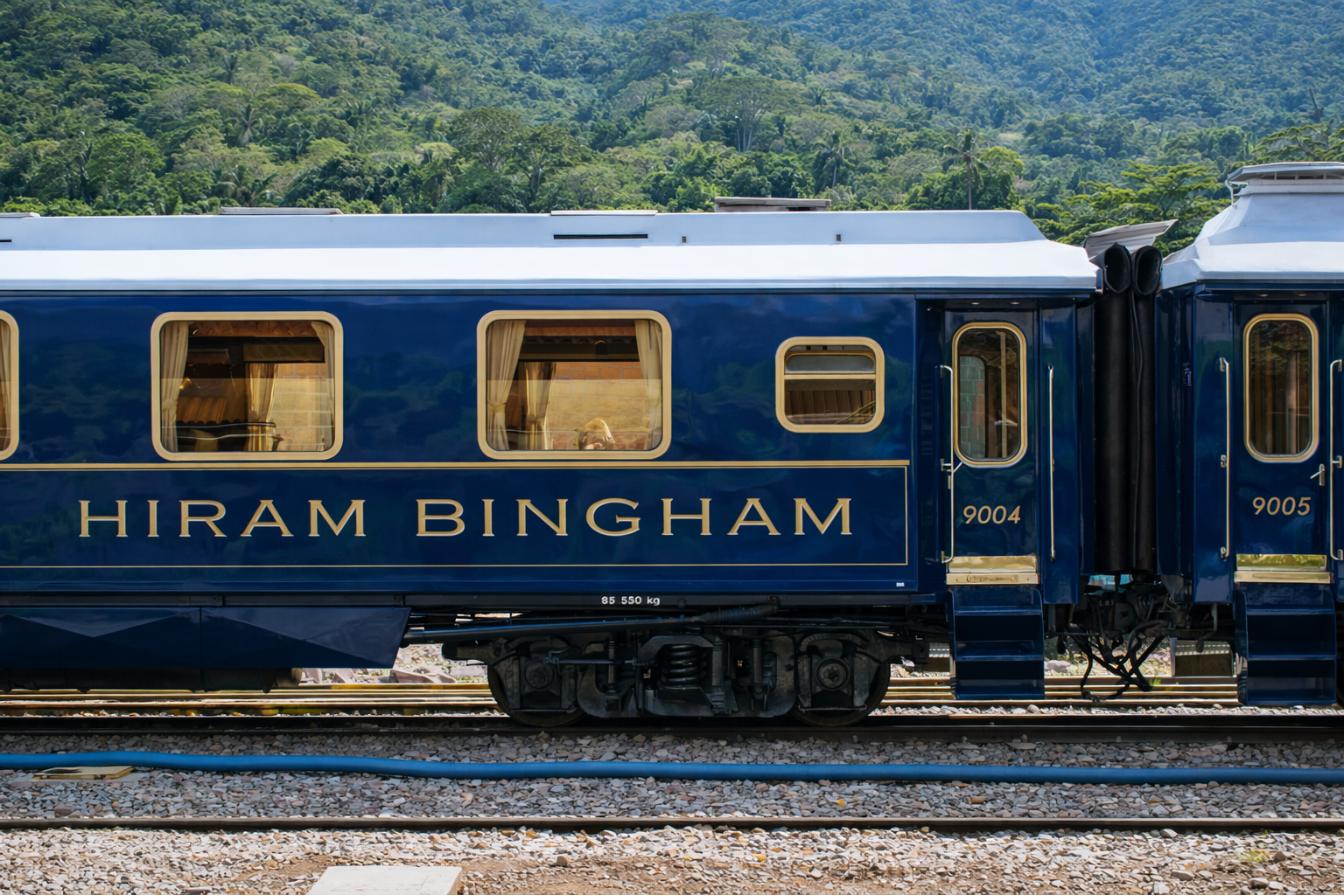
A round trip on the Hiram Bingham can cost more than a flight into Peru, and even the plain tourist trains feel steep for the distance. The reasons are mostly physical, not simple greed. Here is what you are actually paying for.
So why does PeruRail cost so much?
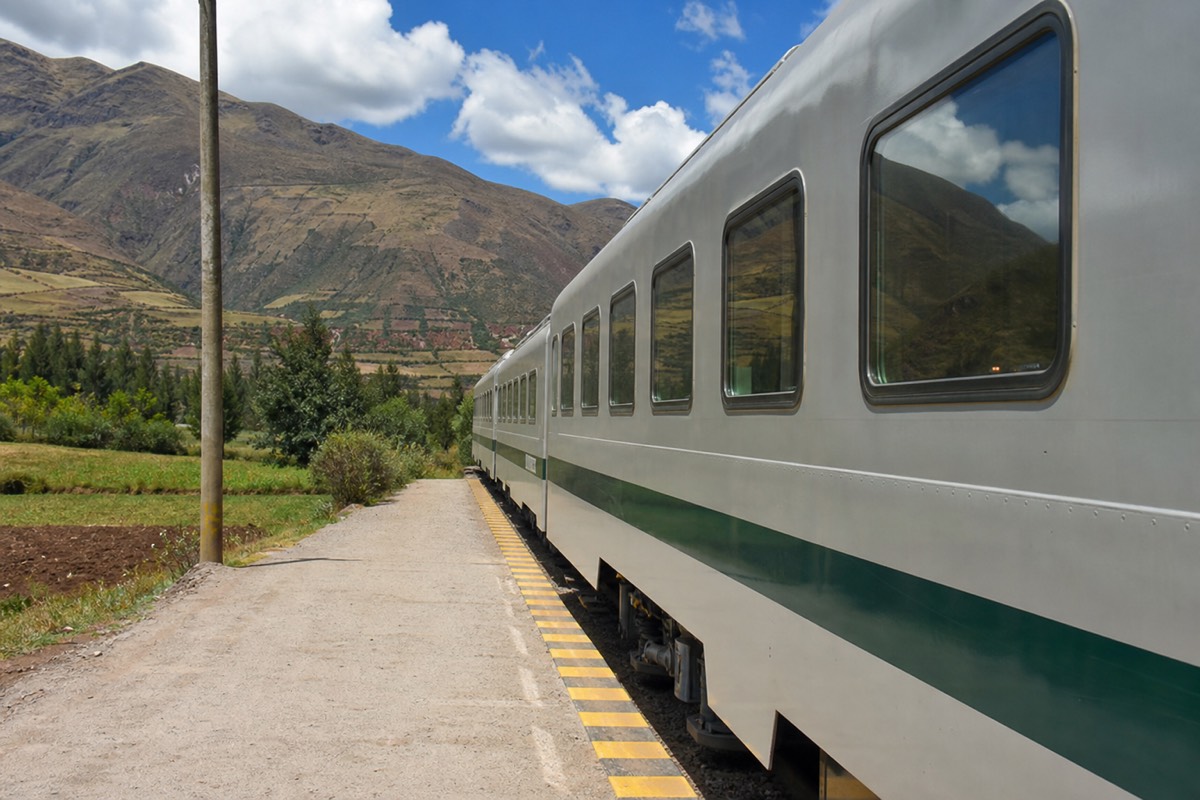
PeruRail is expensive because it runs a single-track, narrow-gauge mountain railway that is the only vehicle route into Machu Picchu short of a multi-day trek. High construction and maintenance costs on brutal terrain, tightly limited capacity, a hard cap on daily visitors, and a market with only two operators all push fares up. It is a genuine cost problem more than a pure markup.
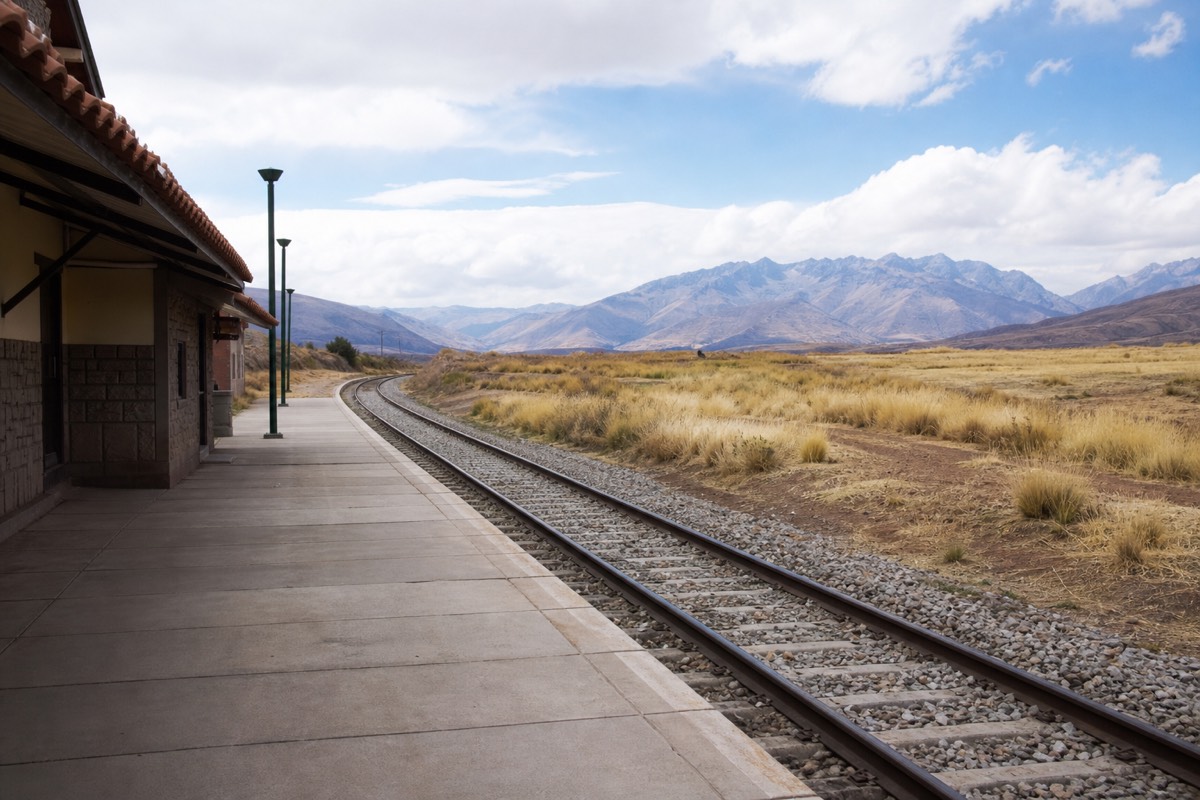
None of that makes a luxury ticket cheap to swallow. It does explain the number. The line to Machu Picchu is not a normal commuter railway that happens to charge tourist prices; it is a specialised piece of mountain infrastructure serving a place with no road. Almost every factor that sets the fare traces back to that one fact, and the rest of this piece works through them one at a time, with the real figures where they exist.
What makes a mountain railway this expensive to run?
The line to Aguas Calientes is a 914-millimetre narrow-gauge railway, single track, threading a steep river gorge that floods and slides in the rains. Track, bridges and slopes need constant maintenance. And because there is no road to the town, every rail, sleeper, fuel drum and food crate arrives on that same train, which loads cost straight onto the line.
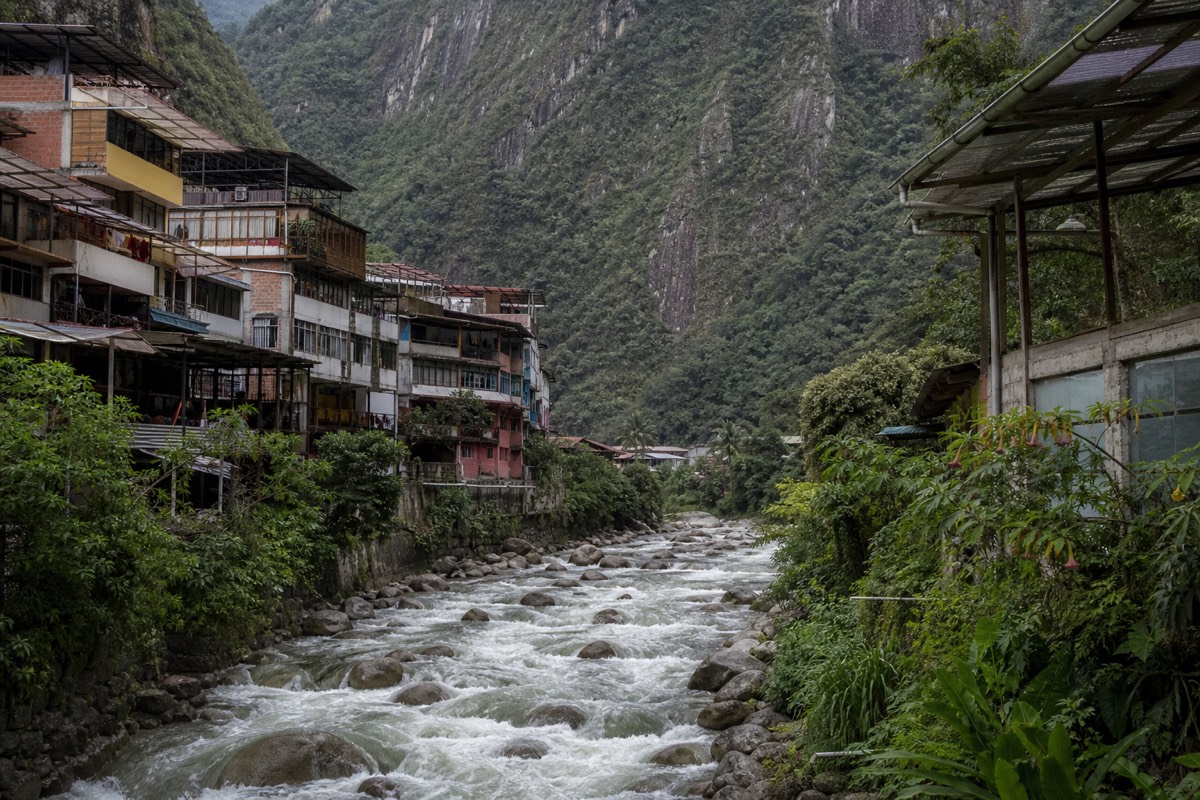
Wikipedia's technical overview of PeruRail lists the network as single track on the narrow 914-millimetre gauge, first operated from 1999, and that is the heart of it. A narrow-gauge line in the Andes carries less, moves slower and costs more per passenger than a wide, flat, double-tracked railway on easy ground. Aguas Calientes, the town at the foot of the citadel, has no road access at all: even the buses that grind up the switchbacks to the entrance were themselves delivered by rail. When a place can only be reached on rails, the rails carry the full weight of supplying it, and that weight shows up in the fare.
Then there is the terrain itself. The Urubamba gorge is geologically active, and the wettest months bring landslide and flood risk that closes or slows the upper stretch. PeruRail has suspended and later reinstated sections after weather damage more than once, and each repair is expensive work in a place heavy machinery cannot easily reach. A railway that has to be patched back together after bad rains is a railway with a maintenance bill baked into every ticket.
| Cost driver | Why it pushes fares up |
|---|---|
| Single-track, 914 mm narrow gauge | Less capacity and slower running than a wide, double-tracked line, so cost per seat runs high |
| Steep river gorge, flood and slide zone | Constant track, bridge and slope maintenance on unstable ground |
| No road to Aguas Calientes | Every rail, fuel drum and food crate for the town arrives by the same train |
| Timed passing slots | On one line, the timetable itself caps how many trains fit in a day |
| Capped daily visitors at the citadel | Limits how many seats can even be sold, whatever the demand |
| Only two operators | Limited price competition on a finite line |
Why can't they just add more trains and drop the price?
Capacity is capped by the track, not by demand. One largely single-track line can only fit so many timed paths a day before trains meet head-on. Add the daily visitor limit at Machu Picchu itself, and the number of seats is squeezed from both ends. Scarce seats against heavy demand keep prices high, whatever any operator would prefer.
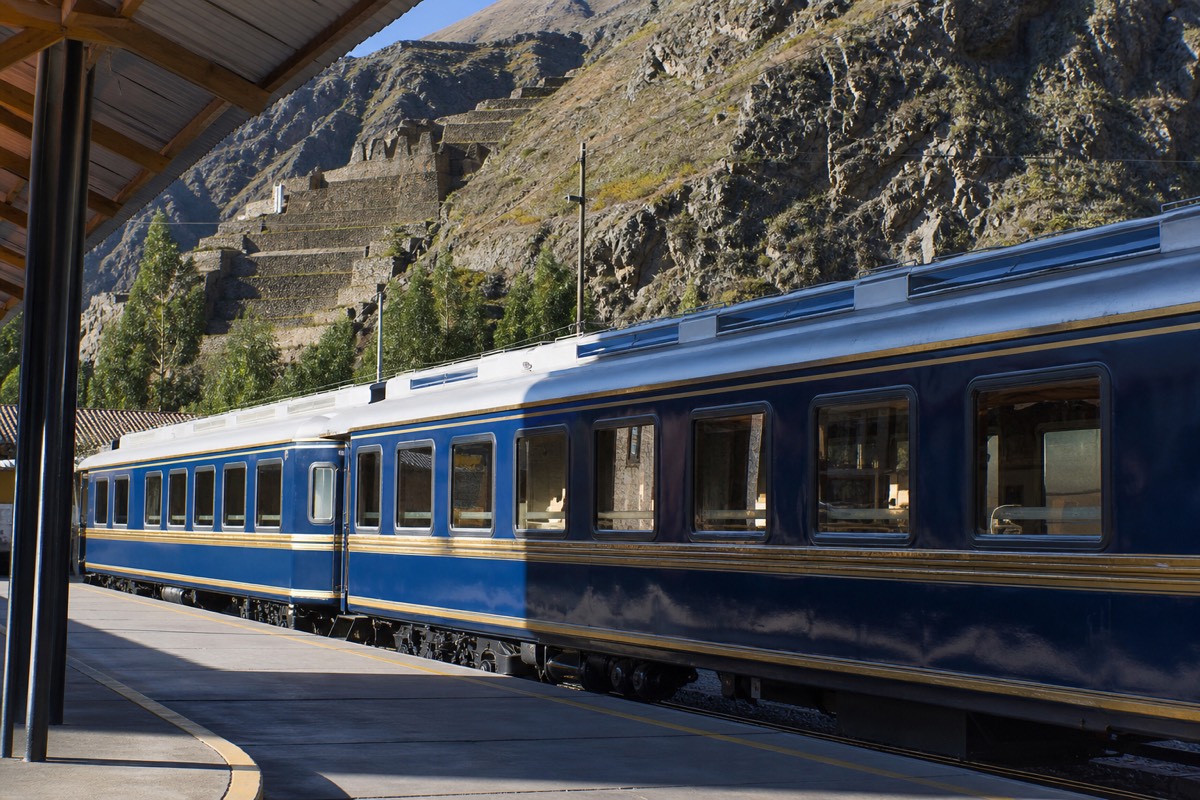
On a single-track railway, services cannot simply pile on. Each one needs a clear scheduled slot and a passing loop to let oncoming traffic through, so the timetable becomes a hard ceiling. That is before the state's cap on daily entries to the citadel, a World Heritage site whose visitor numbers are limited to protect it (whc.unesco.org). The cap keeps the entrance a scarce, dated resource, which in turn limits how many train seats can ever be useful on a given day.
The luxury service tightens the maths further. The Hiram Bingham carries only up to 84 passengers across four carriages, a fraction of what a packed daytime train moves, and it runs just a few days a week with one departure each way. Fewer seats, spread over fewer departures, on a line that cannot easily grow: that is the structural reason the top fare stays where it is. When you compare the trains, from the budget Expedition up through the Vistadome to the Hiram Bingham, they all draw their paths from the same constrained line.
| Constraint | The ceiling it sets |
|---|---|
| One largely single-track line | Trains must wait to pass; only so many paths per day |
| Daily entry cap at Machu Picchu | A hard state limit on visitors, whatever the demand |
| Hiram Bingham capacity | Up to 84 passengers across four carriages per departure |
| Luxury frequency | A few departures a week, one in each direction |
Why do foreigners and Peruvians pay such different fares?
There really are two fare worlds. A separate local train exists for Peruvian residents at a social fare of about 12 soles each way, a few US dollars, sold in person and sometimes standing-room. Tourists cannot use it and pay the tourist fares instead, which run from tens of dollars on the basic trains to four figures for a Hiram Bingham round trip.
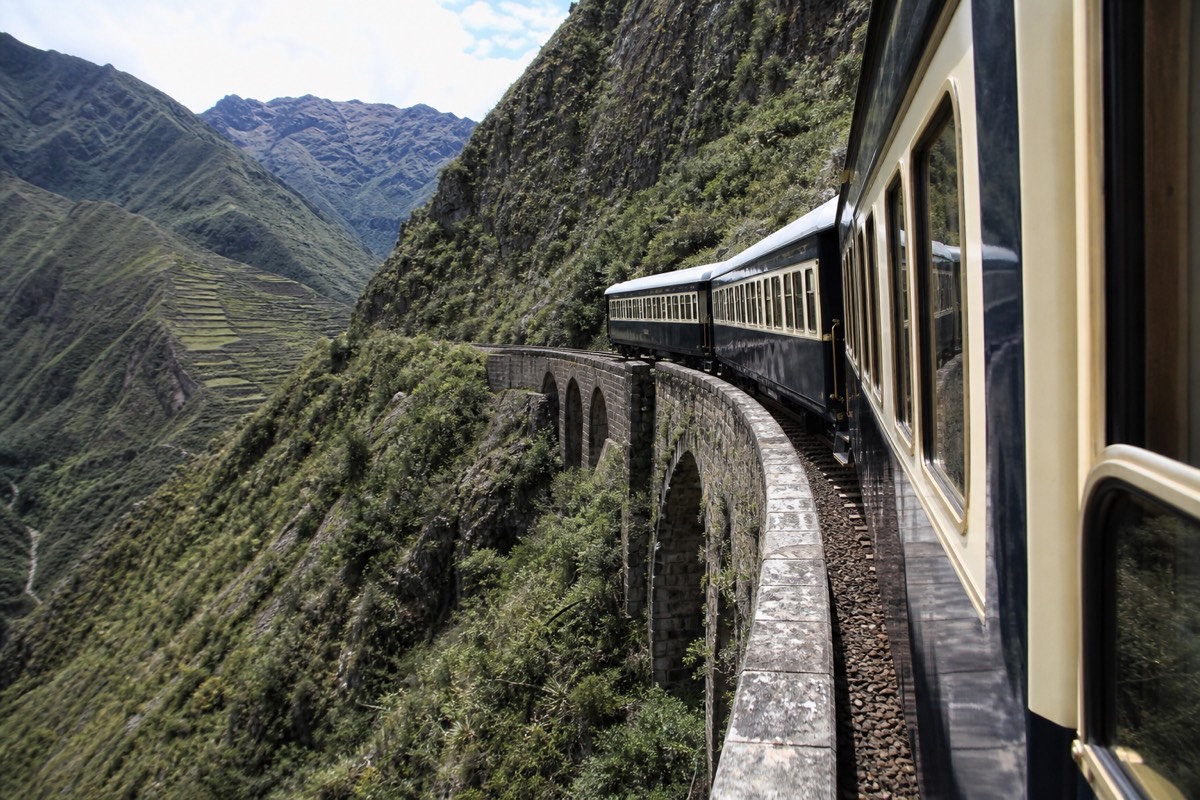
The gap looks jarring until you read the local train for what it is. It is a subsidised public service for people who live along the line, in Cusco, the Sacred Valley and beyond, not a discount tourists are being denied out of spite. The tickets are sold only in person, a few days ahead, and the carriages are basic. Treating that 12-sol fare as the "real" price the railway could charge everyone misreads it: strip the subsidy and the social service disappears.
| Fare world | Who it is for | Roughly | How it is sold |
|---|---|---|---|
| Resident social fare (tren local) | Peruvian residents only | ~12 soles each way (~24 round trip) | In person only, a few days ahead, sometimes standing |
| Tourist fares | Everyone else | ~$72 to $1,200+ depending on class | Online, by service and season |
So the dual pricing is not proof of gouging by itself. It is a state-backed social fare sitting alongside a commercial tourist fare, common on infrastructure a government wants residents to keep affordable. The tourist fare is where the railway earns its keep, and the reasons it sits so high are the physical ones above, not the existence of a cheaper resident train.
Peru is not unusual in running a split like this. Plenty of countries price national infrastructure and heritage sites lower for residents than for foreign visitors, on the logic that locals fund the system through taxes and use it for daily life rather than a one-off holiday. The train is a sharper version of the same idea, because the residents' service is a genuinely separate, stripped-back train rather than a discount code applied to the tourist one. Read that way, the two fares answer two different needs; they are not competing for the same seat.
What do the different tourist services actually cost?
The tourist ladder runs from the basic Expedition at roughly $72 to $82 each way, to the panoramic Vistadome around $95 to $122, up to the Hiram Bingham near $500 to $660 one way and $1,000 to $1,200 or more round trip. Each step up buys more space, better food and, at the top, an all-inclusive day rather than a seat.
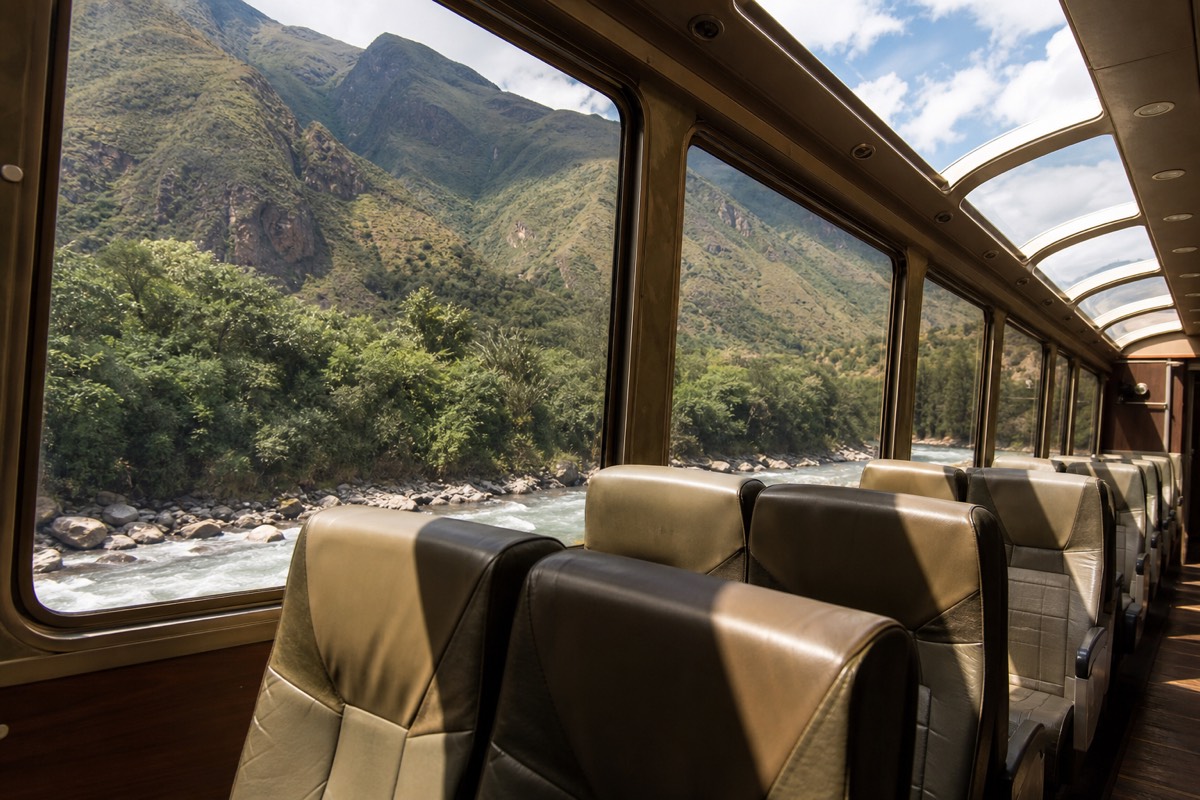
The jump from Vistadome to Hiram Bingham is the one that startles people, and it is not a small change in degree. The Expedition and Vistadome are daytime trains that carry you and a snack. The Hiram Bingham is a restored Pullman-style service with dining cars, an open bar, live music, and a fare that folds in the bus up to the citadel, a guide and the transfers. You are no longer paying for distance; you are paying for a day.
| Service | Roughly per leg | What the fare buys |
|---|---|---|
| Expedition | ~$72 to $82 | Comfortable seat, big windows, a light snack |
| Vistadome | ~$95 to $122 | Glass-roof panoramic carriage, snack, music on the return |
| Hiram Bingham | ~$500 to $660 | Full meals, open bar, live music, bus, guide and transfers |
Those are reference ranges, not fixed quotes; fares move with season and demand, and PeruRail adjusted its prices across services for 2026. If you want the top fare taken apart properly, the cost of the Hiram Bingham ticket is broken down line by line elsewhere on this site, and the short version of how much the train costs sits right alongside it.
How does that compare with the world's great scenic railways?
Set against other flagship scenic trains, the Hiram Bingham is expensive but not a freak. Switzerland's Glacier Express runs about CHF 210 in second class and past CHF 800 in its top Excellence Class for one eight-hour journey. Canada's Rocky Mountaineer starts near CA$2,300 and climbs past CA$3,100 over two days. The Hiram Bingham's four-figure round trip sits inside that company.
The comparison is worth making because it reframes the sticker shock. A one-way Hiram Bingham fare near $500 to $660 buys a three-and-a-half-hour luxury journey with a full meal and a bar; Glacier Express Excellence, at roughly $900, buys eight hours and a meal but no wonder of the world at the end. Per hour aboard, the Peruvian train is not the outlier it first looks, and its round trip lands between the Swiss flagship and the two-day Canadian one.
| Railway | Where | Flagship fare, one journey | Length |
|---|---|---|---|
| Hiram Bingham | Peru | ~$500 to $660 one way; ~$1,000 to $1,200+ round trip | About 3.5 hours each way |
| Glacier Express, 2nd class | Switzerland | ~CHF 210, roughly $240 | About 8 hours, 300 km |
| Glacier Express, Excellence Class | Switzerland | ~CHF 800+, roughly $900 | About 8 hours, 300 km |
| Rocky Mountaineer, GoldLeaf | Canada | ~CA$3,100, roughly $2,250 | Two days with a hotel night |
Where the Hiram Bingham does stand apart is the captive route. The Glacier Express shares Switzerland with roads, buses and a dense rail network, so you ride it because you want to, not because it is the only way through. The train to Machu Picchu has no such competition on the ground, and that scarcity, more than the linen and the cocktails, is what holds the floor under every fare on the line.
There is one more twist that flatters the Peruvian train in this comparison. The Glacier Express and Rocky Mountaineer figures above are largely fare and seat, with food and any touring extra or only partly covered. A Hiram Bingham round trip already carries full meals, an open bar, the bus, a guide and the transfers, so far more of the day is paid for inside the ticket. Line up like with like, meal for meal and service for service, and the gap to the world's other flagship trains narrows again.
Is it really a monopoly?
Close to it, but not quite. Two operators run tourist trains to Machu Picchu: PeruRail, working since 1999, and Inca Rail, which launched in 2009 to break the earlier single-operator hold. Two firms sharing one constrained line is a duopoly, not open competition, and limited rivalry over scarce paths keeps prices firm at the top.
It is fair to be precise here rather than cynical. PeruRail operates as a joint venture involving Belmond, the company behind the Hiram Bingham, while Inca Rail is a genuinely separate competitor under different ownership, so the "one secret owner" story you sometimes read online is not accurate. What is true is that only two companies can run on a single mountain line with finite slots, which naturally caps how far either will undercut the other. At the luxury end there is no contest at all, since the Hiram Bingham has no direct Inca Rail equivalent to compete on price.
If you are weighing your train options from Cusco to Machu Picchu, that structure is the backdrop to every fare you will see. Our team at Hiram Bingham Train Tickets books the luxury service on the operator's own listing, where the current price, seats and cancellation terms are shown in full. Two operators beats one, and Inca Rail's arrival did widen choice on the daytime trains, but neither the track nor the visitor cap moved, so the ceiling on capacity and the floor under prices both stayed put.
Is PeruRail worth the money?
For the basic trains, yes, without much debate: they do the transport job for a fair price given the terrain. For the Hiram Bingham, it depends entirely on what you want. If the journey is meant to be the experience, the meals, the bar and the handled logistics justify the premium. If you only need to arrive, the cheaper trains reach the same ruins.
The honest way to judge it is to separate the two things you are buying: transport, and an occasion. Every train delivers the transport. Only the Hiram Bingham sells the occasion, and it is priced accordingly. Travellers marking an anniversary or a once-in-a-lifetime Peru trip tend to feel it was worth it; travellers counting the cost of simply reaching the citadel almost always do better on a daytime service, especially on a day trip to Machu Picchu from Cusco. If a middle path appeals, it is worth asking whether the panoramic train is worth it, since the Vistadome lifts the ride well above the basic seat without the luxury bill.
Whatever you decide, the price is not arbitrary. A single-track railway on unstable ground, no road to resupply the town, a hard cap on visitors, and only two operators together set a high floor that no amount of competition is likely to break. Booking early for the class you want is the realistic way to control what you pay, since the mountain sets the price and demand does the rest. The best time to visit Machu Picchu, the dry months with the clearest skies, is also the priciest and the first to sell out, so plan the date as carefully as the budget and give yourself time to acclimatise to the altitude in Cusco before you climb higher.