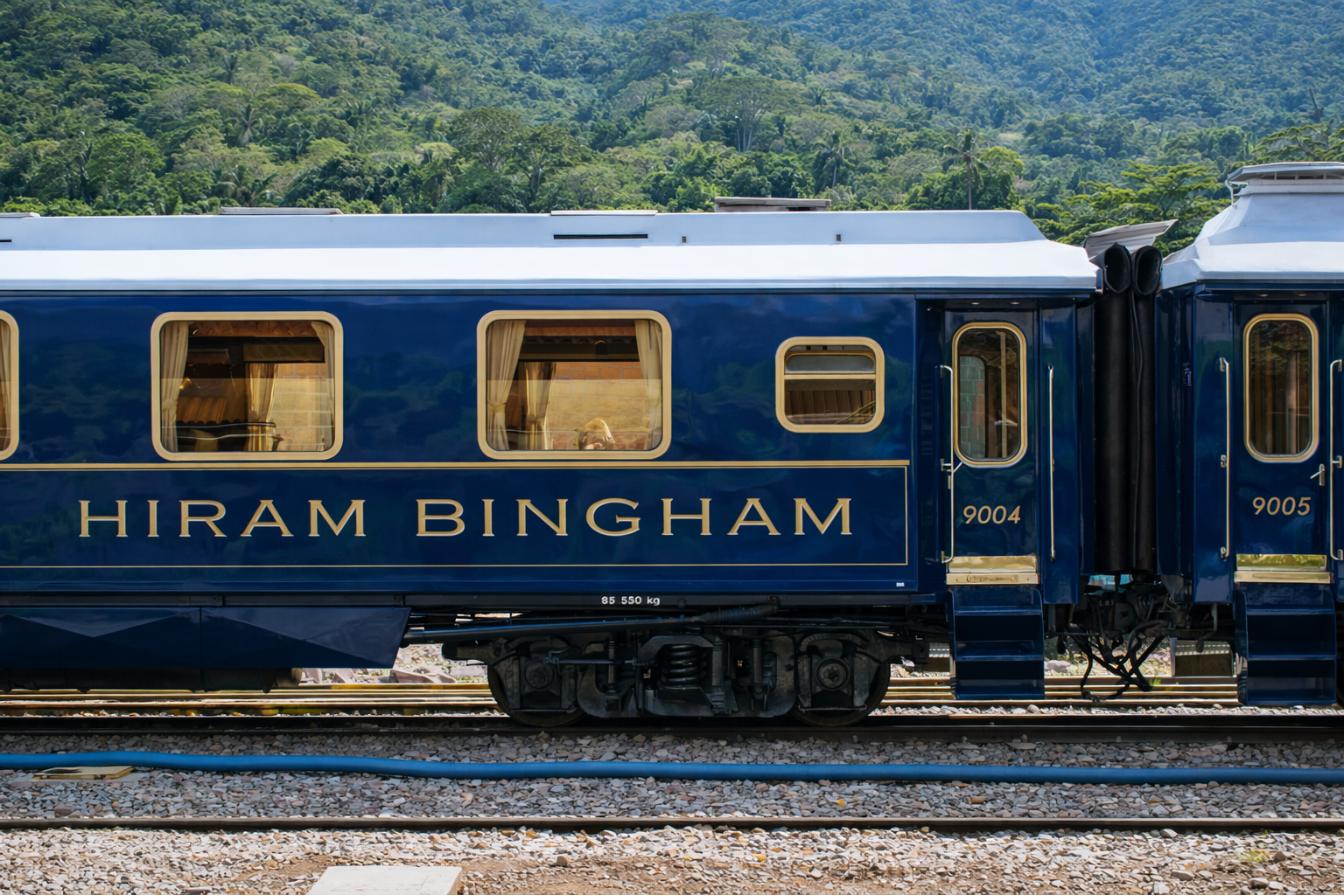
Best Time to Visit Machu Picchu (and Ride the Hiram Bingham) (2026)
The weather, the crowds and the train timetable rarely peak at the same moment. This guide lines all three up, month by month, so you can pick a date that suits both Machu Picchu and the Hiram Bingham's fixed weekly schedule.
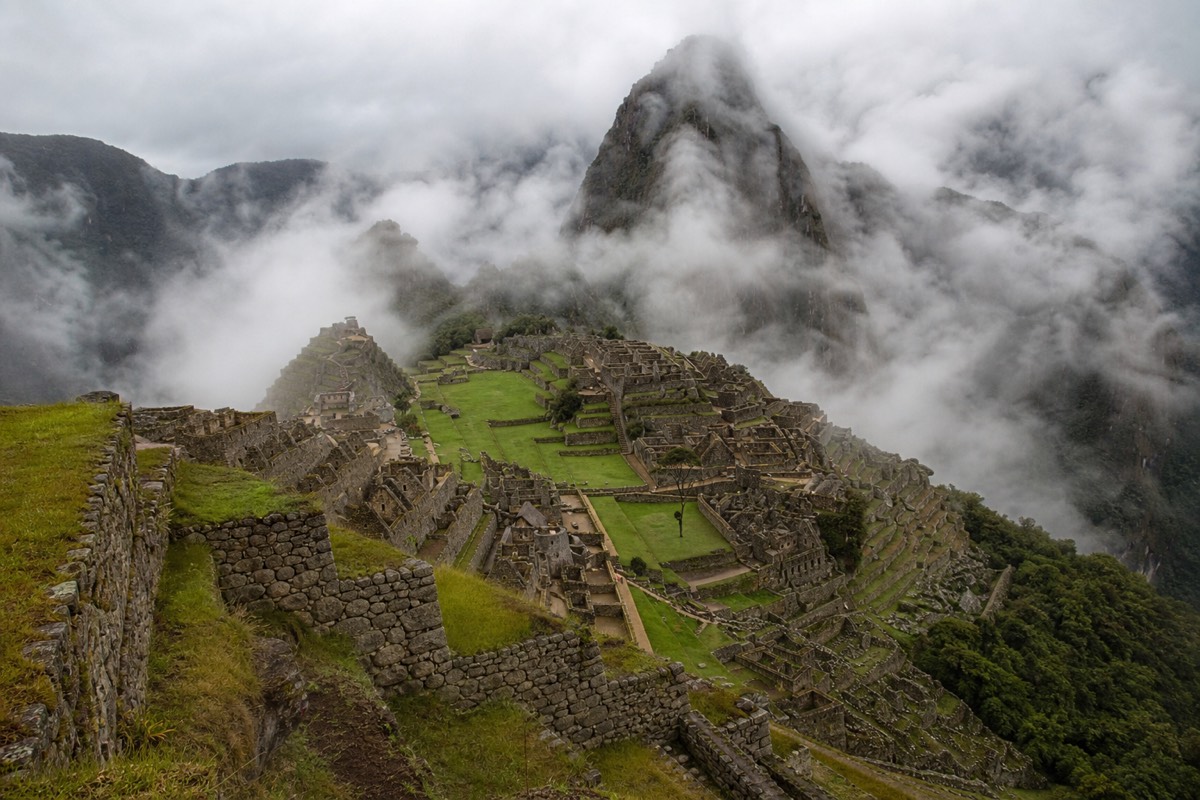
When is the best time to visit Machu Picchu?
The best window is the dry season, roughly May through September, when mornings are clear and the ruins photograph well. April and October are the shoulder sweet spots: nearly dry, noticeably quieter, often cheaper. The wettest, cloudiest stretch runs December to March, and February is the one month to think hardest about before you commit.
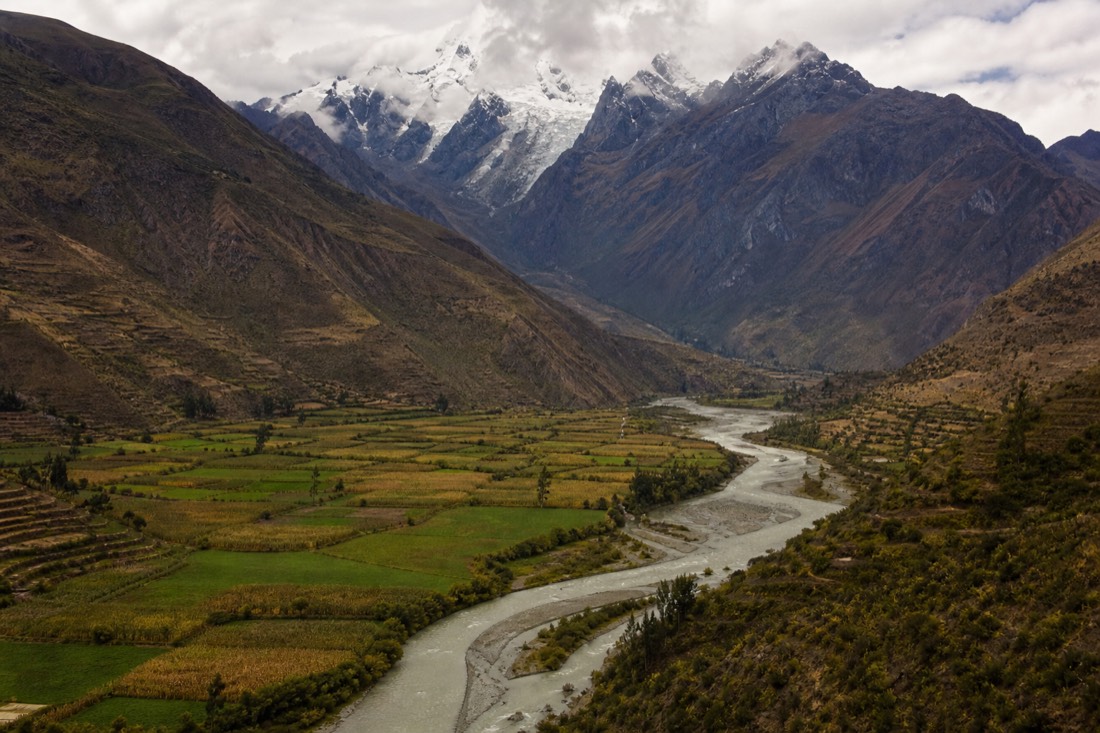
Machu Picchu sits in a cloud forest, so there is no month with a guarantee of blue sky. Even in bone-dry July a bank of mist can roll across the terraces at eight in the morning and lift by ten. What the dry season buys you is the odds: clear sunrises far more often, firmer footing on the stone stairs, and rivers that run lower and calmer down in the valley.
There is a second timetable most planners forget. The luxury train does not run daily, so your ideal month still has to contain a day the service actually departs. Before you lock a date, look at both the weather and the train calendar together, and skim the wider train options from Cusco to Machu Picchu so you know which service you want on which leg.
Dry season or wet season: what actually changes?
Six things move with the seasons: rainfall, sky clarity, crowd size, price, train reliability, and whether the classic trek is even open. The dry season wins on clear photos and stable travel; the wet season wins on price, solitude and vivid green scenery. Neither is wrong, they simply suit different travellers.
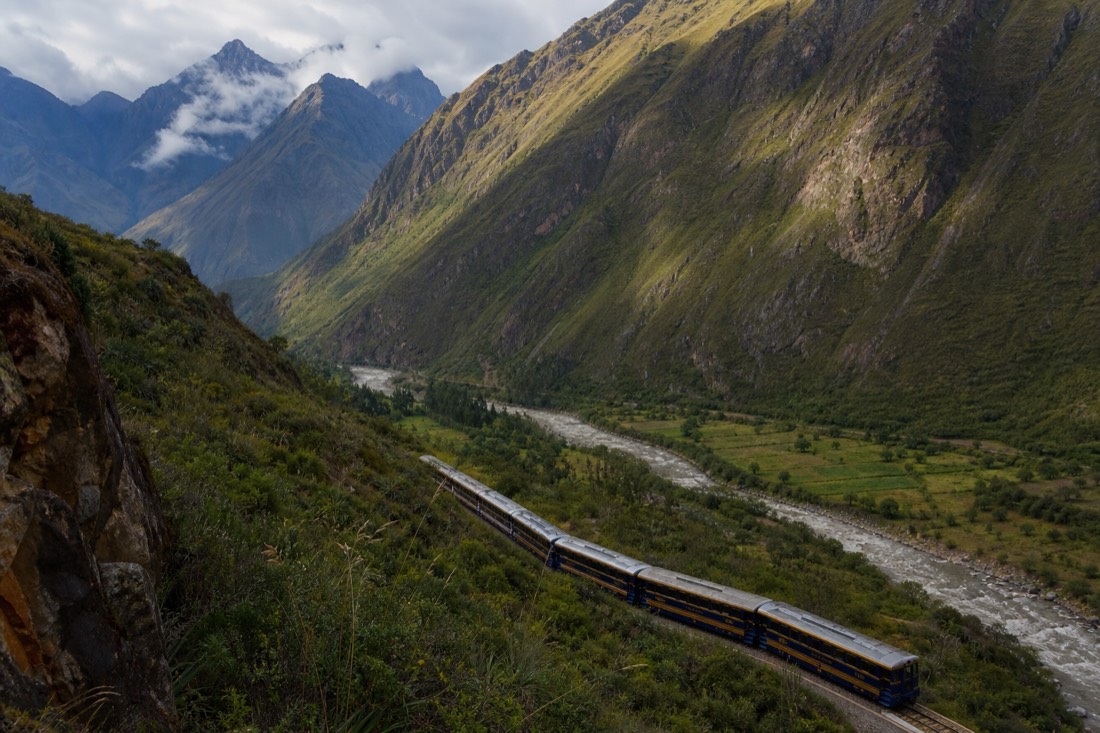
The single hard closure to plan around: the Inca Trail shuts for all of February every year for maintenance. The citadel itself stays open, and you can still reach it by train.
Here is the trade-off laid out side by side, so you can see which column matches the trip you actually want.
| Factor | Dry season (May to Sep) | Wet season (Oct to Apr) |
|---|---|---|
| Rainfall | Light, brief showers possible | Frequent, heaviest January to March |
| Skies and photos | Clear mornings, classic postcard views | Cloud and mist, lush green, moody shots |
| Crowds | High, peak June to August | Lower, quietest around February |
| Prices | Higher, book well ahead | Lower, more last-minute availability |
| Train reliability | Most stable all year | Occasional storm suspensions; bimodal bus-plus-train January to April |
| Inca Trail | Open (bar any short maintenance) | Closed all February |
| Best for | Sunrise photos and hikers | Value, solitude and green scenery |
The wet season is not a washout. Rain tends to fall in heavy afternoon bursts rather than all-day drizzle, so a morning citadel visit often stays dry. What you are really betting on in December through March is the valley behaving: heavy storms can put rock on the line, which is a train question as much as a weather one.
What does each month look like? A month-by-month scorecard
June and July are the driest and clearest, and also the busiest and dearest. February is the cheapest and emptiest, and the wettest. May, September, April and October sit in the useful middle, dry enough for good weather with a fraction of the peak-season queue. Match the row to what you care about most.
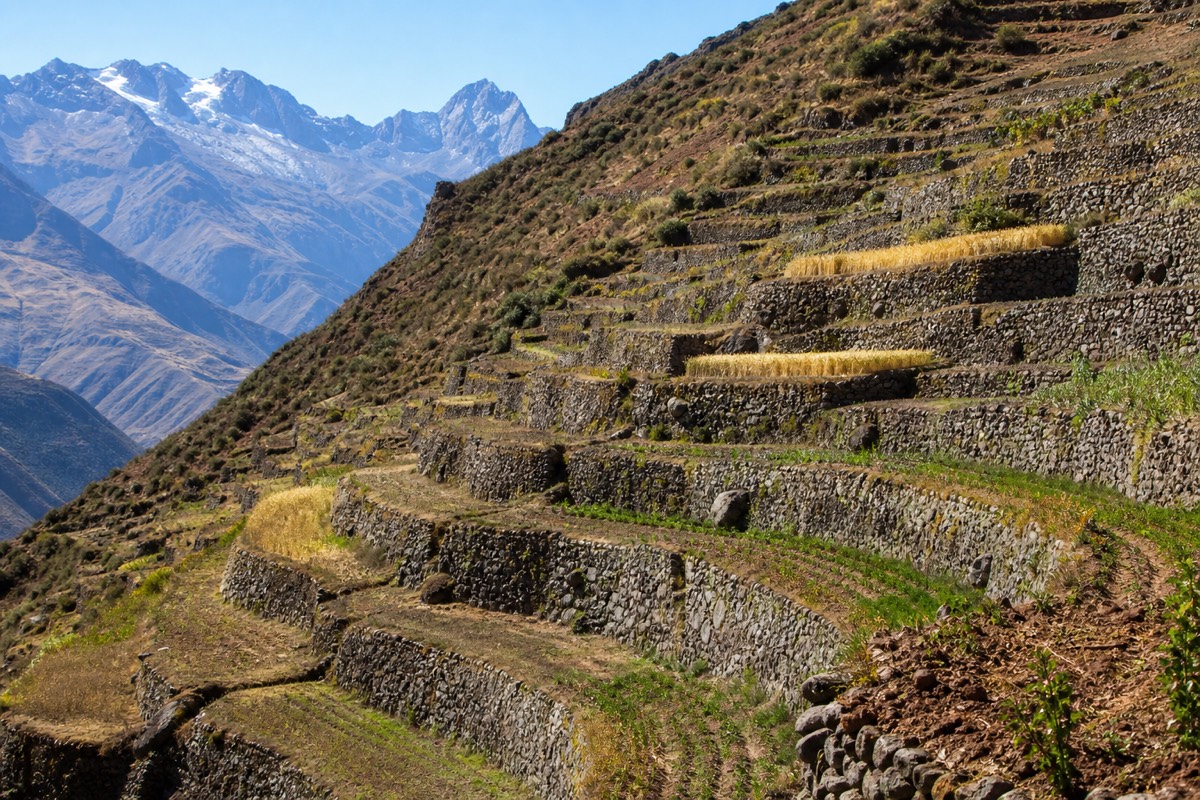
Rain and temperature figures below are typical, not promises, and describe the citadel and Aguas Calientes, which sit lower and warmer than Cusco. Read the verdict column as a quick gut-check, then confirm against your own dates and the train calendar.
| Month | Rain | Crowds | Price | Photo conditions | Verdict |
|---|---|---|---|---|---|
| January | High | Low to medium | Low | Green, moody, frequent cloud | Green and cheap, pack for wet |
| February | Highest | Lowest | Lowest | Cloudy, dramatic | Cheapest, but Inca Trail shut and disruption most likely |
| March | High, easing | Low | Low | Lush, clearing late | Quiet and green as the rain tapers |
| April | Moderate, drying | Medium | Medium | Green hills, clearer skies | Shoulder sweet spot, landscape at its greenest |
| May | Low | Medium to high | Medium to high | Clear, still green | Arguably the best all-rounder |
| June | Very low | High | High | Clear sunrise skies | Peak dry, peak crowds, Inti Raymi on the 24th |
| July | Very low | Highest | Highest | Bright and clear | Driest and busiest, book far ahead |
| August | Low | Highest | Highest | Clear, some afternoon cloud | Peak season continues |
| September | Low, rising late | Medium to high | Medium to high | Clear, warming | Excellent, crowds thinning |
| October | Moderate, rising | Medium | Medium | Mostly clear, greening | Second shoulder sweet spot |
| November | Moderate to high | Low to medium | Low to medium | Variable, greening | Quiet value before the rains build |
| December | High | Medium, holiday spike | Medium | Green, cloudy | Wet, with a Christmas and New Year blip |
Two numbers anchor the extremes. June is often the driest month of the year, with clear mornings that give you the classic sunrise over the terraces. February brings the heaviest rain and, with it, the highest odds of a valley landslide nudging the train timetable. Everything else falls between those poles.
Which months are the shoulder-season sweet spots?
April and October are the standout shoulders: the rain has either just faded or not yet returned in force, the hills are green, and crowds sit well below the June-to-August wall. May and September are the quieter edges of the dry season, still reliably clear but starting to fill. Any of the four gives you most of the dry-season upside for less money and hassle.
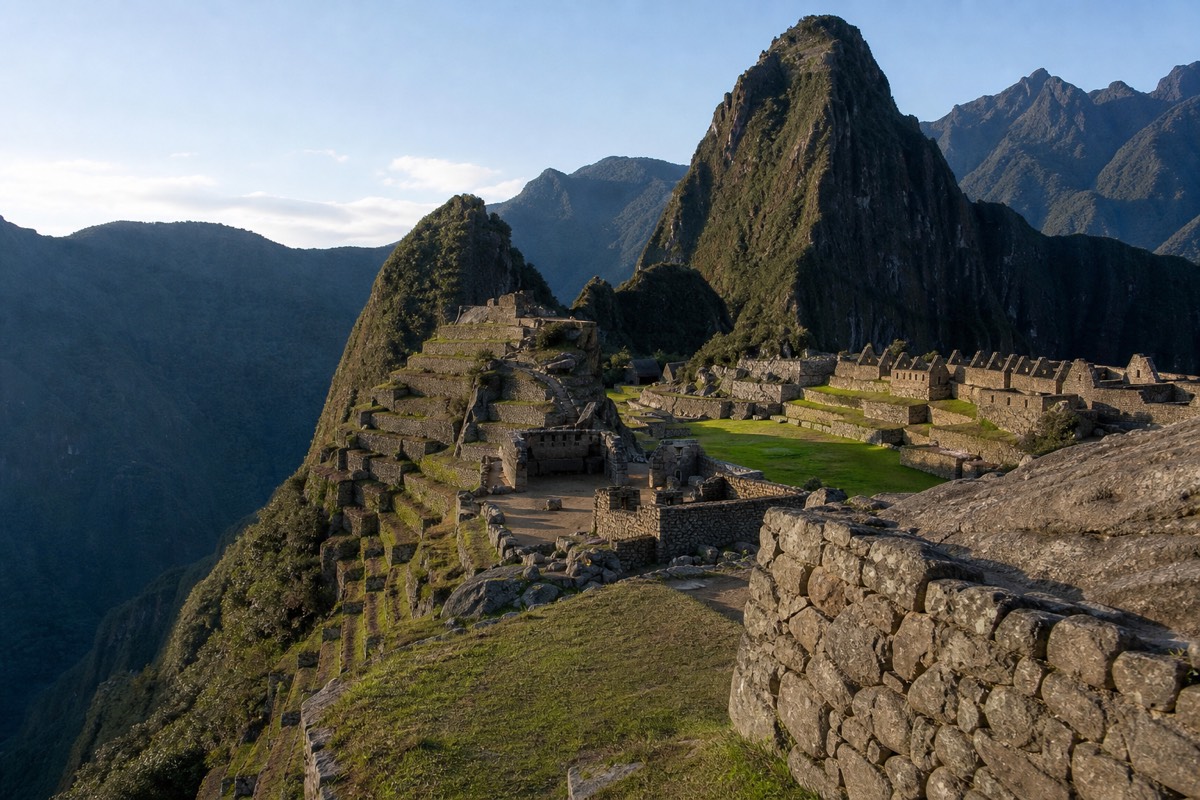
If you want one word for each: April is greenest, May is most reliable, September is warmest, October is the last easy window before the wet season builds. They also tend to have better hotel and seat availability, which matters when the luxury train runs only a few days a week.
| Month | Weather feel | Crowds | Price | Watch-outs |
|---|---|---|---|---|
| April | Drying out, vivid green | Moderate | Moderate | Tail-end showers; Easter week can spike crowds and rates |
| May | Clear and mild, still green | Building | Building | Seats and rooms fill fast as peak begins |
| September | Clear, warming up | Easing from peak | Easing | Occasional dusty, breezy afternoons |
| October | Mostly dry, first showers return | Moderate | Moderate | Rain builds through the month's end |
For a first visit where you want good photos without the peak-season scrum, May and September are hard to beat. If the budget is tighter and you do not mind a passing shower, April and October stretch your money further. All four pair nicely with a slower day, so read up on the day trip to Machu Picchu from Cusco if you are tempted to squeeze it into a single push.
How busy does Machu Picchu get, month by month?
Crowds track two things: the dry season and the calendar of festivals and holidays. June through August is the sustained peak, when the daily entry cap fills and the citadel feels its most crowded. February is the emptiest. On top of that baseline, a handful of dates, Inti Raymi in June and the national holidays in late July above all, spike demand hard even in an otherwise ordinary week.
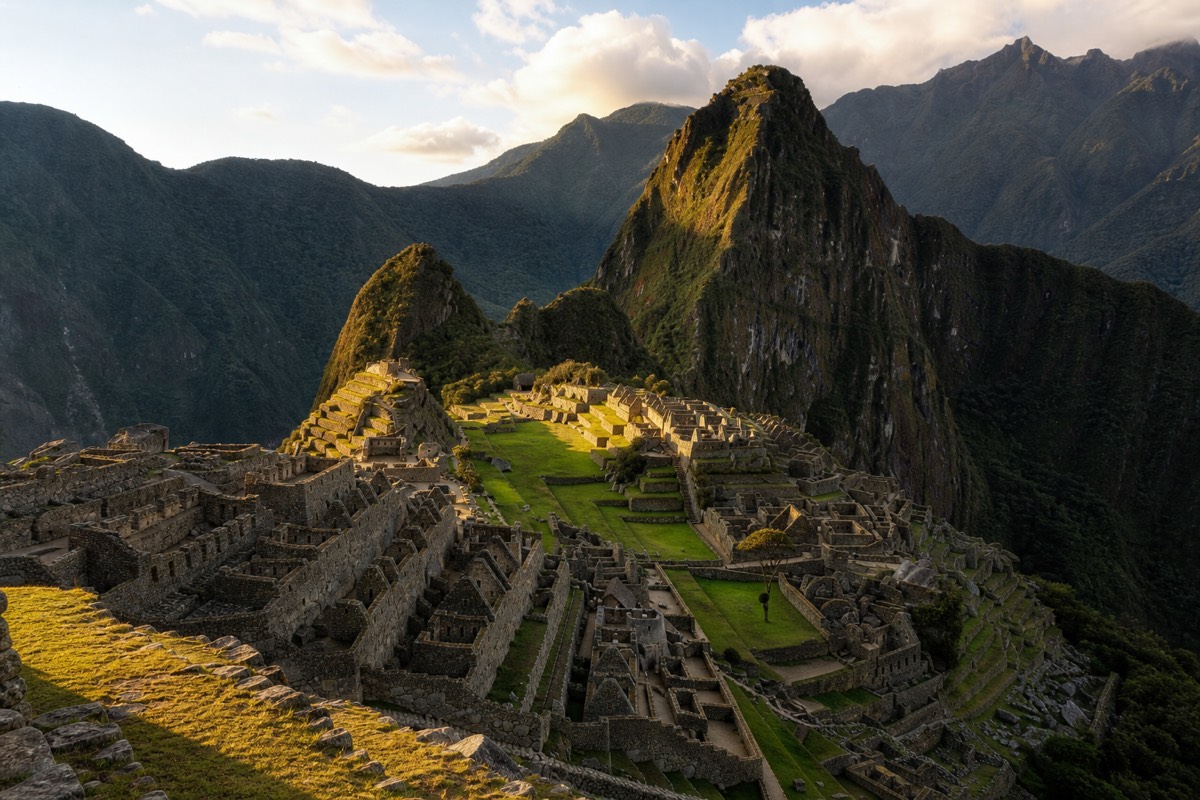
Machu Picchu limits how many people enter each day and sells entry by timed circuit, so the site never feels as heaving as raw visitor numbers suggest. What fills first is the popular late-morning slots and, separately, the luxury train's limited seats. The table below is about what drives the crowd, not just its size.
| Month | Crowd level | Main driver |
|---|---|---|
| January | Low to medium | Wet season keeps numbers down; a New Year bump early |
| February | Lowest | Wettest month, Inca Trail closed |
| March | Low | Rain still deters most travellers |
| April | Moderate | Weather improving; Semana Santa (Easter) can spike |
| May | Building | Dry season begins, dependable weather |
| June | High | Peak dry season plus Inti Raymi on the 24th |
| July | Highest | School holidays and Fiestas Patrias on the 28th and 29th |
| August | Highest | Northern-hemisphere summer holidays |
| September | Easing | Weather still good, holiday crowds gone |
| October | Moderate | Shoulder demand before the rains |
| November | Low to medium | Rains building, fewer visitors |
| December | Medium | Wet, with a Christmas and New Year spike |
If your only goal is an empty-feeling citadel, aim for the wet-season weekdays and accept the cloud. If you want the dry weather but hate queues, the shoulder months are the compromise, and an early-morning entry slot thins any crowd further whatever the month.
What does the rainy season really mean for the train and the citadel?
Two different things. At the citadel, the wet season means cloud, green terraces and short heavy downpours, an atmosphere many travellers love. On the railway, it means real logistics: the classic trek closes for all of February, PeruRail runs a bus-plus-train service out of Cusco from January through April, and heavy storms can suspend trains for a day or two when rock or mud reaches the line.
None of this shuts Machu Picchu. The citadel is open every day of the year, February included. What changes is how you get there and how much slack you should build into the plan. The single most important habit for a wet-season trip is a spare day in Cusco or the Sacred Valley, so a 24 to 48 hour rail pause does not cost you the whole reason you came.
| Period | What happens | Effect on your trip |
|---|---|---|
| All February | Inca Trail closed for annual maintenance | No classic trek; reach the citadel by train instead, in the wettest weather |
| January 1 to April 30 | Bimodal bus-plus-train from Cusco | Your Cusco leg may be a coach to a valley station, then the train; confirm your departure point |
| December to March | Landslide and rockfall suspensions possible | Occasional 24 to 48 hour service pauses; keep a buffer day |
| June 24 | Inti Raymi festival in Cusco | Cusco packed and hotels dear; a great spectacle, but book everything early |
| July 28 to 29 | Fiestas Patrias (national holidays) | Peruvian domestic travel peaks; trains and the site are busy |
| March or April (movable) | Semana Santa, Holy Week | Regional crowds and higher prices around Easter |
The cloud is not the enemy of a good visit. Some of the most memorable views come when mist parts over Huayna Picchu and the terraces glow wet-green. But if you are set on the crisp, blue-sky photo, that is a dry-season shot, and it steers most first-timers toward May through September. When you settle on tickets, read up on which circuit to book, because the route you choose shapes what the weather does to your photos.
How does the Hiram Bingham's schedule fit your dates?
The luxury train runs only three to four days a week, most commonly Monday, Wednesday, Friday and Saturday, with a single departure in each direction per day. So the real planning question is not just which month, but which day within it. Pick a date that falls on a service day, confirm the departure station for your season, then book, because the limited seats sell out long before the daytime trains do.
Departure point shifts with the calendar. In the drier months the train usually boards at Poroy on the edge of Cusco, a ride of about three and a half hours each way. From roughly January to April, PeruRail leans on a bimodal arrangement: a coach from Cusco to a Sacred Valley station, then the train from there. If you have your heart set on boarding near Cusco, check the split between the Poroy and Ollantaytambo stations for your travel dates. The details sit on PeruRail's official site, and the operator's own timetable is the last word on which days run in any given month.
| Consideration | What to know |
|---|---|
| Days it runs | Usually 3 to 4 per week, often Monday, Wednesday, Friday, Saturday; verify for your dates |
| Departures per day | One each direction: morning outbound, late-afternoon return |
| Departure station | Poroy near Cusco in drier months; often Ollantaytambo, with a bimodal leg, January to April |
| Booking lead time | 2 to 4 months in peak, 4 to 8 weeks in shoulder, a few weeks in low season |
| If your date has no train | Shift a day either side, or ride a daytime service one way and save the luxury train for the leg you most want |
Because there is one departure each way, the classic plan is outbound in the morning for brunch and the guided visit, then the late-afternoon return. If your chosen day has no luxury service, you have two clean options: move your visit by a day, or compare the trains and take the Vistadome one way. Belmond publishes the current experience and calendar on its Hiram Bingham page, worth a look once you have a shortlist of dates.
What will the trip cost across the year?
The luxury train is a fixed premium, not a seasonal bargain, so the month you pick moves hotels and daytime fares far more than it moves the Hiram Bingham price. The full-day bundle runs around $1,580 per person and folds in the entrance ticket, guide and transfers; the bare train fare and the site entrance are separate line items if you build the day yourself. Always treat any figure as a starting point and check the live price for your date.
To keep the pieces straight: the roughly $1,580 bundle covers round-trip travel, onboard dining, the Machu Picchu entrance, an English-speaking guide and transfers. Booked on its own, a round-trip Hiram Bingham fare tends to land near $1,000 to $1,200 or more, with one-way figures circulating around $500 to $660. The Machu Picchu entrance itself is about 152 soles, roughly $40, for a foreign adult on a standard circuit, with mountain add-ons closer to 200 soles. For the full picture of what sits inside the premium, read the fare breakdown, and if the number makes you wince, the piece on why PeruRail is so expensive explains where the money goes.
Seasonally, the swing you feel most is lodging. Cusco room rates jump around Inti Raymi in late June and the national holidays in late July, and slide to their lowest in the wet months. If the budget is the deciding factor, a green-season weekday trip is the cheapest version of this journey, provided you keep a buffer day for the weather.
Who should go when?
Match the season to what you are optimising for. Chasing the crisp classic photo means June to August. Dodging crowds means April, May, September or October. Stretching a budget means the green months of November, early December or March. Trekking the classic trail means the dry season and never February. The luxury train works in every one of these windows, as long as your date lands on a service day.
Altitude is the one thing that ignores the calendar. Cusco sits near 3,399 metres, and the first day or two can flatten anyone regardless of season, so give yourself time to acclimatise before you travel down to the train. If the thin air worries you, read up on altitude sickness in Cusco and how travellers handle soroche, then plan a gentle first day. Budget-minded travellers with extra time sometimes build that buffer into the journey itself, riding overland from Lima to Cusco on a pass like Peru Hop (check prices here) rather than flying straight in, which turns the acclimatisation days into sightseeing along the way instead of downtime in a hotel room.
| Traveller | Best window | Why |
|---|---|---|
| First-timer chasing the classic clear photo | June to August | Driest skies, reliable sunrise views |
| Crowd-avoider | April, May, September, October | Dry-ish weather with a fraction of the queue |
| Budget-minded | November to early December, or March | Lowest prices, landscape at its greenest |
| Classic-trail hiker | May to September (never February) | Trail open and driest; it closes all February |
| Family on school holidays | July to August | Fits the calendar; book months ahead |
| Honeymoon or slow luxury | May or September | Peak scenery without the peak-of-peak crowds |
Whatever month wins, the sequence is the same: choose your dates around a day the luxury train runs, sort your Machu Picchu entrance tickets and circuit, then leave a spare day for altitude and, in the wet season, for the weather. Get those three right and the rest of the trip tends to fall into place.
For the full picture on riding the luxury train to Machu Picchu, start with Hiram Bingham Train Tickets.