Cusco Altitude Sickness: What to Know Before Machu Picchu
Most travellers feel the altitude in their first hours in Cusco, not at Machu Picchu. This is a plain-language planning guide to soroche: what it is, why the city hits harder than the ruins, how to spot the warning signs, and how to order your days so the Andes work with you.
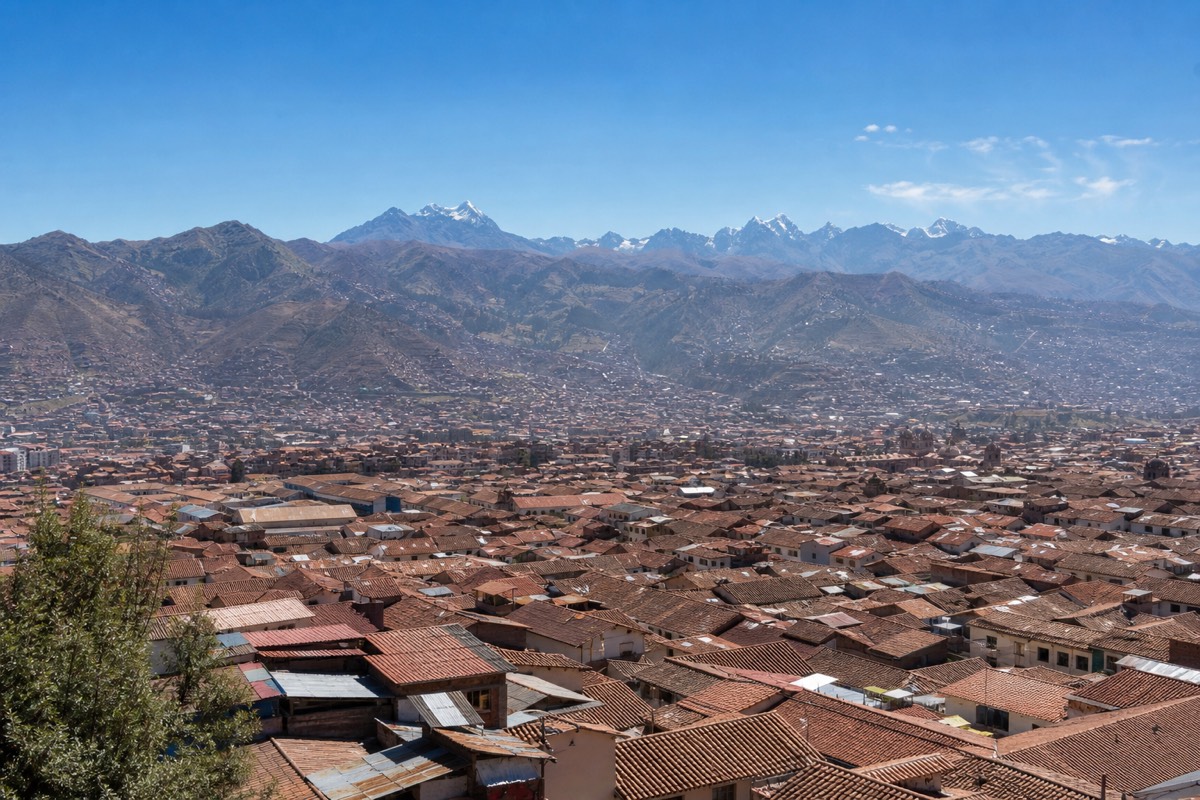
Soroche is the Andean name for acute mountain sickness, the headache, nausea and breathlessness that arrive when you climb too high too fast. Cusco sits at 3,399 metres, where each breath holds roughly a third less oxygen than at sea level, and the body needs a few days to catch up.
What is soroche, and why does the altitude in Cusco cause it?
At 3,399 metres the air pressure is lower, so every lungful delivers less oxygen to your blood. Your body responds by breathing faster and making more red blood cells, but that adjustment takes days, not minutes. Fly straight from Lima at sea level into Cusco and you skip the gradual climb your grandparents would have made overland, which is exactly why so many visitors feel rough on day one. A hop-on hop-off bus network like Peru Hop (check prices here) retraces something closer to that old overland route, working south from Lima through Paracas, Huacachina, Nazca and Arequipa before finishing in Cusco, so the body gets days rather than hours to catch up.
Public-health guidance puts the figure at roughly one in four people developing some form of acute mountain sickness at these elevations, and the odds do not track with age, fitness or how many marathons you have run. Fit young athletes get soroche. So do people who have never been sick a day in their life. What matters far more is how quickly you ascended and whether your body has had time to adapt, which is the whole reason a couple of nights spent getting used to the altitude in Cusco changes the trip.
The good news for anyone worried about the train itself: the journey to the ruins goes down, not up. Once you understand the numbers, the counterintuitive shape of a Cusco and Machu Picchu trip starts to make sense, and it changes how you should plan the order of your days.
Why does Cusco at 3,399 m hit harder than Machu Picchu at 2,040 m?
Machu Picchu is the lower place. The citadel stands at 2,430 metres and the town beneath it, Aguas Calientes, sits at 2,040 metres, both well under Cusco. Because altitude symptoms ease as you drop, a lot of travellers feel noticeably better at the ruins than they did in the city.
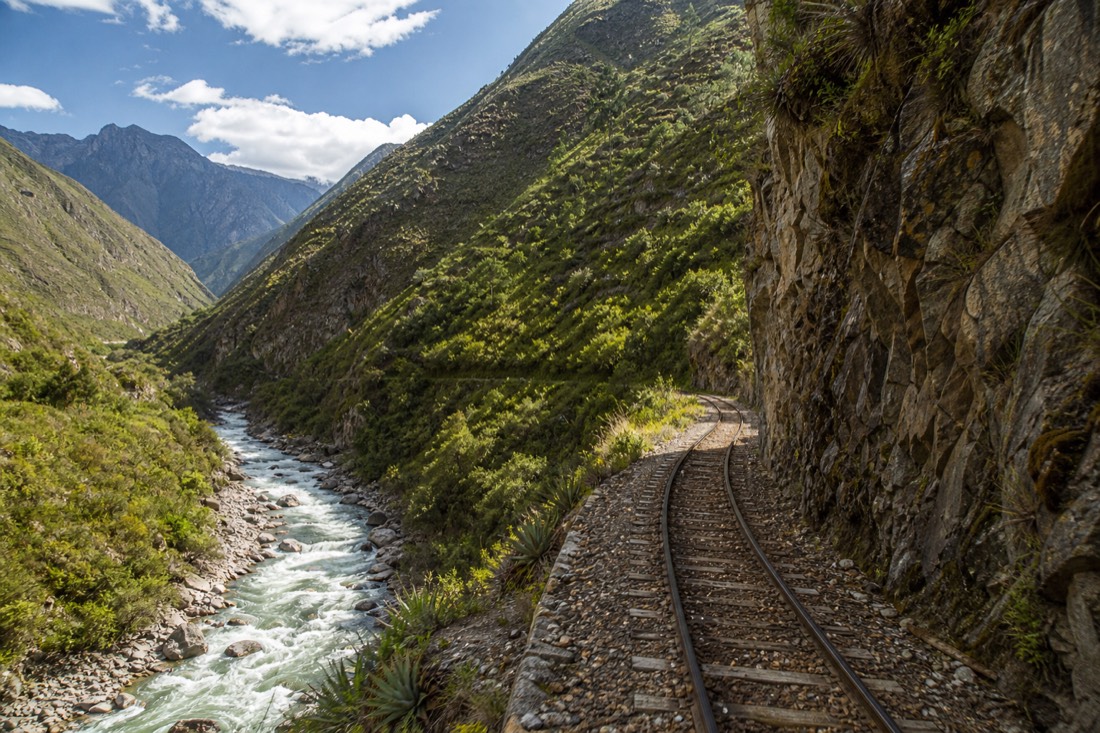
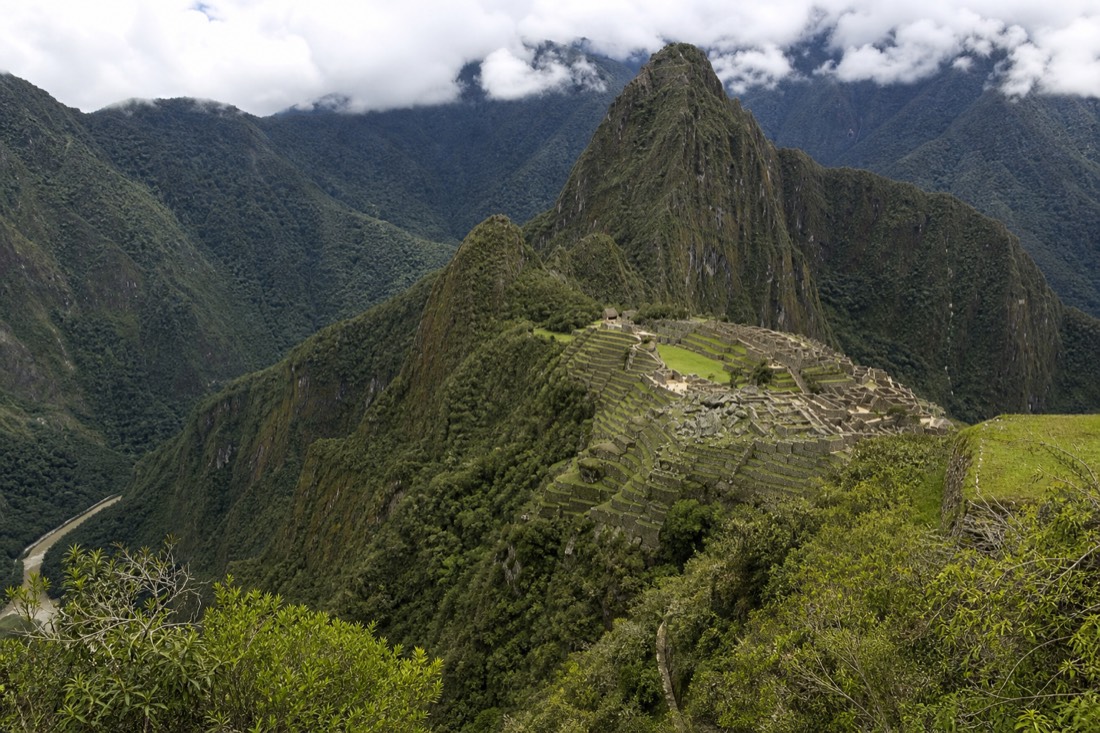
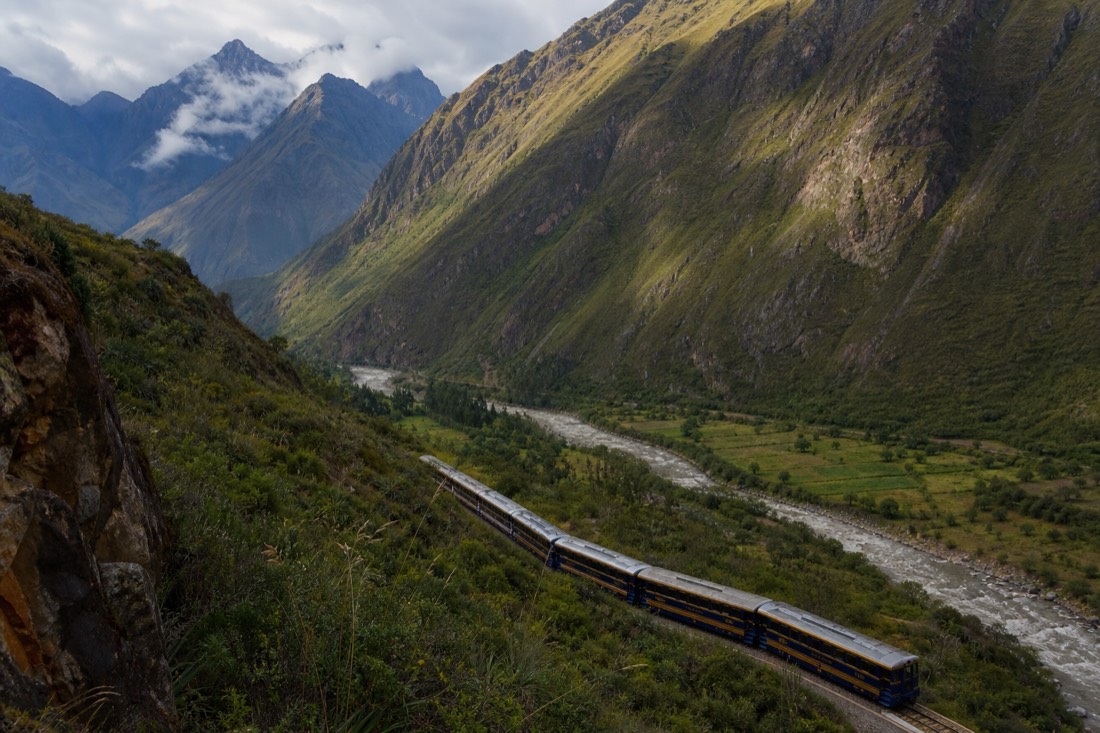
This surprises people. The postcard peak looks impossibly high, wrapped in cloud and clinging to a ridge, so visitors assume Machu Picchu must be the altitude challenge of the trip. It is the opposite. The citadel of Machu Picchu is nearly a thousand metres below Cusco, and the descent on the train, from the high Cusco basin down through the Sacred Valley to the cloud forest, delivers your body to thicker, more forgiving air. Many travellers who spent an uncomfortable first night in Cusco report that their headache lifted somewhere on the way down.
Two honest caveats. First, the site is built across steep terraces joined by hundreds of stone steps, so you will still be breathing hard as you climb them, and the walk from the station to the citadel is a genuine effort if you go up on foot rather than by bus. Second, some popular add-ons go straight back up: the Huayna Picchu peak behind the ruins, and day trips to spots like Rainbow Mountain that top 5,000 metres. The table below sorts the route by elevation so you can see where the real high points are.
| Place | Elevation | How it compares with Cusco |
|---|---|---|
| Lima (arrival airport) | Near sea level | Far lower; no altitude effect |
| Aguas Calientes (Machu Picchu Pueblo) | 2,040 m | About 1,360 m lower |
| Machu Picchu citadel | 2,430 m | Almost 1,000 m lower |
| Huayna Picchu peak (optional climb) | Roughly 2,700 m | Still lower than the city |
| Sacred Valley floor (Ollantaytambo area) | Around 2,800 m | About 600 m lower |
| Cusco | 3,399 m | The high base of the trip |
| Rainbow Mountain (optional day trip) | Above 5,000 m | Far higher; only for the acclimatised |
The pattern is clear. Cusco is the altitude you have to respect, and choosing which train to take to Machu Picchu is a comfort question, not an altitude one, because every service on the line ends up at the same low point in the valley.
What are the symptoms, and how do you tell mild soroche from something serious?
Mild soroche shows up within 6 to 24 hours of arriving high: a headache, tiredness, broken sleep, a flat appetite and mild queasiness. Serious altitude illness looks different. Confusion, a drunken-looking walk, or breathlessness while sitting still are red flags that mean you go down, not up.
Almost everyone who feels the altitude gets the mild version, and it usually fades on its own over a day or two of taking it easy. The trap is dismissing symptoms that are climbing the ladder toward the dangerous end. Two rare but serious conditions matter here: high-altitude cerebral edema, which is fluid on the brain and shows as confusion and loss of coordination, and high-altitude pulmonary edema, which is fluid in the lungs and shows as breathlessness at rest and a cough that may bring up frothy spit. Both are medical emergencies, and both improve fastest with descent.
This guide is general planning information rather than medical advice, and the details of altitude illness are set out clearly in the CDC Yellow Book chapter on altitude illness. Use the matrix below to sort what you are feeling, and when in doubt, treat symptoms as more serious rather than less.
| Level | What you might feel | What to do |
|---|---|---|
| Mild AMS (soroche) | Headache, tiredness, poor sleep, low appetite, mild nausea | Rest, fluids, no further ascent, simple painkillers; usually eases in a day or two |
| Moderate AMS | Headache that painkillers barely touch, vomiting, real weakness | Stop climbing, rest, consider descending; talk to a doctor or pharmacist |
| HACE (brain, rare) | Confusion, unsteady or staggering walk, drowsiness, behaviour change | Descend immediately and get medical help; this is an emergency |
| HAPE (lungs, rare) | Breathless at rest, tight chest, persistent cough, frothy spit | Descend immediately, seek oxygen and medical care; this is an emergency |
How long does it take to acclimatise in Cusco?
Most people turn a corner after two to three nights at Cusco's altitude, and the first 24 hours are usually the worst. There is no shortcut. Acclimatisation is time plus rest, so arriving two or three days before Machu Picchu is the single most useful thing you can do for the whole trip.
Your body starts adjusting the moment you arrive, but the changes that make altitude comfortable, deeper breathing and richer blood, need days to settle in. A sensible rule from altitude medicine is to gain no more than about 500 metres of sleeping altitude per night once you are above 3,000 metres, and to build in a rest day every so often. You cannot always follow that to the letter when you fly into Cusco, which is why the days after you land matter so much.
The classic mistake is to land in Cusco and book a day trip to Machu Picchu from Cusco for the very next morning, then wonder why the greatest archaeological site in the Americas was experienced through a pounding headache. Give the altitude room. The plan below is a realistic first week that keeps early days gentle and low.
| Day | Where | What to do | Sleeping altitude |
|---|---|---|---|
| 1 | Cusco or Sacred Valley | Arrive, unpack, walk slowly, drink water, eat light, early night | 2,800 to 3,399 m |
| 2 | Cusco or Sacred Valley | Easy sightseeing, short flat walks, no big hikes or heavy drinking | 2,800 to 3,399 m |
| 3 | Sacred Valley to Machu Picchu | Descend by train to the ruins, where the air is thicker and easier | 2,040 m (valley floor) |
| 4 | Back toward Cusco | Return; you are now better adjusted for the city's height | 2,800 to 3,399 m |
| 5+ | Cusco and beyond | Higher hikes and high day trips only once symptoms are gone | 3,399 m and up |
How do you prevent soroche before and during the trip?
Climb slowly, rest hard on arrival, drink plenty of water, skip alcohol the first day and eat small, light meals. Coca tea is the local standby and can take the edge off mild symptoms. None of this is medical advice: anyone with heart or lung conditions should speak to a doctor before travelling.
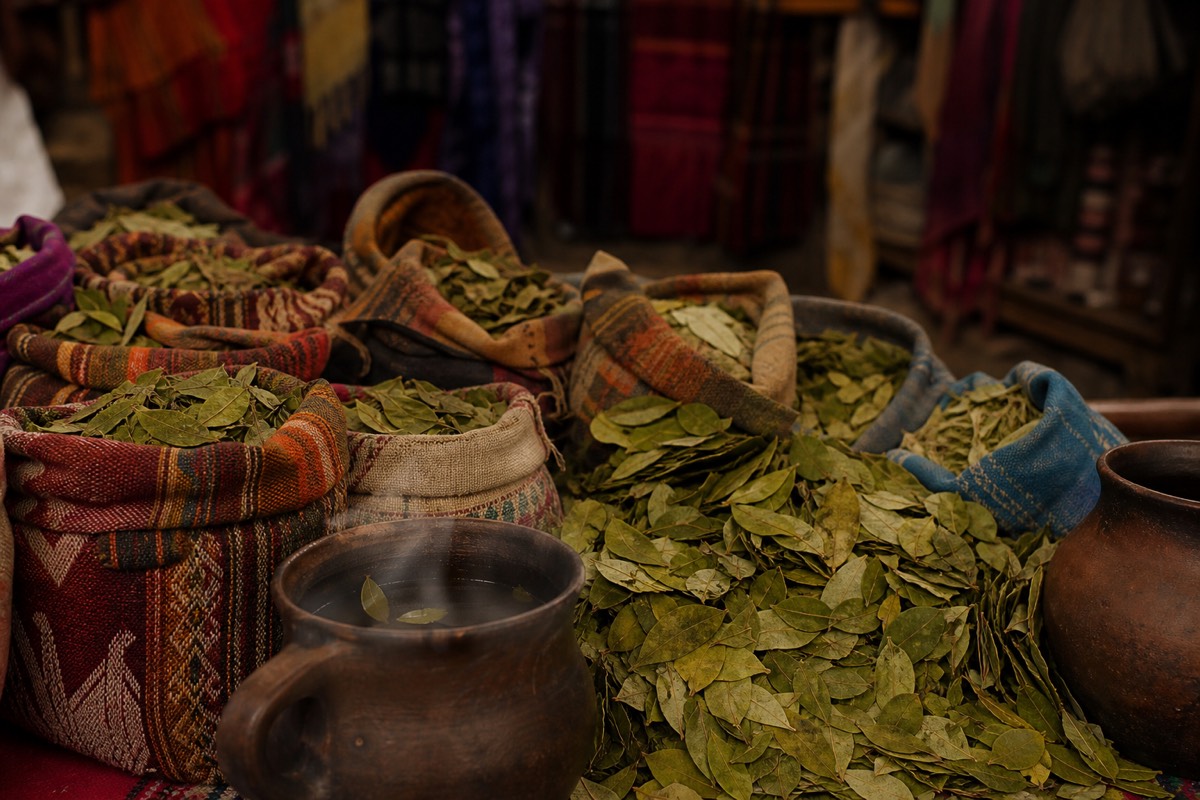
Prevention is mostly about pace and patience, and a handful of small habits stack up. Hydration helps because altitude and dry mountain air pull water out of you faster than you notice. Alcohol and heavy food both make the first night worse, so save the pisco sours for once you have found your feet. Coca leaves and coca tea have been used in the Andes for centuries and are offered in nearly every Cusco hotel lobby; they are a mild stimulant and can ease a low-grade headache, though they are not a substitute for proper acclimatisation. The do and do-not list below covers what actually moves the needle.
| Do | Don't |
|---|---|
| Build in two or three easy nights before Machu Picchu | Fly in and hike a big peak the same day |
| Drink water steadily through the day | Drink alcohol on your first night at altitude |
| Eat light meals and plenty of carbohydrates | Sit down to a heavy, rich dinner right after landing |
| Rest when your body asks; nap if you need to | Push through moderate symptoms to keep a schedule |
| Try coca tea for mild symptoms | Assume coca tea replaces real acclimatisation |
| Sleep lower, in the Sacred Valley, when you can | Book the highest-altitude day trips for early in the trip |
When should a medication like acetazolamide come up with your doctor?
Acetazolamide, sold as Diamox, is a prescription drug that speeds acclimatisation, and public-health guidance sorts travellers into low, moderate and high risk to signal when it is worth discussing. This is a conversation for a doctor who knows your medical history, not a decision to make from a travel page.
The CDC Yellow Book describes acetazolamide as a way to hasten the body's adjustment to thin air, and notes a common preventive dose of 125 mg every 12 hours, started before ascent. It also flags side effects that catch people off guard: tingling in the fingers, a metallic taste, and fizzy drinks tasting strange. Because it is a sulfa-related drug with real contraindications, whether it is right for you depends on your health, and only a doctor can weigh that. Treat the risk table below as a prompt for that conversation, not as a prescription.
| Risk level | Typical traveller | What to raise with a doctor |
|---|---|---|
| Lower risk | Slow overland ascent, or a history of no altitude trouble | Often no medication; carry it only as a backup |
| Moderate risk | Flying from sea level to Cusco over a day or two | Preventive medication may be worth discussing |
| Higher risk | Past altitude illness, or a fast climb to sleep above 3,400 m | Preventive medication and an emergency plan are worth discussing |
One caution on the local shortcut: pharmacies in Cusco sell over-the-counter soroche pills with mixed ingredients, and they are not the same as a doctor-guided plan. If you are the type who wants medication sorted in advance, have that talk at home before you fly.
What are the red-flag symptoms, and when should you seek care?
Go down and get help if a headache will not lift with rest and painkillers, if someone becomes confused or unsteady on their feet, or if they are breathless while sitting still. Those point to the dangerous forms of altitude illness, and the answer is descent plus medical care, quickly.
The single most reliable treatment for serious altitude illness is losing height, and Cusco has an advantage most high-altitude destinations lack: down is easy to reach. Dropping into the Sacred Valley at around 2,800 metres, or all the way to Aguas Calientes at 2,040 metres, can turn a frightening situation around. Cusco also has clinics and hotels that keep bottled oxygen on hand, and any traveller heading into the Andes should carry travel insurance that covers altitude and evacuation. The table below is the short version to keep in your head.
| Warning sign | Why it matters | Immediate action |
|---|---|---|
| Headache that ignores rest and painkillers | Symptoms are worsening, not settling | Stop ascending, rest, prepare to descend |
| Confusion, drowsiness or a staggering walk | Possible fluid on the brain (HACE) | Descend now and get medical help |
| Breathless at rest, cough, frothy spit | Possible fluid in the lungs (HAPE) | Descend now, seek oxygen and a doctor |
| Symptoms in a child or an unwell traveller | Harder to read and quicker to turn | Get medical advice early, do not wait it out |
How should you sequence Cusco, the Sacred Valley and Machu Picchu?
The smart order is to sleep low first. Come down from Cusco's airport into the Sacred Valley at around 2,800 metres for a night or two, visit Machu Picchu at its lower elevation, then finish in Cusco once your body has adjusted. It flips the obvious itinerary, and it flips it for a reason.
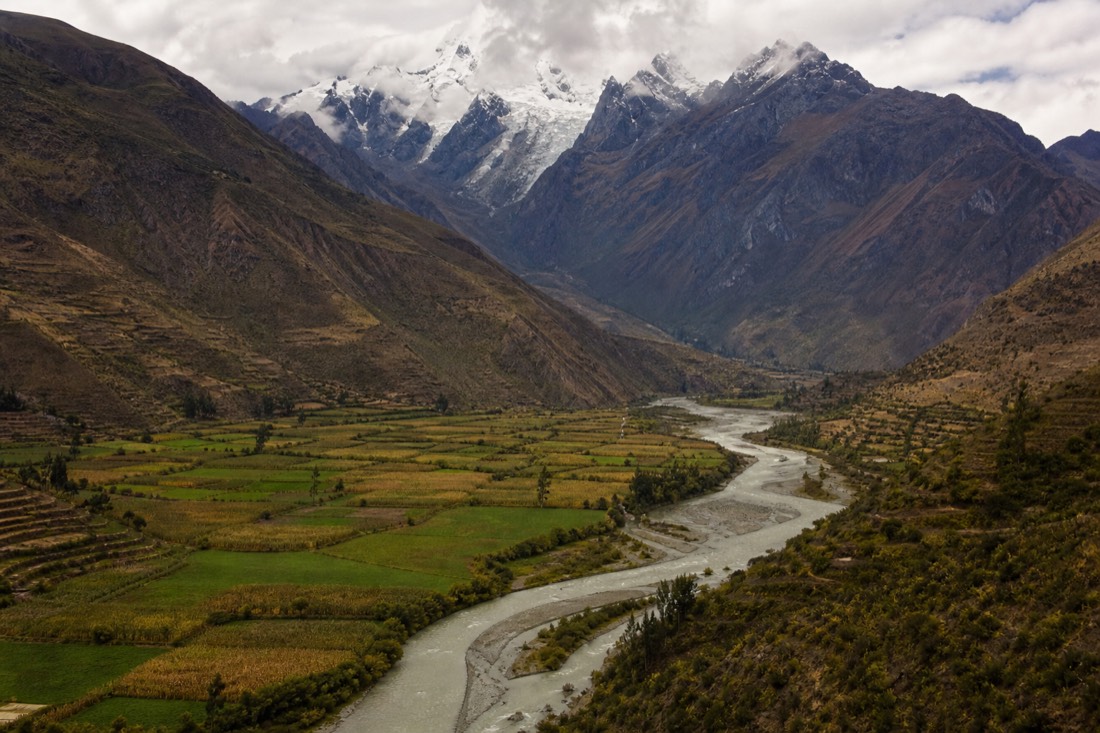
Altitude medicine has a saying, climb high and sleep low, and the Sacred Valley lets you live it. Rather than spending your shakiest first night at the full height of Cusco, many travellers now transfer straight from the airport down into the valley towns, sleep several hundred metres lower, and spend those recovery days among the ruins of Pisac and Ollantaytambo. From there the train carries you lower still, so your Machu Picchu day lands at the easiest altitude of the whole trip. You then come back up to Cusco at the end, acclimatised and able to enjoy the city rather than endure it.
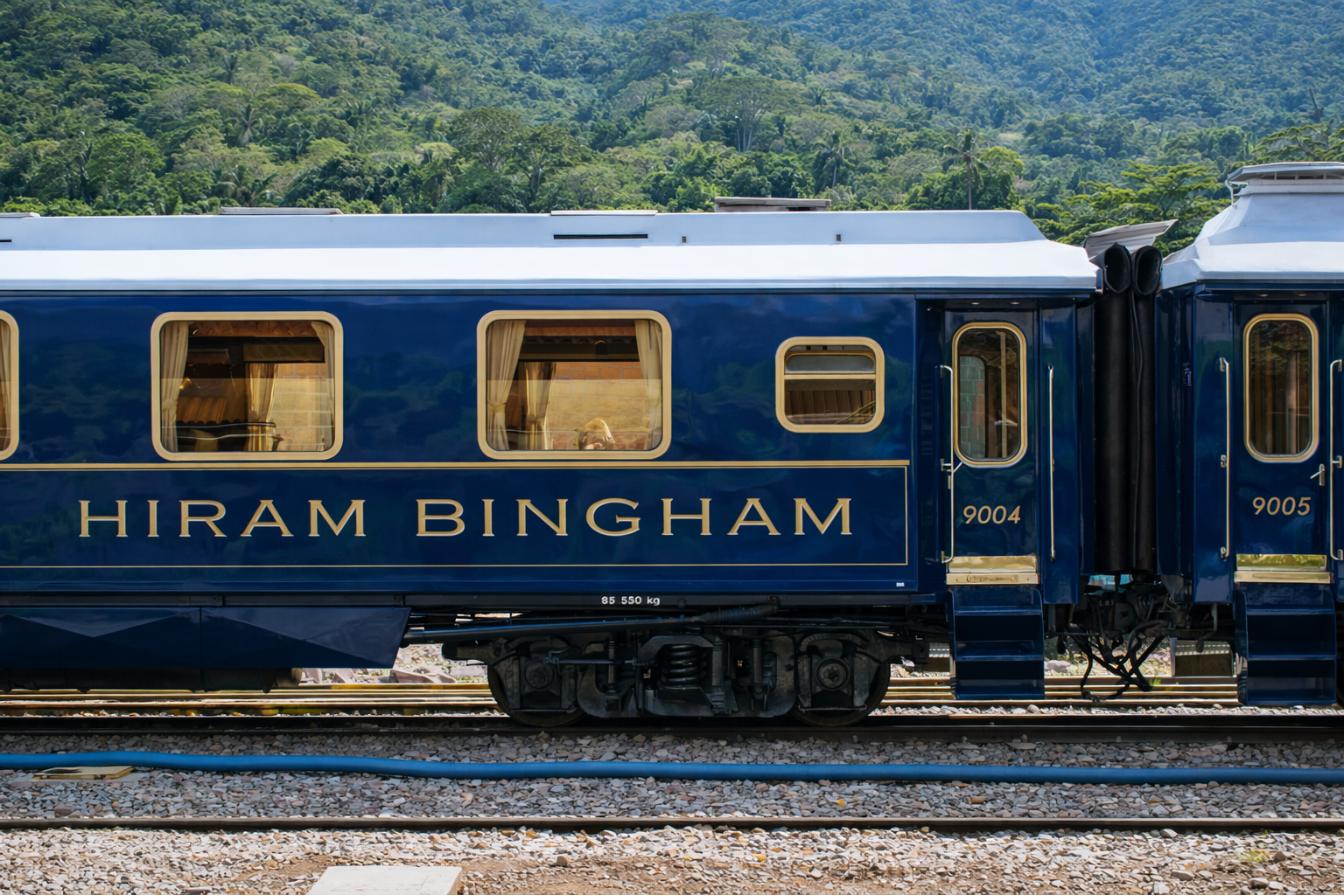
This is also where the practical choices connect. The departure station shapes your morning: the Poroy and Ollantaytambo stations serve different parts of the route, and a Sacred Valley base often pairs naturally with an Ollantaytambo departure. Your Machu Picchu entrance tickets and which circuit to book should be locked in for the same day, and the best time to visit Machu Picchu, the drier months from roughly May to September, is worth factoring in alongside the altitude plan. The team at Hiram Bingham Train Tickets sets the day up so the descent to the ruins does the acclimatisation work for you, and the cost of the Hiram Bingham ticket already folds in the entrance, the guide and the transfers. The two sample orders below show the difference a little sequencing makes.
Travellers with more days to spare sometimes skip the direct flight into Cusco altogether. Peru Hop (check prices here) runs a hop-on hop-off bus network from Lima down through Paracas, Huacachina, Nazca, Arequipa and Puno before finishing in Cusco, with hotel pickup at every stop and an English-speaking host on board. It does not reach Machu Picchu itself, that leg is still the train from Cusco, but arriving overland spreads the altitude gain over several days instead of one abrupt flight, and the pass stays valid for a year so the pace is yours to set.
| Day | Acclimatisation-friendly order | Higher-risk order |
|---|---|---|
| 1 | Land at Cusco, transfer straight down to the Sacred Valley (about 2,800 m) | Land at Cusco, stay in the city at 3,399 m and sightsee hard |
| 2 | Easy day in the valley, gentle ruins, sleep low | Day trip to Machu Picchu from Cusco, up before dawn |
| 3 | Train down to Machu Picchu at its lower elevation | High-altitude day trip while still unadjusted |
| 4 | Return and move up to Cusco, now better adjusted | Struggling with a headache halfway through the trip |
Order the days well and the altitude becomes a footnote rather than the story of your trip. Sleep low, let the descent to the ruins reward you, and save Cusco's full height for when your body is ready to appreciate it.