Can You Do Machu Picchu as a Day Trip From Cusco?
It makes for a long day, but a single day from Cusco to Machu Picchu and back is genuinely doable, and the Hiram Bingham is the version that feels like a treat rather than a march. Here is how the hours really stack up, what you gain, and what you quietly give up.
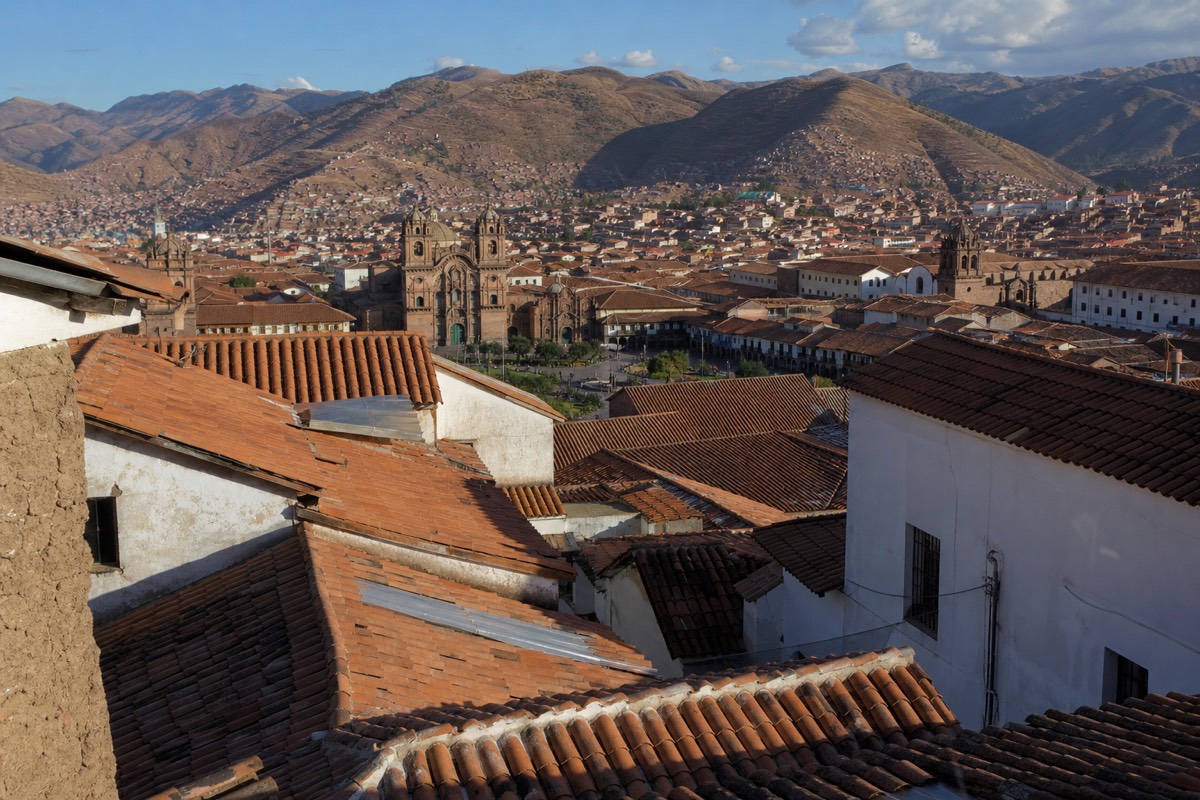
People book two nights in Aguas Calientes, then meet someone at brunch who saw the same citadel and slept in their own Cusco hotel that night. Both are right. The one-day Machu Picchu trip is real, it is popular, and on the right train it is one of the more civilised long days in travel. The catch is not whether it can be done. The catch is which day you end up having.
Can you really see Machu Picchu in one day from Cusco?
Yes. A round trip from Cusco to Machu Picchu and back inside a single day is completely feasible, and thousands of visitors do it every week. The distance is short, the whole thing runs on scheduled trains, and the Hiram Bingham is designed as a full-day tour with the citadel, meals and transfers built in. You will be tired by nightfall, but you will have seen it.
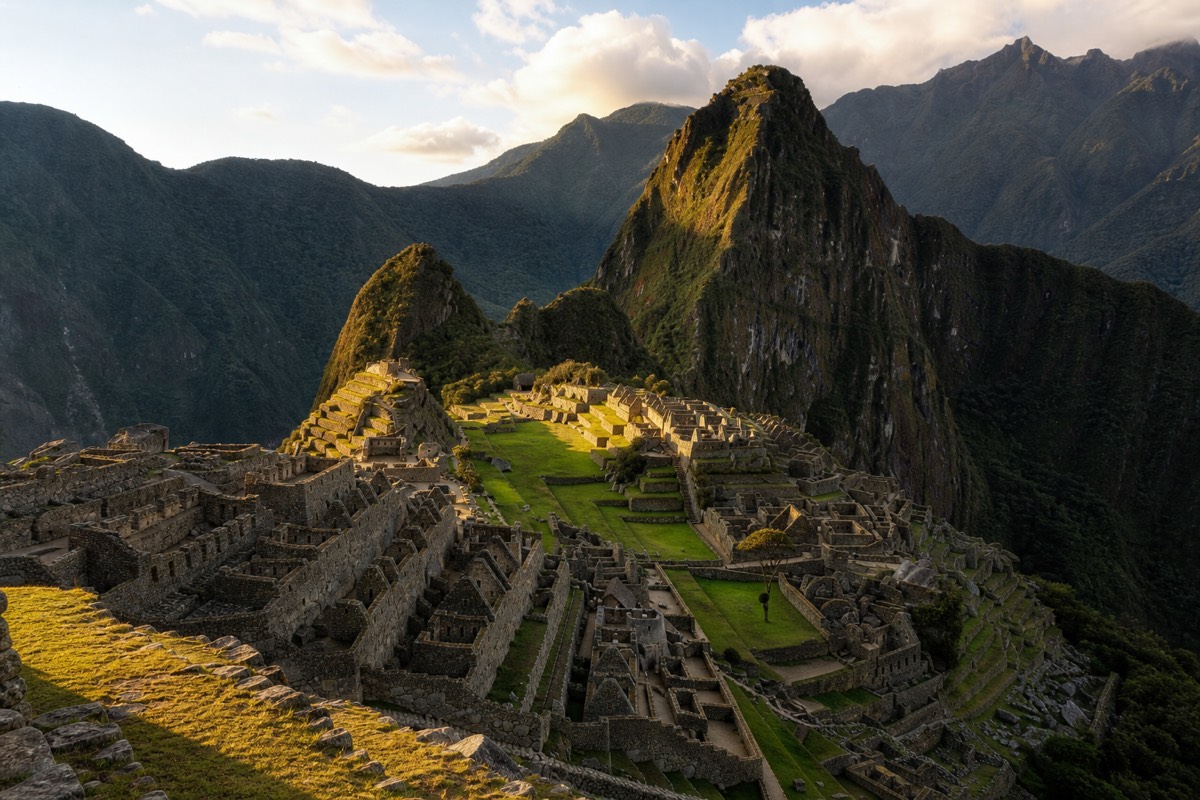
The reason it works is geography plus timetable. Machu Picchu sits about 75 kilometres from Cusco as the condor flies, and the train covers the scenic run in roughly three and a half hours each way. Add the bus up the switchbacks and a couple of hours in the citadel, and the maths closes. The luxury service in particular is timed and staffed so that the day feels paced, not panicked, which is the whole point of paying for it.
Where a one-day trip gets stressful is when travellers try to build it themselves out of the cheapest connections, then discover the return train leaves before they are ready. Understanding your train options from Cusco to Machu Picchu is the first real decision, because the service you pick sets how much slack the day has.
What does a realistic one-day timeline look like?
On the Hiram Bingham, plan for a roughly 8am hotel pickup in Cusco, a mid-morning departure near 9am, arrival at Aguas Calientes around midday, a short bus up, a guided visit through the early afternoon, then a late-afternoon return train that has you back in Cusco in the evening. Door to door it is a 13 to 14 hour day.
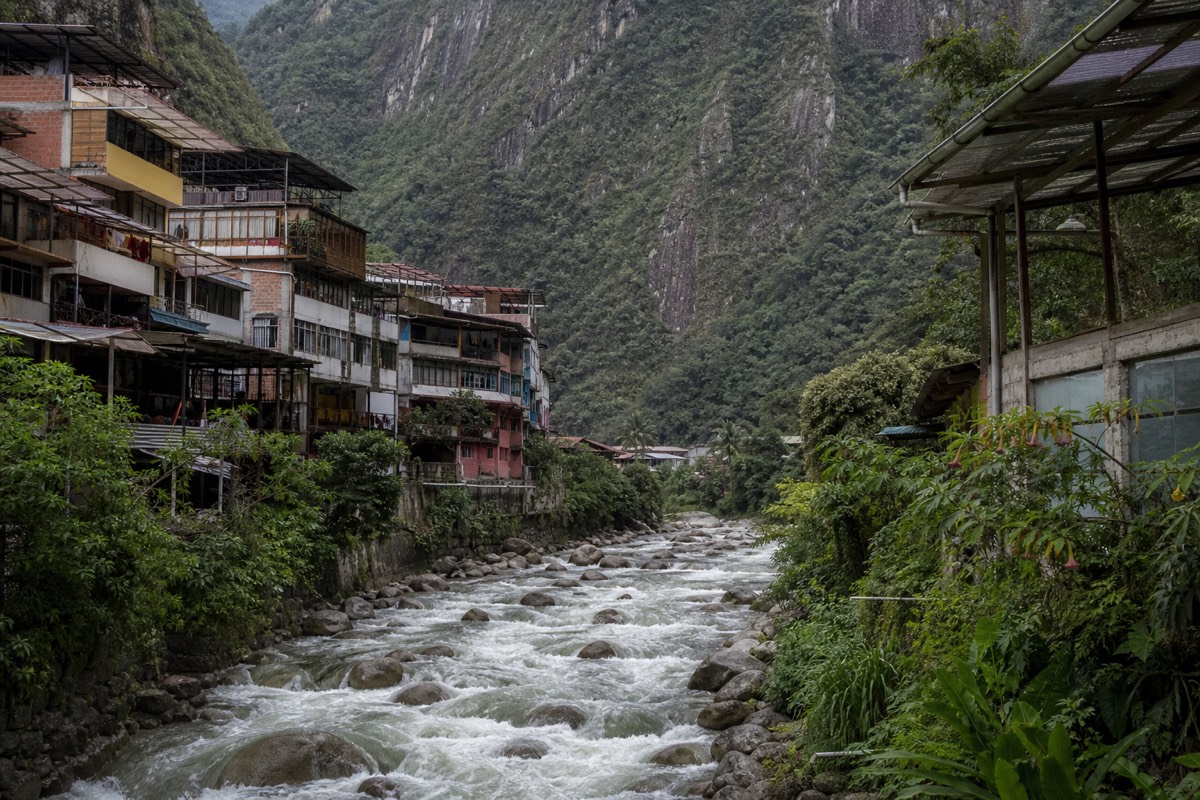
Times shift with the season and the current timetable, so read the hours below as a shape rather than a fixed clock. The luxury service folds brunch, a bar and live music into the outbound run and dinner into the return, so a lot of the day is spent being fed rather than waiting on platforms.
| Time (approx.) | What happens | Notes |
|---|---|---|
| 8:00 am | Hotel pickup in Cusco, transfer to the station | Private coach transfer included on the luxury tour |
| 9:00 am | Depart on the train toward Aguas Calientes | Brunch, open bar and Andean music begin onboard |
| ~12:20 pm | Arrive Aguas Calientes at the base of the mountain | Journey is about 3.5 hours of scenic valley |
| ~12:45 pm | Bus up the switchback road to the citadel gate | The bus up to the citadel takes 25 to 30 minutes |
| 1:15 to 3:30 pm | Guided visit on Circuit 2, then a little free time | Guide runs about 2 to 2.5 hours |
| ~3:50 pm | Afternoon tea or a cocktail before the return | Often taken near the Sanctuary Lodge |
| 5:00 to 6:00 pm | Return train departs Aguas Calientes | Dinner and music served onboard |
| 9:00 to 10:00 pm | Arrive back near Cusco, transfer to your hotel | Confirm the current timetable when you book |
Two scheduling notes matter. First, roughly January to April the luxury service often runs as a bimodal bus-and-train combination because of track work on the upper line, which changes the pickup and the timings. Second, your exact departure depends on whether you leave from Poroy and Ollantaytambo stations, so confirm your boarding point when you book rather than assuming.
What do you actually see in one day, and what do you miss?
In one day you get the full guided citadel visit, the classic viewpoint, the main temples and the scenic train both ways. What you miss is sunrise on the terraces, a mountain climb like Huayna Picchu, a second slower entry, the hot springs and evening in Aguas Calientes, and the unhurried feeling of not watching a return-train clock.
The honest trade is depth for convenience. A single well-run day covers everything most first-time visitors came for. It does not cover the extras that reward people who structure their whole trip around the mountain. If your dream is standing on Huayna Picchu at 8am with the valley in cloud below you, one day from Cusco is the wrong tool.
| You get in one day | You miss in one day |
|---|---|
| Full guided visit on the classic Circuit 2 route | Sunrise light on the terraces (needs an early slot) |
| The postcard overlook and the main temples | Huayna Picchu or Machu Picchu Mountain climbs |
| Scenic Sacred Valley train both directions | A calm second entry the next morning |
| Brunch, drinks and onboard entertainment | Aguas Calientes town, the hot springs, the museum |
| Home in your own Cusco bed that night | Star-filled valley evening away from the city |
None of the misses are dealbreakers for a lot of travellers. Plenty of people want the citadel, the view and a great lunch, not a dawn hike. Knowing which camp you are in is the whole planning task. If a summit is on your list, read the detail on Machu Picchu entrance tickets and the citadel circuits, because the climb permits are separate and do not fit a fast one-day schedule.
One day versus two days: which is right for you?
Choose one day if you want efficiency, your own Cusco hotel each night, and a single great visit. Choose two days, with a night in Aguas Calientes, if you want sunrise, a mountain climb, a relaxed pace, or a backup morning in case the weather turns. The two-day trip sees more of the site but costs more nights, more money and more logistics.
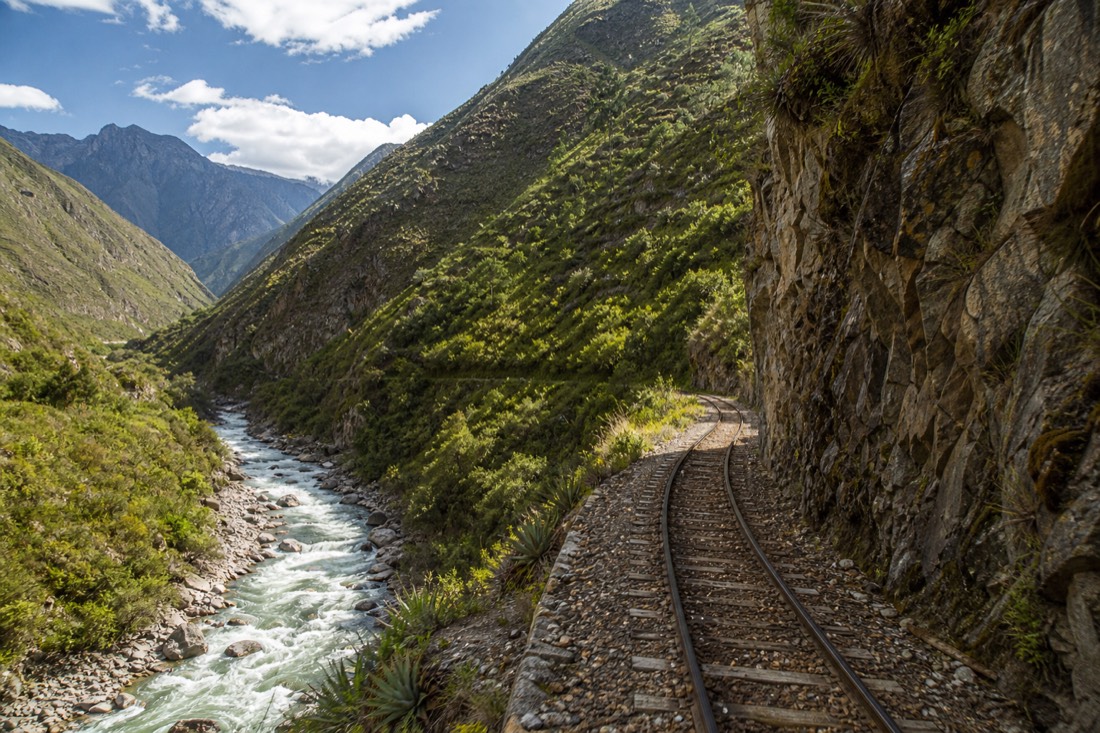
The deciding factors are usually time, budget and how much you hate rushing. An overnight buys you the early bus, the quiet terraces before the day crowds arrive, and the room to add a peak. A single day buys you simplicity and keeps you anchored in Cusco, which some travellers prefer for altitude and comfort reasons.
| Factor | One day from Cusco | Two days with overnight |
|---|---|---|
| Length of day | Long, 13 to 14 hours door to door | Relaxed, split across two mornings |
| Sunrise at the citadel | Not possible | Possible with the first bus |
| Mountain climb | Very tight, usually skipped | Feasible with the right permit |
| Cost | Lower, no extra lodging | Higher, adds a night and meals |
| Weather backup | None, one shot | A second morning if clouds roll in |
| Best for | Tight itineraries, comfort seekers | Photographers, hikers, slow travellers |
If cost is the swing factor, look closely at the cost of the Hiram Bingham ticket versus a two-night self-built trip, because the luxury day can work out simpler than it first looks once you price a hotel, extra transfers and separate meals into the overnight plan.
Which train service makes a day trip comfortable or stressful?
The service you choose decides whether the day feels like a treat or a scramble. The Hiram Bingham is the comfortable one-day answer, timed and catered as a full-day tour. The Vistadome is a scenic mid-tier option that still works in a day. The Expedition is the budget path with the tightest margins. A one-day trip lives or dies on the return train's timing.
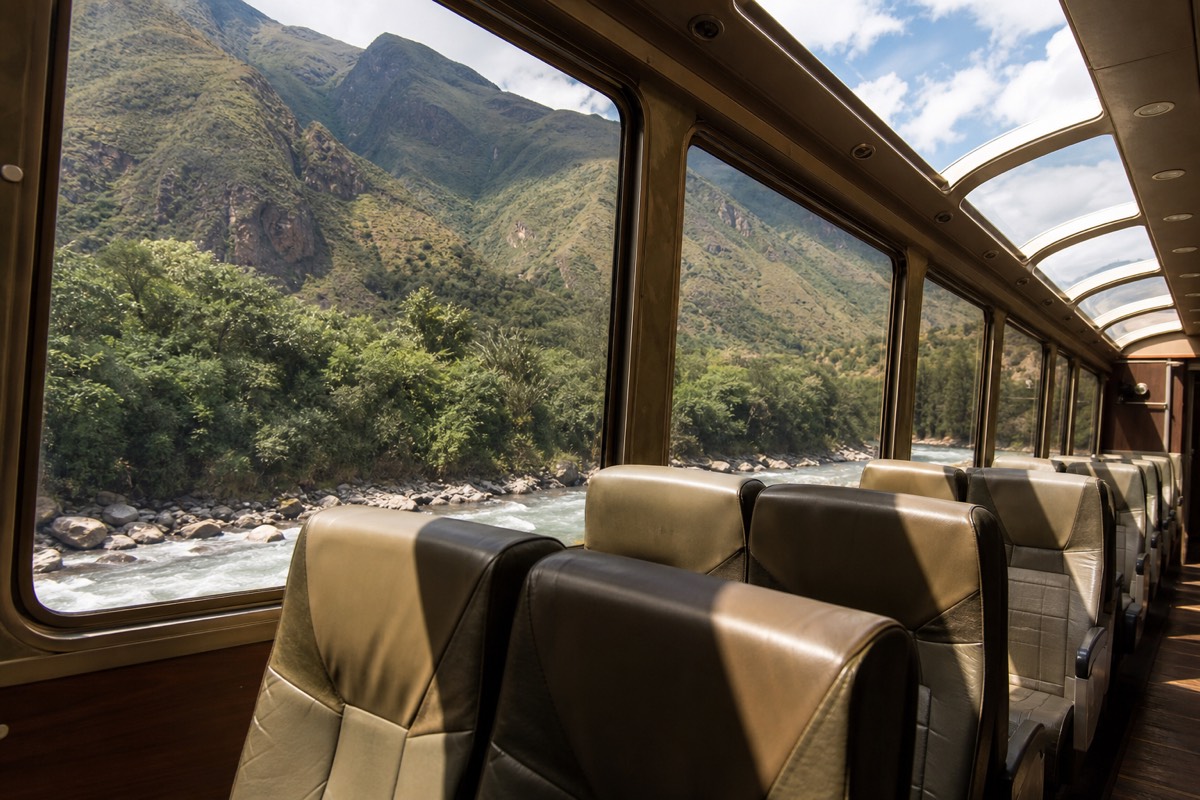
All the trains cover the same track and the same roughly three-and-a-half-hour run, but they are built for different days. The luxury service is the only one where the meals, the guide and the transfers are handled for you, so there is nothing to miss and nowhere to queue. On the cheaper services you assemble the pieces yourself and carry the risk if one link slips.
| Service | Day-trip comfort | Timing headroom | Best for |
|---|---|---|---|
| Hiram Bingham (luxury) | Highest, full-day tour with meals and guide | Generous, built as one day | A comfortable, all-in day trip |
| Vistadome (panoramic) | Good, scenic, self-organised | Workable with care | Views on a mid-range budget |
| Expedition (standard) | Basic, tightest logistics | Least slack | Budget travellers who plan carefully |
| Bimodal (Jan to Apr) | Varies, bus plus train | Reduced, seasonal | Wet-season travellers, plan around it |
If you are torn between services, compare the Hiram Bingham against the Vistadome on how the return timing lines up with your entry slot, since the luxury service and the daytime scenic train arrive and leave on different rhythms. Some travellers also ask whether the panoramic train is worth it for a day trip, and the answer usually turns on how much the onboard time matters to you.
Why does a very early start or a luxury all-inclusive train change the day?
An early start buys light and quiet, the two things the citadel does best before the day crowds arrive. A luxury all-inclusive train buys certainty and pace, so the long hours feel like part of the experience rather than dead time. Either lever turns a rushed logistics puzzle into a day you actually enjoy, and together they are the difference maker.
On a self-built day, the earliest trains give you the emptiest terraces and the softest morning light, which is why they sell out first. On the luxury service, the trade is different: you arrive later but you are looked after the entire way, with brunch, a bar and music on the run in and dinner on the run back, so the transit time is the treat. Both approaches solve the same problem, which is that a Machu Picchu day trip is mostly time in motion.
The all-inclusive model also removes the small failures that wreck a fast day: a missed bus, a sold-out entrance, a guide who never shows. With everything bundled, the only job left is to enjoy it. That is the quiet case for paying up when your schedule only allows one shot at the citadel.
Does doing Machu Picchu fast create an altitude problem?
Counterintuitively, the day at Machu Picchu is gentler on your body than sitting in Cusco. The citadel sits well below the city, so a day trip actually takes you down in altitude. The real risk is Cusco itself, at around 3,399 metres, where soroche hits hardest in the first day or two. Rushing the high city, not the low citadel, is what makes people ill.
Look at the numbers and the fear melts. Cusco is high, Aguas Calientes is low, and the citadel sits between the two but still far under the city. Descending is easy on the lungs, so if anything a Machu Picchu day early in your trip is a relief from Cusco's thin air, not an added strain.
| Place | Approx. elevation | What it means |
|---|---|---|
| Cusco | 3,399 m (11,152 ft) | Highest point, where altitude sickness bites |
| Poroy station | ~3,500 m | Boarding altitude, brief |
| Machu Picchu citadel | ~2,430 m (7,970 ft) | Nearly 1,000 m below Cusco, easier air |
| Aguas Calientes | 2,040 m (6,690 ft) | Lowest point, comfortable |
The practical takeaway is to respect Cusco, not the day trip. Give yourself a day or two to acclimatise in the city before you go hard, and read up on altitude sickness in Cusco so you know the early signs. A fast citadel day is fine for your body. It is the sprinting around a high city on arrival day that catches people out, and it also shapes the best time to visit Machu Picchu, since the same dry months that give clear skies bring the biggest crowds.
Who should do the one-day trip, and who should not?
Do it in one day if your trip is short, you want your own Cusco bed, you value comfort over dawn hikes, or you simply want to see the citadel well without a logistics marathon. Skip the one-day version if you dream of sunrise or a mountain climb, if you photograph seriously, or if you would rather move slowly and soak in the valley overnight.
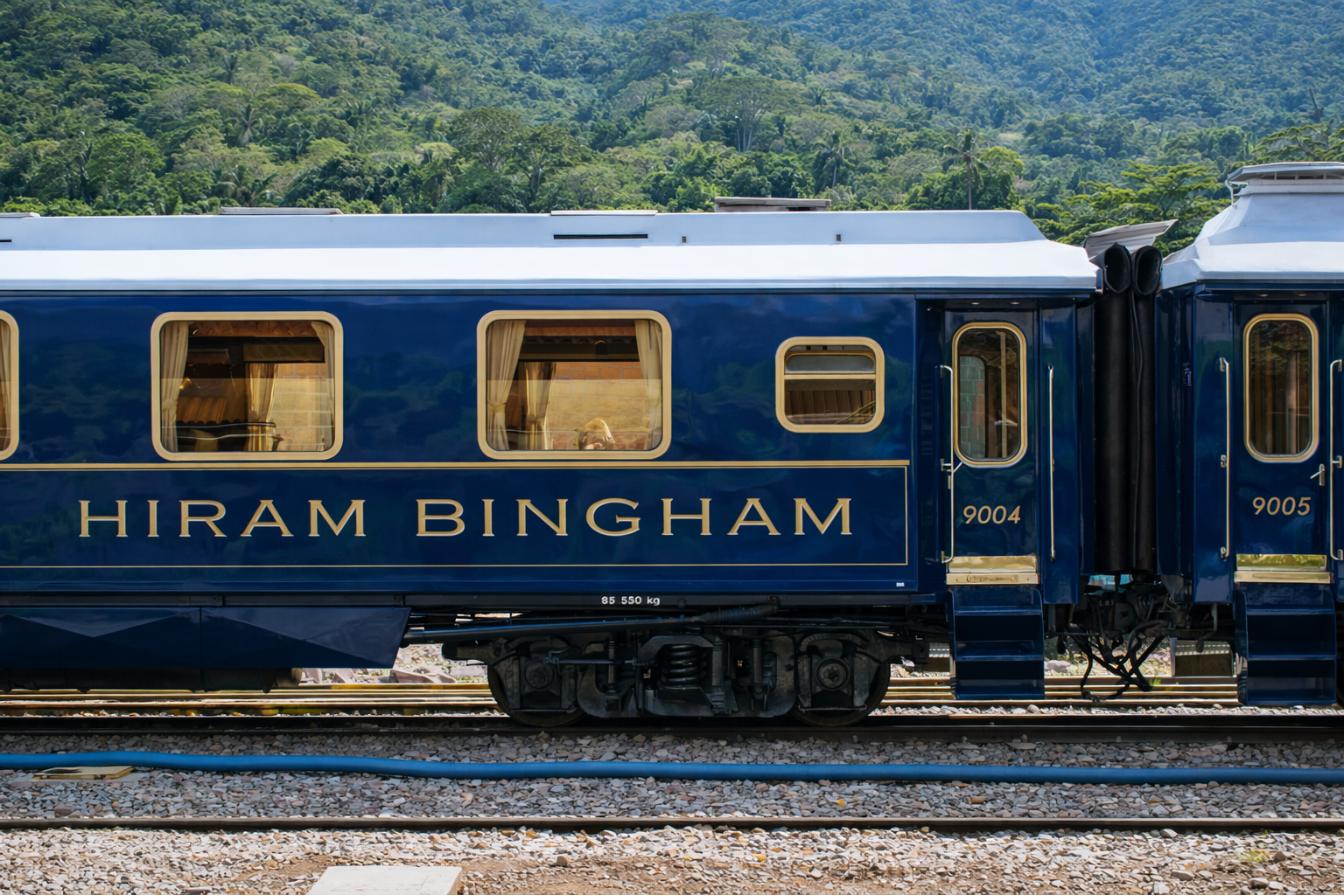
Most first-time visitors sit happily in the first group. They want the view, the temples, a good meal and a story to tell, and the luxury day delivers all of that with the least friction. The Hiram Bingham is the version that makes a one-day trip feel indulgent rather than exhausting, which is why so many people book the full-day experience with Hiram Bingham Train Tickets when their calendar only allows a single run at the mountain.