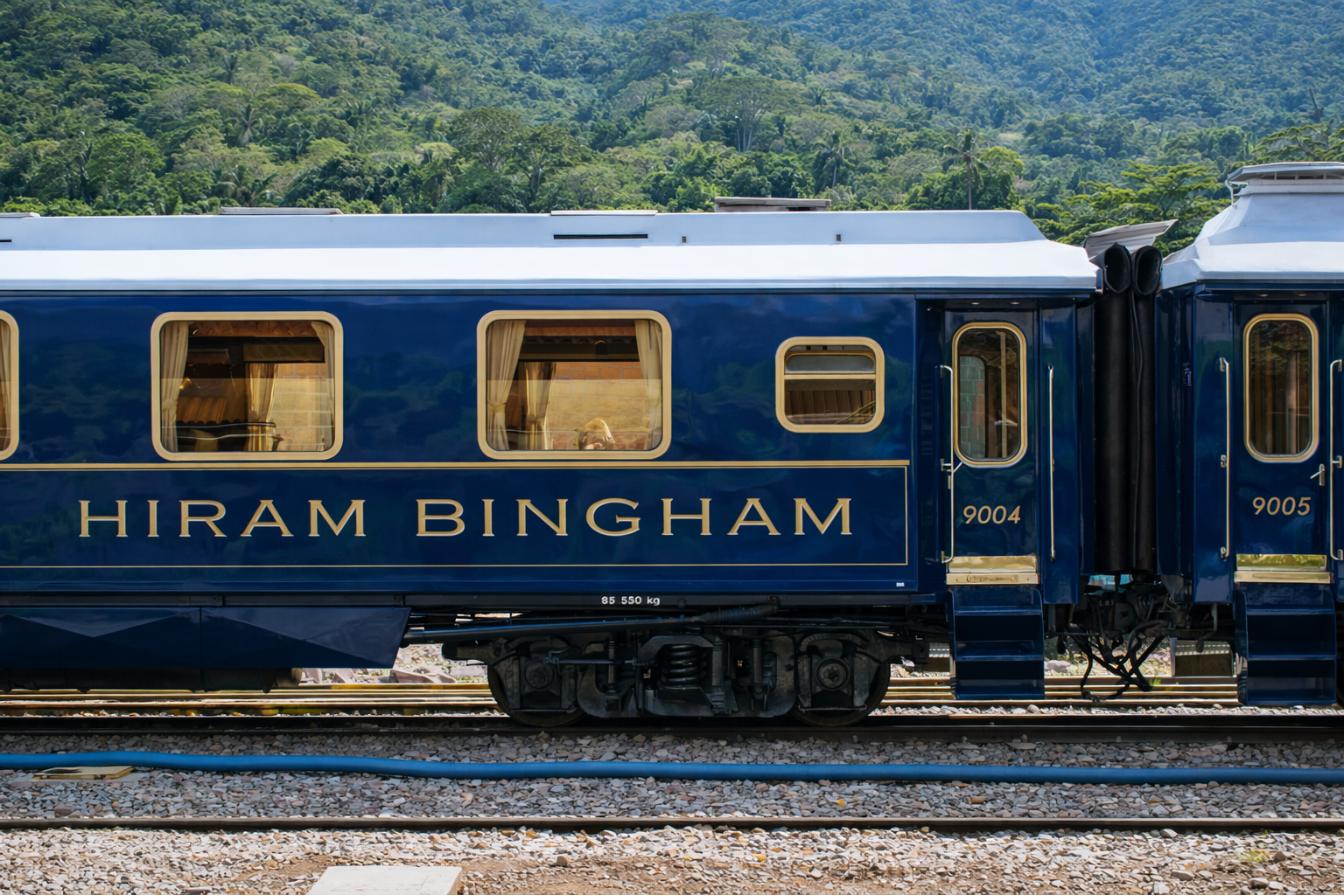
Hiram Bingham Train Cost: What You Actually Pay (2026)
Three very different numbers get quoted for this train, and they are not the same thing. Here is exactly what each one buys, from the bare PeruRail fare to the all-inclusive day.
What does the Hiram Bingham train actually cost?
Plan on one of two headline numbers. PeruRail's bare Belmond Hiram Bingham fare runs round-trip around $1,000 to $1,200 or more, with one-way figures circulating near $500 to $660. The all-inclusive day featured on this site is a single package priced around $1,580 per person, and both should be checked against the live listing or the official site for today's exact figure.
The confusion almost always comes from mixing three separate things. There is the raw train fare that PeruRail charges. There is the packaged full-day experience, sold as one booking, that folds the citadel entrance and the transfers around it into a single price. Then there are the extras some travellers still add on top, like a mountain-climb permit or a night in the valley town below the ruins. Quote any one of them without saying which it is, and the price looks either suspiciously cheap or wildly high.
Below is the whole thing laid out. Because the Hiram Bingham is priced differently from the daytime services, understanding it also helps if you are still weighing your train options from Cusco to Machu Picchu before you commit to the luxury seat.
| Price line | What it is | Roughly what it covers | Typical 2026 figure |
|---|---|---|---|
| Bare PeruRail fare | The luxury train ticket bought straight from PeruRail | Round-trip luxury train, onboard meals, and on this service the citadel entrance, bus and guide as well | Round-trip around $1,000 to $1,200+; one-way circulating $500 to $660 |
| All-inclusive bundle (this listing) | The full day booked as one package on the operator listing | Round-trip Hiram Bingham plus Machu Picchu entrance, guided visit and transfers, all in one price | Around $1,580 per person |
| Optional add-ons | Things you buy on top of either | Mountain-climb permit, extra hotel nights, off-train meals, tips | Roughly $50 to $400+ depending on what you add |
Every figure here moves with the season, the date and the exchange rate, so treat them as a map, not a receipt. The live price on the listing is always the one that counts.
Why are there three different prices, and what does each one cover?
The three numbers are not competing quotes for the same thing. The bare fare is the train alone as PeruRail sells it, the roughly $1,580 bundle is that train plus the citadel visit and transfers packaged as a single guaranteed booking, and the add-ons are genuine extras that neither price includes. Once you see what sits inside each, the gap between them stops looking mysterious.
Here is the part that trips people up, and it is worth getting straight. Unlike the cheaper daytime trains, PeruRail markets the Hiram Bingham as an all-inclusive service. Its own official page states the ticket already covers the entrance to Machu Picchu, the private bus up to the citadel and a guide, alongside the gourmet meals and onboard entertainment (perurail.com). That single fact explains most of the price. You are not buying a train seat, you are buying the whole day.
On the Hiram Bingham, the Machu Picchu entrance, the bus up and the guide are already folded into the fare. On the Vistadome and the Expedition, they are not: you buy the train, then the ticket, bus and guide separately.
So what does the packaged bundle at around $1,580 add over the bare fare? Mostly certainty and coordination rather than a different train. It puts the round-trip luxury service, the guaranteed entrance permit, the guided visit and the hotel and station transfers into one purchase with a live price and a free-cancellation window shown up front. Where that lands above the lowest fares quoted on some third-party pages comes down to the travel date, the season, the currency conversion and the operator handling the whole day as a single booking. It is the same train and the same citadel, sold as one clean transaction.
| What is included | Bare Hiram Bingham fare | ~$1,580 bundle | Vistadome / Expedition fare |
|---|---|---|---|
| Round-trip train seat | Yes | Yes | Train only (buy each leg) |
| Onboard meals and drinks | Yes, full service | Yes, full service | Light snack only |
| Machu Picchu entrance ticket | Yes | Yes | No, buy separately |
| Bus, Aguas Calientes to the citadel | Yes | Yes | No, buy separately |
| Guided visit inside the site | Yes | Yes | No, hire separately |
| Hotel and station transfers | Yes | Yes | No |
Read that table top to bottom and the reason a Hiram Bingham number towers over a daytime ticket becomes obvious. The luxury fare is doing the work of four or five separate purchases. If you want the fuller reasoning behind the markup, our short piece on why PeruRail is so expensive walks through the single-track economics in plainer terms.
One-way or round-trip: how does the fare split?
Most travellers ride the Hiram Bingham round-trip, which is how the roughly $1,000 to $1,200 figure is quoted and which saves around ten percent versus buying two separate one-ways. A single one-way seat circulates near $500 to $660. Booking one direction only is uncommon, but a few people do it to pair the luxury train with a cheaper daytime leg.
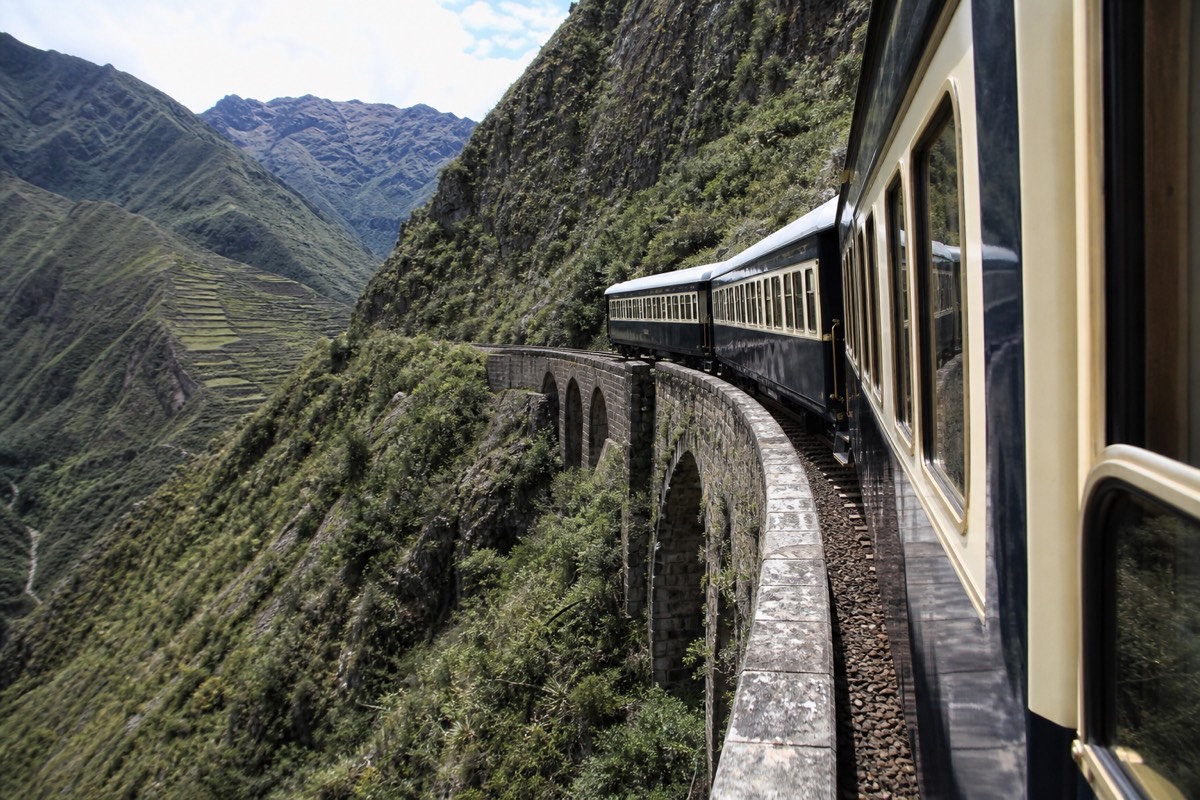
The round-trip is the default because the Hiram Bingham is built as a bookended day: a gourmet brunch and open bar climbing toward the citadel in the morning, then afternoon tea or a four-course dinner and a cocktail on the way back. Split that in half and you lose part of what you are paying for. Still, the one-way option exists for a reason. Some travellers spend a night in the valley, ride a panoramic daytime train up, and treat the Hiram Bingham as a celebratory return. Others do the reverse. If that appeals, read up on the Vistadome first so you know what the cheaper leg feels like.
| Option | Around what you pay | Notes |
|---|---|---|
| One-way Hiram Bingham | ~$500 to $660 | Rarely booked alone; used to pair with a daytime train in the other direction |
| Round-trip Hiram Bingham | ~$1,000 to $1,200+ | The standard way to ride; roughly a 10% saving over two one-ways |
| All-inclusive day bundle | ~$1,580 | Round-trip plus entrance, guided visit and transfers as one booking |
Whichever way you book, the departure end matters for both time and cost, so it helps to know how the Poroy and Ollantaytambo stations differ before you lock a date.
What drives the price so high?
Four things set this fare. The line is single-track mountain rail with no competing road, so seats are scarce and slow to add. The service is genuinely all-inclusive, with full meals, a bar car and live music. There is no road to Aguas Calientes at all, so the train is the only wheeled way in. And the Hiram Bingham runs just a few days a week with one departure each way, which keeps capacity tight.
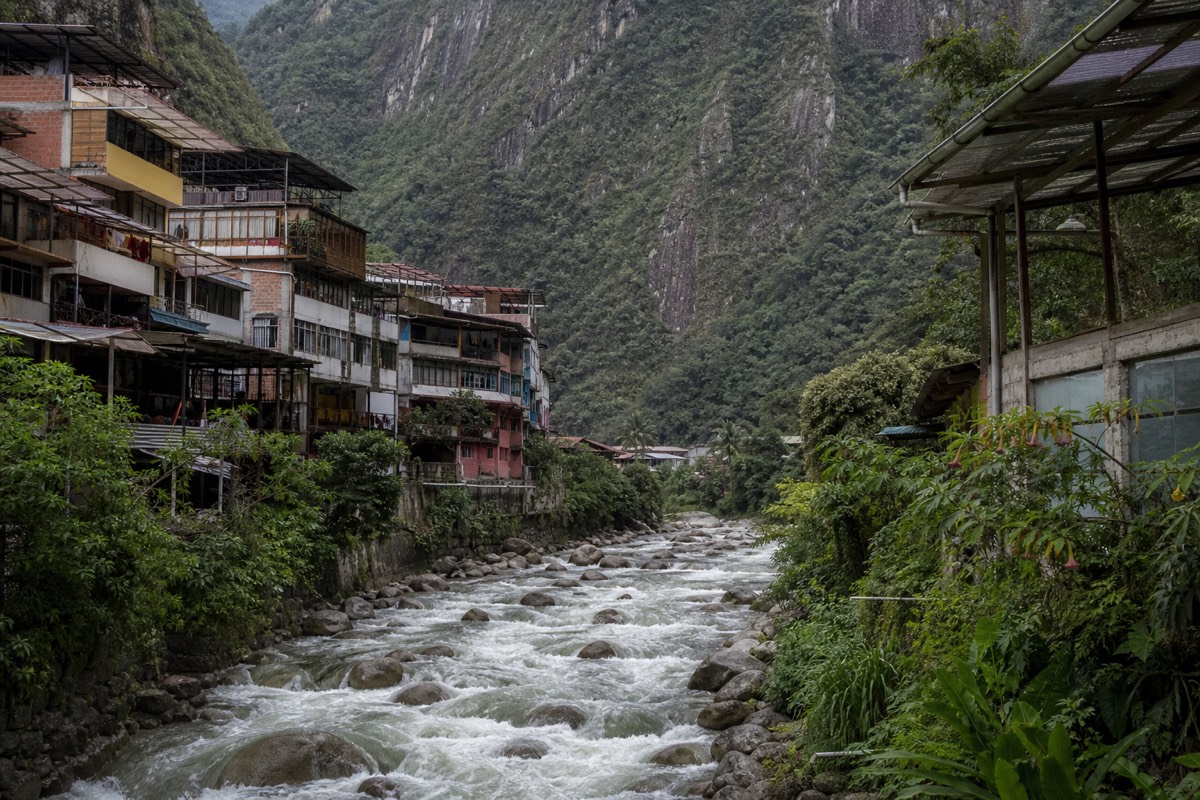
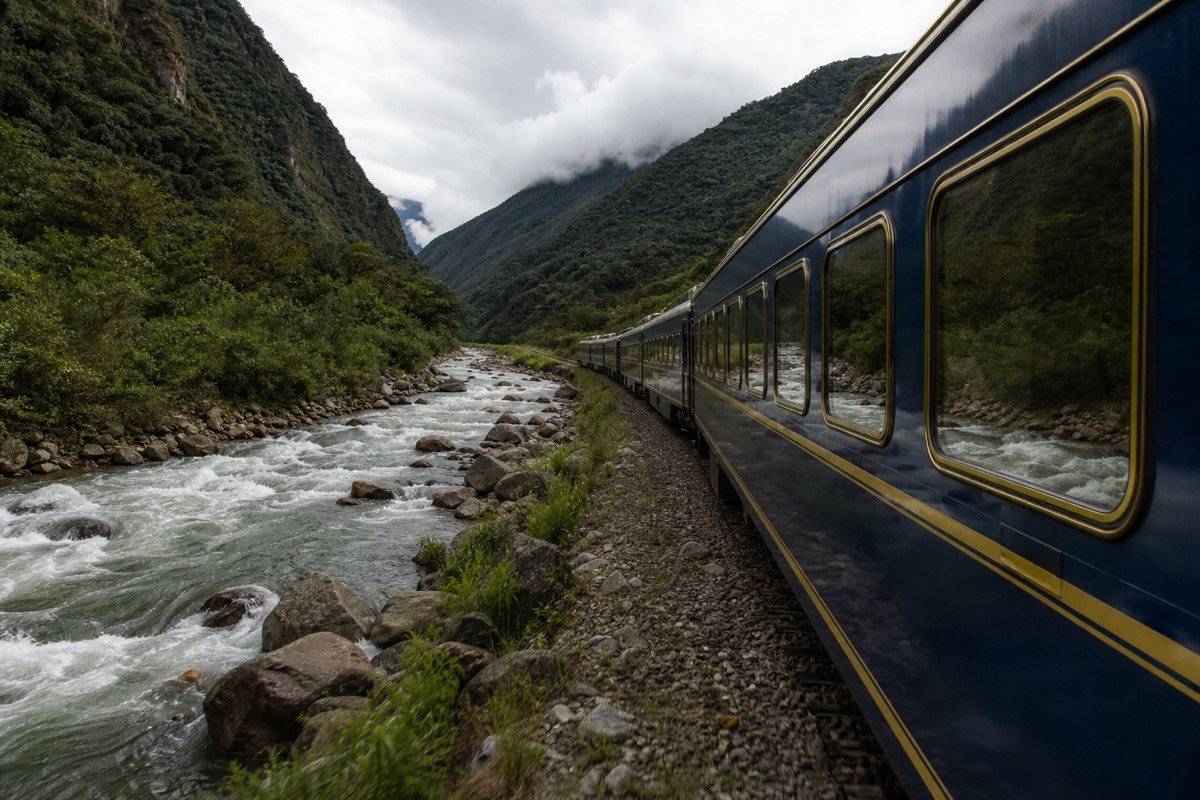
Start with the geography. There is no highway to the town below Machu Picchu. You reach it on foot, by trek, or on the rails that hug the Urubamba river through a gorge too steep for a road. That single-track line carries every visitor who is not walking, which hands the railway a rare kind of pricing power. It is the core of any honest answer to why PeruRail is so expensive.
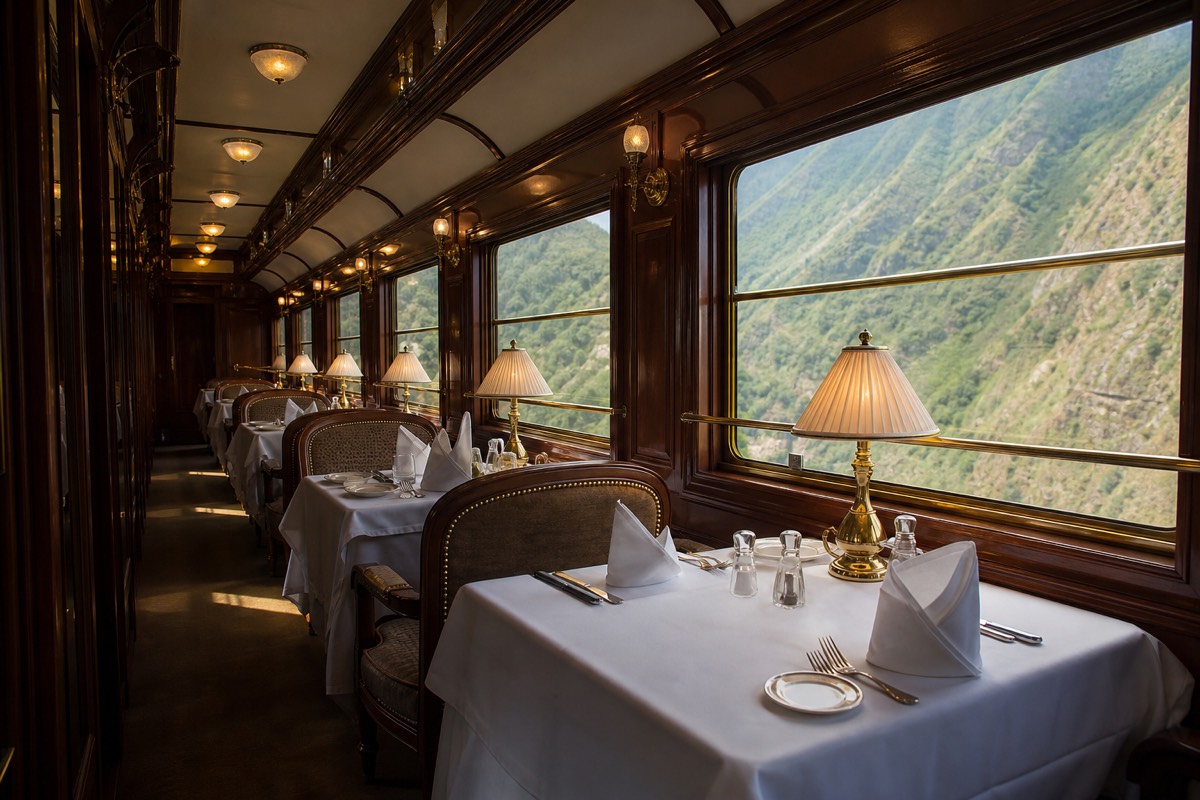
Then layer on the service. The Hiram Bingham is a restored Pullman-style train with dedicated crew per carriage, linen and fine china, an observation and bar car, and a kitchen turning out real meals rather than a trolley of snacks. That costs money to run per passenger, and the train carries far fewer passengers per departure than the Vistadome or the Expedition. Add a schedule of only three to four days a week, one departure in each direction, and peak dry-season demand that sells the whole thing out months ahead, and the price writes itself.
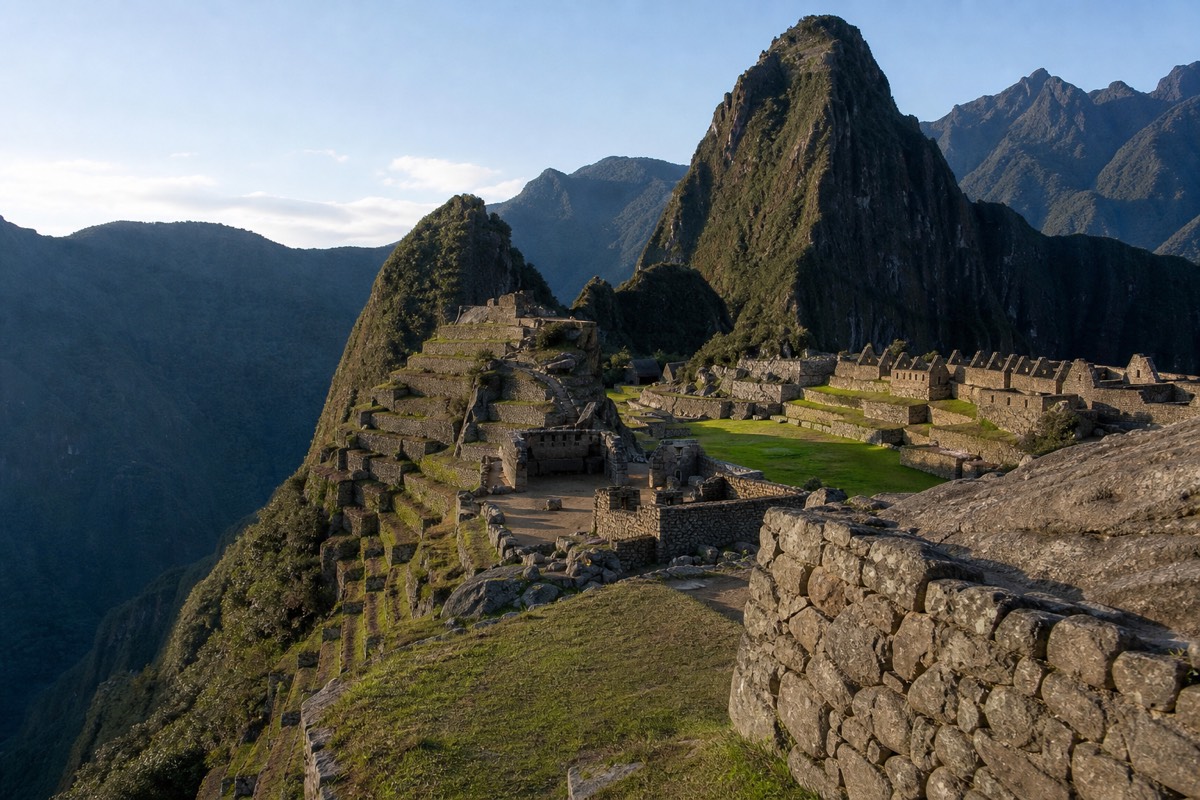
There is a heritage-cost layer too. Machu Picchu is a UNESCO World Heritage site with a capped number of daily entries and a permit system run by Peru's Ministry of Culture (whc.unesco.org). That cap keeps the entrance a scarce, dated resource, which the all-inclusive fare has to secure for every passenger in advance.
What extras still cost money on top?
Even the all-inclusive bundle leaves a few real costs off the sheet. A mountain-climb permit for Huayna Picchu or Machu Picchu Mountain runs around 200 soles, roughly $53. A night in Aguas Calientes can be anything from about $40 to well over $400. Off-train meals, tips for the guide and crew, and a second entrance if you return the next day all sit outside the ticket.
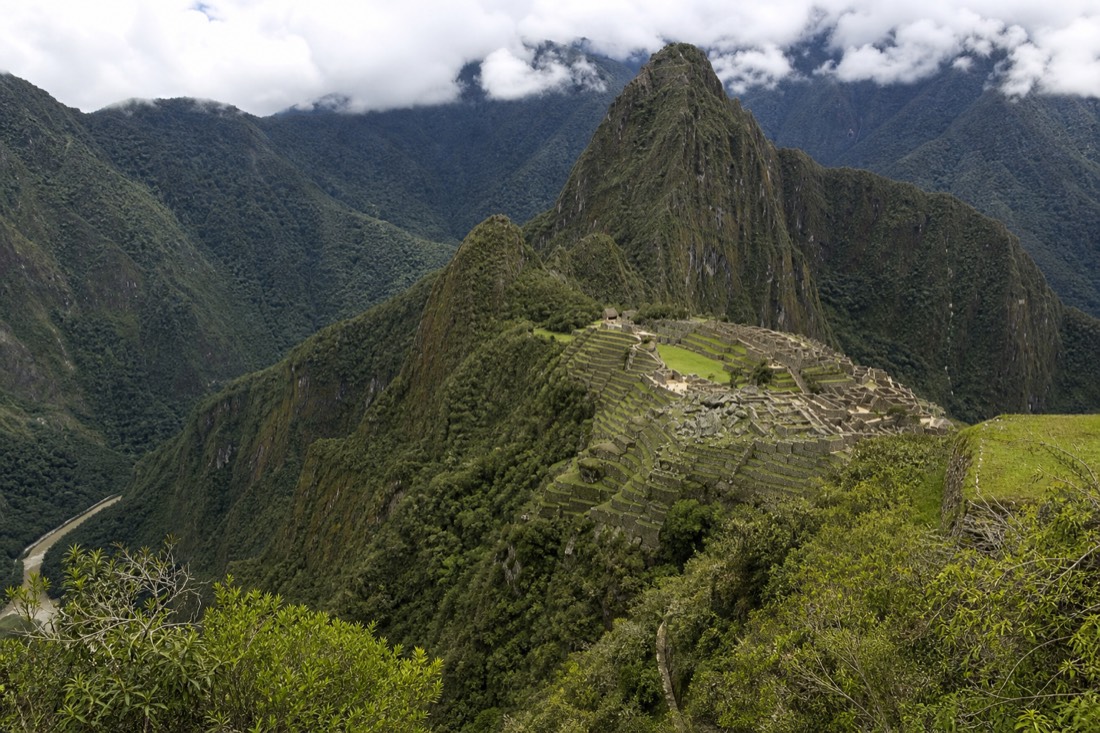
None of these are hidden fees, they are choices. Plenty of travellers ride the Hiram Bingham, do the guided circuit, and go home having spent nothing beyond the bundle and a few tips. But if you want the extra viewpoint from a peak, or a slower two-day visit, budget for it deliberately. The mountain permits in particular sell out early and are tied to a specific dated entrance, so they are not something to add on the day.
| Add-on | Around what it costs (2026) | Worth it for |
|---|---|---|
| Huayna Picchu or Machu Picchu Mountain permit | ~200 soles / ~$53 | Hikers who want the high viewpoint over the ruins |
| Extra night in Aguas Calientes | ~$40 budget to $400+ luxury | Anyone not doing it as one long day |
| Lunch off the train (e.g. Sanctuary Lodge) | ~$50+ | A slower sit-down meal at the ruins |
| Citadel bus if bought separately | ~$24 round-trip, foreign adult | Not needed here; already inside the Hiram Bingham fare |
| Second entrance for a two-day visit | ~$40 per extra entry | Travellers splitting the site across two days |
| Tips for guide and crew | Your discretion | Standard courtesy for good service |
The permit price is the one most tied to which circuit to book, since the mountain climbs are sold as specific circuit-and-peak combinations. If you are unsure which route suits you, the piece on Machu Picchu entrance tickets and the citadel circuits lays the options out.
How does the cost compare with the Vistadome and the Expedition?
On the raw train fare alone, the gap is enormous. A one-way Expedition seat runs around $72 to $82 and a Vistadome about $95 to $122, versus roughly $500 to $660 one-way on the Hiram Bingham. But that is not a fair fight, because the daytime fares are train-only while the Hiram Bingham fare already carries the entrance, the bus and the guide.
To compare honestly, you have to add the extras back onto the cheaper trains. Take a Vistadome round-trip near $200 to $240, add a citadel entrance around $40, the bus about $24 round-trip, and a shared guide, and a self-assembled day still lands far below the Hiram Bingham. The luxury train never wins on price. It wins, if it wins for you, on comfort, food, service and the fact that someone else has handled every moving part. That is the real trade, and it is the heart of the Hiram Bingham versus the Vistadome and Expedition question.
| Service | Around one-way fare | Class | Entrance, bus and guide included? |
|---|---|---|---|
| Expedition | ~$72 to $82 | Basic tourist | No, buy each separately |
| Vistadome | ~$95 to $122 | Panoramic premium | No, buy each separately |
| Hiram Bingham | ~$500 to $660 | Luxury, all-inclusive | Yes, folded into the fare |
So the sticker gap between the trains overstates the real gap in total spend, but it does not close it. If your priority is reaching the citadel cheaply, a daytime train plus a separate entrance is the answer. If the journey itself is the point, the Hiram Bingham is the only one built for it. Anyone choosing purely on getting to Machu Picchu by train, rather than on the onboard experience, will almost always be happier and richer on the Vistadome.
What will the whole trip cost, not just the train?
Once you add lodging, city nights, meals off the train and transfers, a two-day Machu Picchu trip built around the Hiram Bingham bundle tends to land somewhere near $2,000 to $2,100 per person at a mid-range comfort level. The train is by far the largest single line, which is exactly why deciding on it first makes the rest of the budget easy to size.
The sample below is one realistic shape, not a fixed quote. Trim the Cusco nights, skip the mountain permit, or share a room and it drops. Add a luxury hotel or a private guide and it climbs. What stays constant is the proportion: the luxury day dominates, and everything else is comparatively small change around it.
| Line item | Around what you pay |
|---|---|
| Hiram Bingham day (this bundle) | ~$1,580 |
| Night in Aguas Calientes (mid-range) | ~$120 |
| Cusco hotel, 2 nights | ~$180 |
| Meals off the train, 2 days | ~$60 |
| City and airport transfers, tips | ~$60 |
| Optional mountain permit | ~$53 |
| Estimated total | ~$2,000 to $2,100 |
Two budget notes worth planning around. First, altitude. Cusco sits at 3,399 metres and Aguas Calientes far lower at 2,040 metres, so most people spend a night or two acclimatising in the city before the trip, and those nights belong in the budget. If the altitude in Cusco is new to you, read up on managing soroche before you arrive. A third way to spend those acclimatisation days without just waiting them out is to travel to Cusco overland in the first place: hop-on hop-off networks like Peru Hop (check prices here) connect Lima, Arequipa and Puno to Cusco over several days, with hotel pickup and an English-speaking host on board, so the ascent and the sightseeing happen at the same time instead of costing you extra hotel nights. Second, some travellers prefer to skip the overnight entirely and do the whole thing as a day trip to Machu Picchu from Cusco, which cuts the lodging lines but makes for a very long day.
How do currency, season and booking timing change the price?
The fare is set in a mix of US dollars and Peruvian soles, so the number you see shifts a little with the exchange rate on the day you book. Season matters more. Dry-season months from June to August carry the firmest prices and sell out first, while the service runs a roughly May-to-December season and typically pauses in the early months of the year. Booking early does not always lower the fare, but it is the only way to get the date you want.
Because the Hiram Bingham has one departure each way on the days it runs, and far fewer seats than the daytime trains, availability, not haggling, is the real constraint. There is no meaningful last-minute discount. If anything, the closer you book to a peak date, the worse your options. Reports for 2026 put the service on a May-through-December calendar with the train not operating across roughly the first months of the year, so always confirm your exact date against PeruRail before you build a trip around it. This is also where the best time to visit Machu Picchu overlaps with cost: the clearest dry-season skies and the highest prices arrive together.
| Months | Season | Demand and price pressure | Availability |
|---|---|---|---|
| Jan to Apr | Green, wettest | Service often paused early in the year; confirm dates | Limited or not running |
| May | Shoulder | Season opens, prices firm up | Good |
| Jun to Aug | Dry peak | Highest demand, sells out months ahead | Book far ahead |
| Sep to Oct | Shoulder | Good weather, easing crowds | Good |
| Nov to Dec | Wetter, holidays | Mixed; holiday dates spike | Moderate |
The practical takeaway is simple. Weighing the dry season versus the wet season is really a decision about crowds and clear photos, not about saving money on the train. The fare barely bends. Your date does.
Is the Hiram Bingham worth the money?
It is worth it if the journey itself is part of the trip you are paying for, and it is poor value if you only want to stand in the citadel. The train justifies its price for travellers who want comfort, a real meal, a bar car and every logistic handled, ideally on a milestone trip. Anyone treating the ride as pure transport will feel the cost and should take a daytime train instead.
Our team at Hiram Bingham Train Tickets books this exact day for travellers every week, and the pattern is consistent. The people who love it wanted an occasion, not just a ticket: an anniversary, a bucket-list Peru trip, a once-in-a-lifetime arrival at a wonder of the world. They value walking off the train relaxed and fed, with the guide waiting and nothing left to arrange. For them the roughly $1,580 buys a day they remember, and the fact that the entrance, transfers and guiding are already inside the fare removes the fiddly parts.
The people who regret it usually chose it for the wrong reason. If your real goal is to see the ruins and get back cheaply, the maths never favours luxury rail. A round-trip Vistadome, a separate entrance and a shared guide deliver you to the same terraces for a fraction of the price, and the extra hours of comfort do not change what you see. There is no shame in that choice, and if you want to see how much you'll pay going the leaner route, the daytime trains are the place to start. Spend the luxury money only if the train is a destination in its own right.