How Much Does the Hiram Bingham Train Cost? (2026)
The fare is only the start of the bill. Two prices get quoted for the Belmond Hiram Bingham, then hotels, altitude nights and extras stack on top. Here is what the whole trip really costs, with worked budgets from lean to luxury.
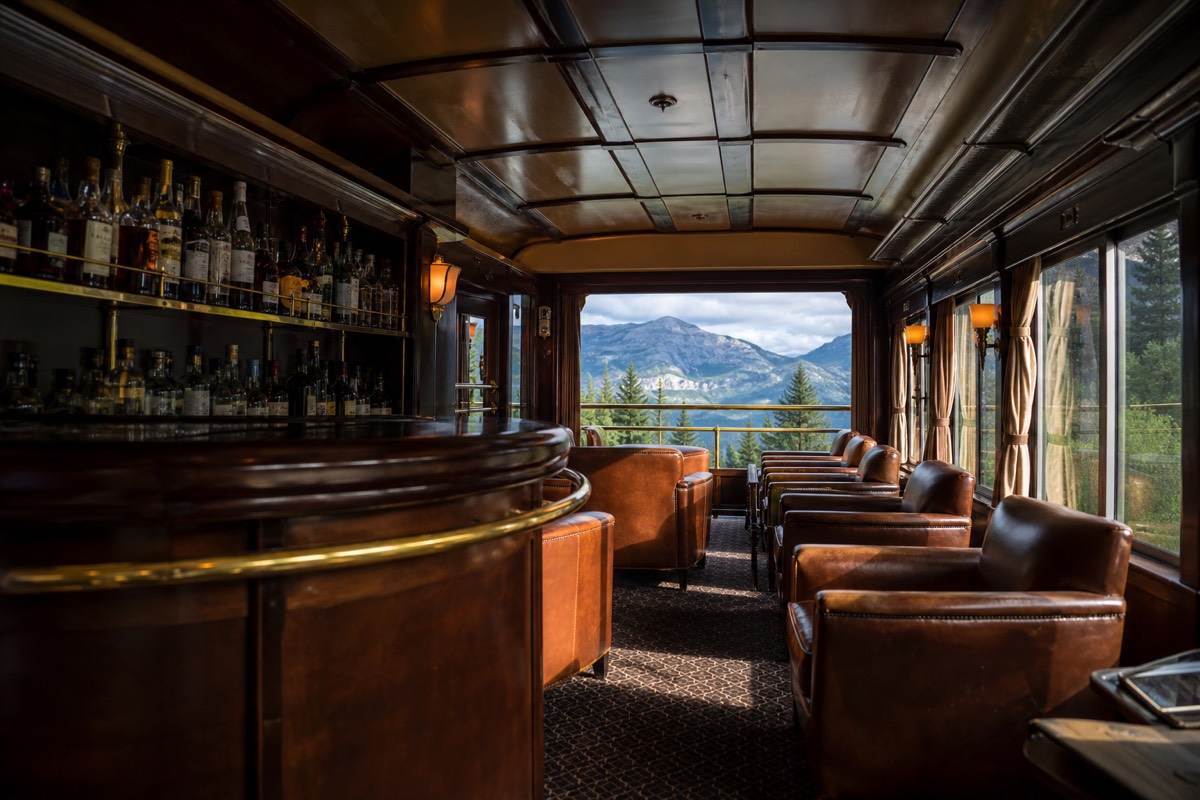
How much does the Hiram Bingham train cost, all in?
Two headline numbers get quoted. PeruRail's bare Belmond Hiram Bingham fare runs round-trip around $1,000 to $1,200 or more, with one-way seats near $500 to $660. The all-inclusive day featured here is one package priced around $1,580 per person. What travellers actually spend on the whole trip usually lands higher once the other days are counted.
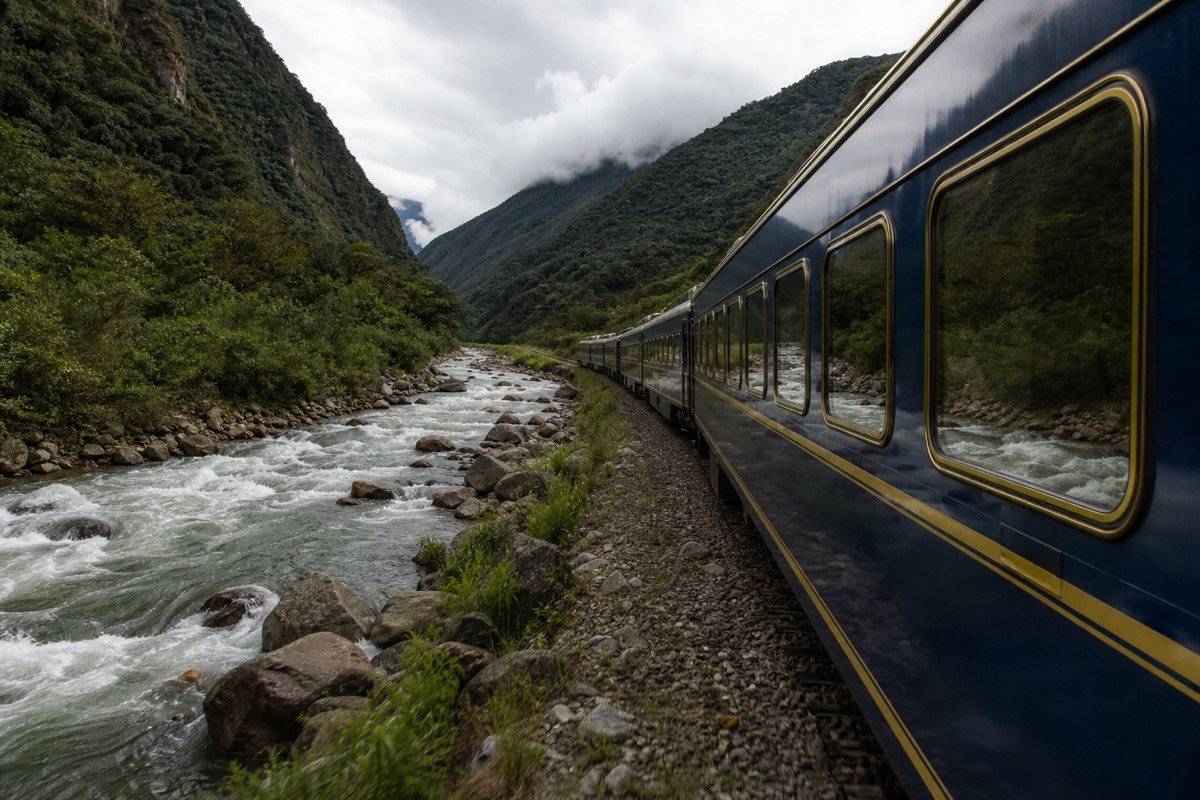
People come to this page wanting one clean figure and leave realising there isn't one. The train is the largest single line on the bill, but it is not the whole bill. Hotels, the nights spent getting used to the altitude, meals off the train, tips and the odd add-on all stack on top of the ticket. This piece is about that fuller number, the one you actually hand over, rather than the price on the seat alone.
For the ticket dissected line by line, with every inclusion and the season-by-season view, our full fare breakdown does the deep work. Here we zoom out to the trip: what a real day at Machu Picchu costs from the leanest version to the luxury one, and where the money quietly leaks along the way.
| What you are pricing | Around what it costs |
|---|---|
| One-way Hiram Bingham fare | ~$500 to $660 |
| Round-trip Hiram Bingham fare | ~$1,000 to $1,200+ |
| All-inclusive day bundle (this listing) | ~$1,580 per person |
Read those as a map, not a receipt. Every figure moves with the season, the date and the exchange rate, so the live listing or the official site is the only place the number for your exact travel day appears.
What does a Machu Picchu trip actually cost, from cheapest to Hiram Bingham?
There is a wide spread. A bare-bones day trip on the cheapest train can come in near $250 to $400 all in. A comfortable two-day visit on a panoramic daytime train tends to land around $500 to $800. The Hiram Bingham as an all-inclusive day sits near $1,580, and a full two-day trip built around it usually reaches $1,900 to $2,200 per person.
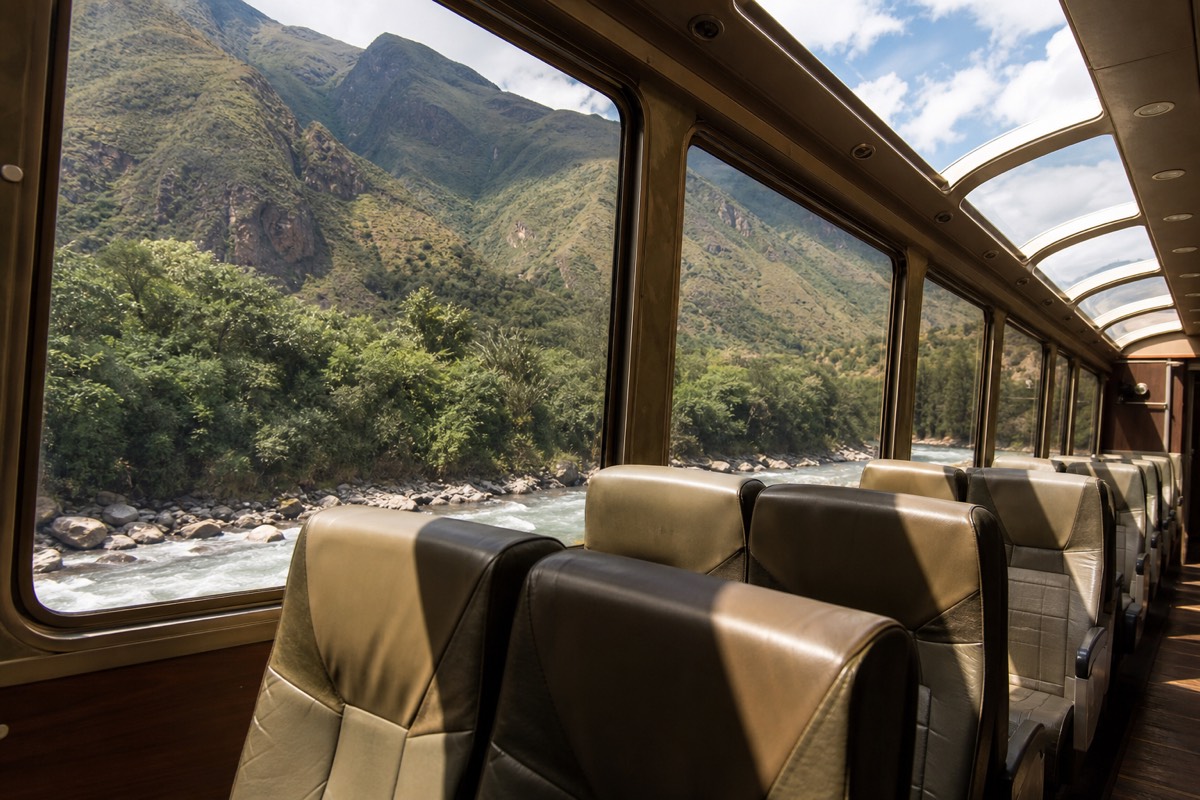
The gap between the bottom and the top of that range is not really about the ruins. Everyone stands on the same terraces and sees the same wonder. What separates $300 from $2,000 is comfort, time, and how much of the planning someone else absorbs on your behalf. The table below shows three honest shapes of the trip, so you can see where the Hiram Bingham fits rather than judging it against one cheaper number in isolation.
| Way to do it | Train | Roughly the trip total, per person | Shape |
|---|---|---|---|
| Leanest | Expedition, day trip | ~$250 to $400 | One very long day, no luxury, self-organised |
| Mid-range | Vistadome, two days | ~$500 to $800 | Panoramic ride, a night below the ruins, your own guide |
| Luxury | Hiram Bingham bundle | ~$1,900 to $2,200 | Two days, meals, bar, guide and transfers handled |
Those totals assume a mid-range hotel and normal spending, not the cheapest hostel bunk or a five-star suite. If you would rather see the whole thing in a single day, our guide to the day trip to Machu Picchu from Cusco lays out how that compresses the cost while stretching the hours. The luxury row's line-by-line detail lives in the fare breakdown, so this page sticks to the wider view.
It helps to see what fills the middle tier, since that is where a lot of independent travellers land. A two-day Vistadome trip usually means a round-trip panoramic fare near $200 to $240, a Machu Picchu entrance about $45, the bus about $24 round trip, a night in Aguas Calientes from $80 to $150, a shared guide, and meals you pay for yourself. None of it is luxury, but you sleep below the ruins, ride a far nicer train than the Expedition, and set your own pace. That mix is why the mid-range trip clears the budget day without ever approaching the Hiram Bingham.
Worked example: a budget day next to a luxury day
Put a self-organised Expedition day trip beside the Hiram Bingham day and the difference turns concrete. The budget day totals roughly $260 to $320 once the train, entrance, bus, a shared guide and food are added up. The Hiram Bingham day folds all of those into one price near $1,580, then adds full meals, an open bar and every transfer on top.
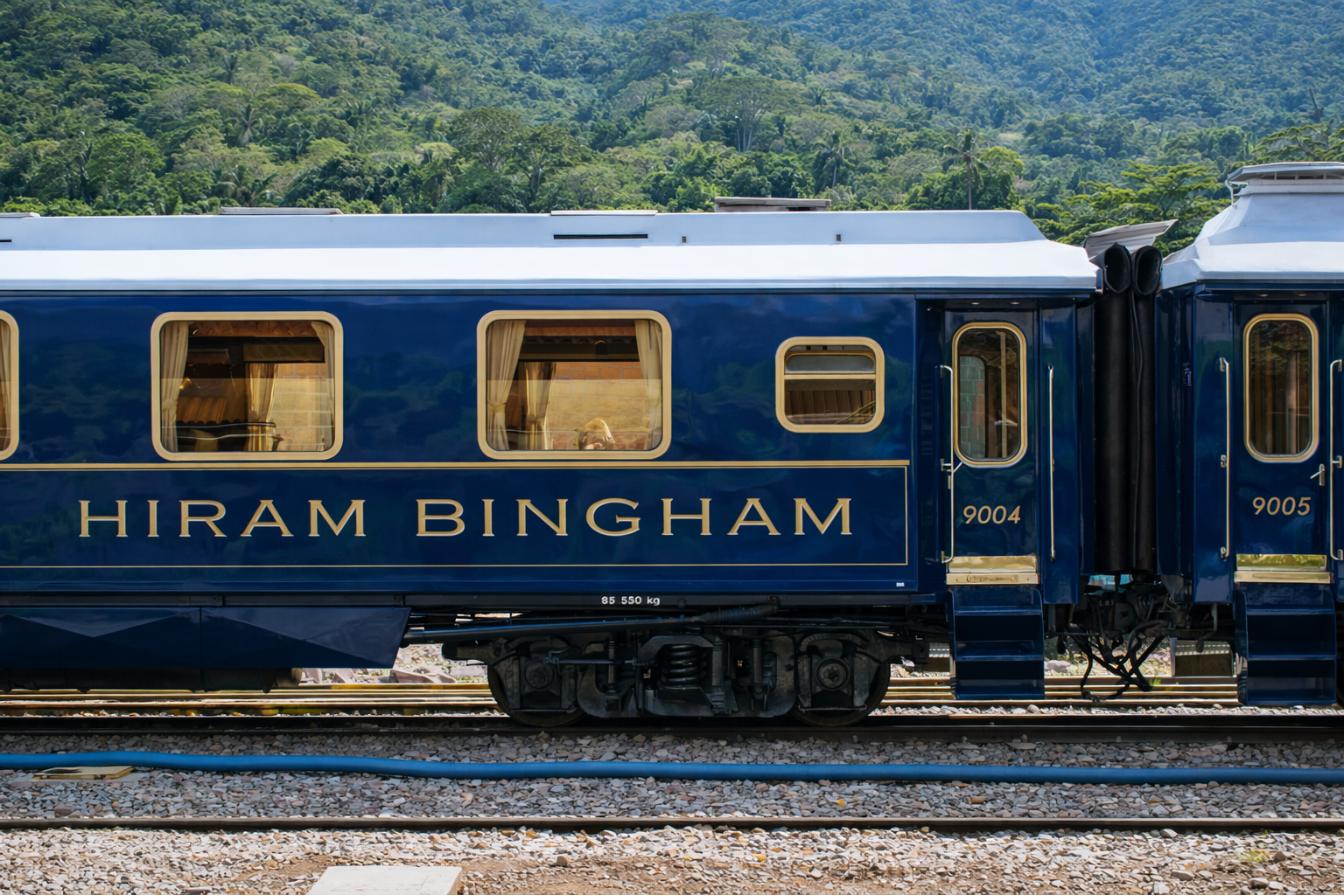
Neither column is wrong. They answer different questions. One asks how cheaply you can reach the citadel and get home again; the other asks how good the day itself can be made. Seeing them line by line is the clearest way to judge what the extra money actually buys, which turns out to be the ride and the service rather than the destination.
| Line item | Budget day (Expedition) | Hiram Bingham day (bundle) |
|---|---|---|
| Train | ~$140 to $160 round trip | Included |
| Machu Picchu entrance | ~$45 (about 152 to 163 soles) | Included |
| Bus up and down | ~$24 round trip | Included |
| Guide | ~$20 to $40, shared | Included |
| Meals and drinks | ~$20, you buy | Brunch, tea, dinner, open bar |
| Transfers to the station | ~$10, arranged yourself | Private coach, both ways |
| Roughly | ~$260 to $320 | ~$1,580 |
The budget day works, and plenty of travellers do exactly that. It is also a long, self-managed effort with early starts and a separate booking for each piece. If you want to weigh the middle ground, it pays to compare the trains, since a round-trip Vistadome buys a far nicer ride than the Expedition without approaching the luxury fare.
What does the ~$1,580 cover, and where does the entrance fit?
The all-inclusive bundle covers the round-trip luxury train, the Machu Picchu entrance, the private bus up to the citadel, a guided visit and the hotel and station transfers, all as one booking. That last point about the entrance matters, because on the bare train fare the citadel permit is the one piece you cannot take for granted.
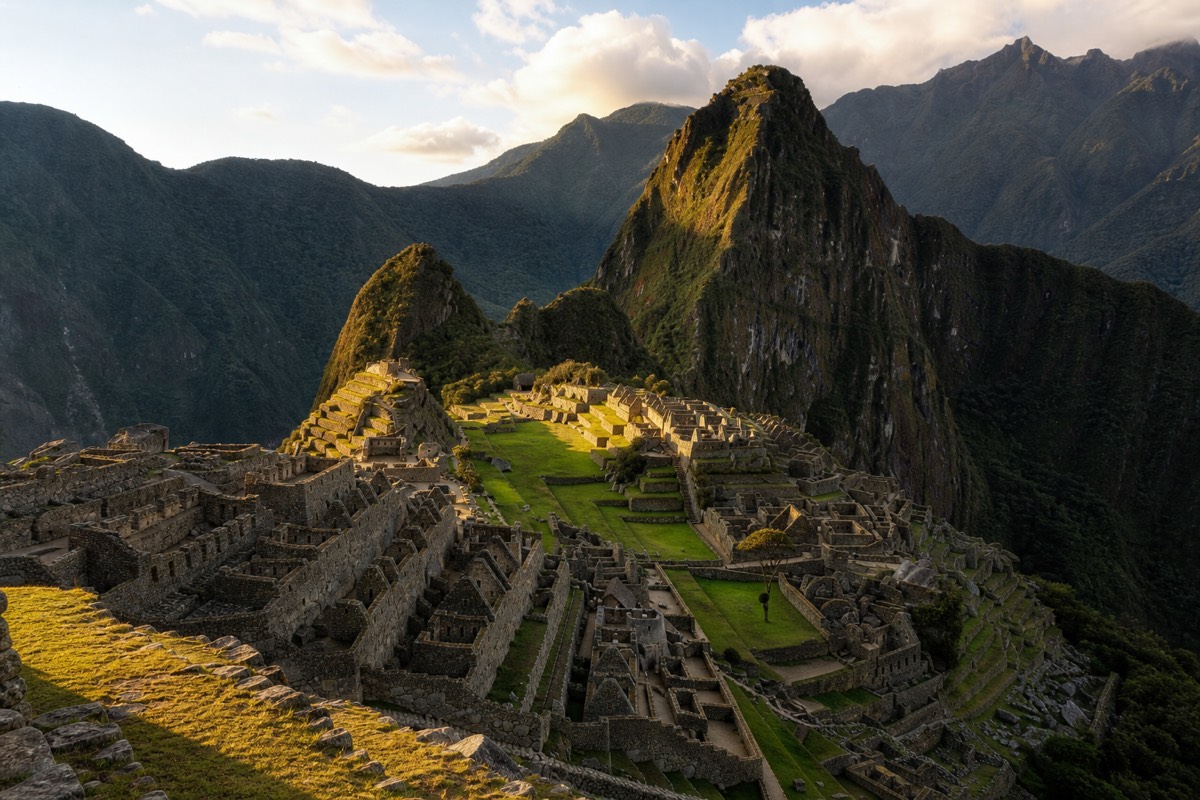
Here is the nuance that trips people up. Belmond's own page for the train states plainly that a Hiram Bingham train ticket "does not guarantee entry to Machu Picchu," since the entrance is a separate, dated permit issued by Peru's Ministry of Culture (belmond.com). The onboard experience, the bus and the guide travel with the fare, but the entrance itself has to be secured alongside it. What the packaged day does is remove that risk: it books the permit for you, so the whole thing arrives as one confirmed price.
The bundle's real product is certainty. It locks in the one scarce, dated thing, your Machu Picchu entrance, then wraps the train, bus, guide and transfers around it so nothing is left to arrange on the morning of your visit.
That is also why comparing the bundle to a bare fare quoted on a third-party page can mislead. The listing on this site already carries the entrance, the guide and the transfers, alongside the gourmet meals and onboard entertainment that PeruRail describes on its own service page (perurail.com). If you are still working out which circuit to book, or how the Machu Picchu entrance tickets are structured, the entrance is precisely the part the bundle settles for you without another purchase.
What hidden extras catch people out?
Even the all-inclusive bundle leaves a few real costs off the sheet. A mountain-climb permit runs about 200 soles, roughly $53. A conservation surcharge added from May 2026 puts a few more soles on the entrance. Then come extra hotel nights, the Cusco nights most people need to acclimatise, meals off the train, tips, and a second entrance if you return the next day.
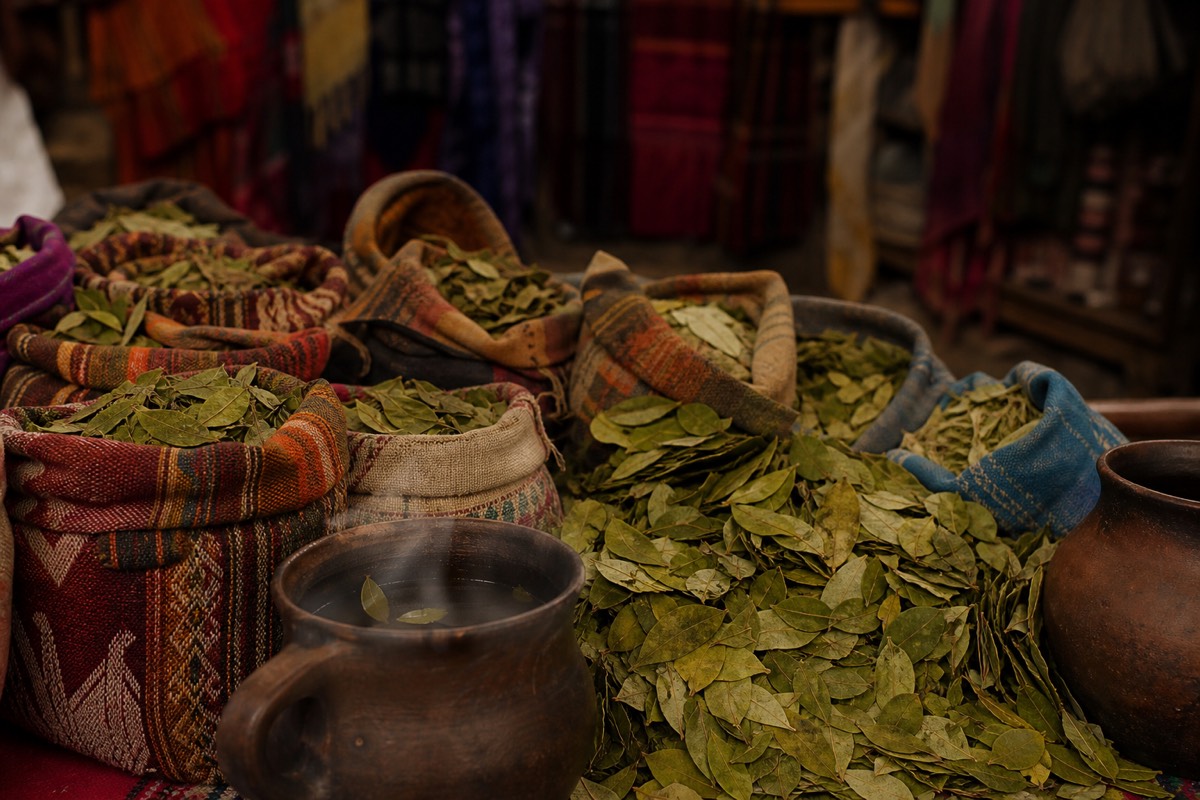
None of these are traps, they are choices, but they are the reason a trip planned around the headline fare alone comes in over budget. The altitude one catches the most people. Cusco sits at 3,399 metres, and dropping straight into that height is one of the fastest ways a Machu Picchu trip goes wrong in the first days, so most travellers spend a night or two easing into it first. Reading up on altitude sickness in Cusco before you book turns those extra nights from a nasty surprise into a line you planned for.
| Extra | Around what it costs | When it hits |
|---|---|---|
| Mountain permit (Huayna Picchu or Machu Picchu Mountain) | ~200 soles / ~$53 | If you climb a peak for the high view |
| Conservation surcharge from May 2026 | ~+11 soles / ~$3, foreign adults | On entries from 1 May 2026 |
| Nights in Cusco or the valley to acclimatise | ~$80 to $200+ | Almost everyone, for the altitude |
| Extra night in Aguas Calientes | ~$40 budget to $400+ luxury | If you are not doing one long day |
| Meals and drinks off the train | ~$20 to $60 | On the non-train days |
| Second entrance for a two-day visit | ~$45 per extra entry | Splitting the site over two days |
| Tips for guide and crew | Your discretion | Standard courtesy for good service |
The mountain permit is the extra most tied to timing, because the climbs are sold as specific circuit-and-peak combinations and they sell out early. If a peak matters to you, sort the entrance tickets and the citadel circuits first, then let the train date follow rather than the other way round.
One quiet detail changes how these extras feel. The entrance, the bus and the mountain permits are priced in Peruvian soles, while the train and any bundle are usually quoted in US dollars. Paying by card in soles can carry a conversion or foreign-transaction fee, and airport exchange counters give poor rates, so a little cash in soles for the on-the-ground costs often works out cheaper than tapping a card for each one. It is a small saving on its own, but the kind that adds up across a multi-day trip.
How do currency, season and booking timing move the price?
The fare is set in a mix of US dollars and Peruvian soles, so the number shifts a little with the exchange rate on the day you book. Season matters more than currency. Dry-season dates from June to August carry the firmest prices and sell out first, and there is no meaningful last-minute discount, so booking early secures your date rather than a lower fare.
Because the Hiram Bingham runs only a few days a week with one departure each way, and far fewer seats than the daytime trains, availability rather than haggling is the real constraint. The closer you book to a peak date, the worse your options get, and prices never soften in the final weeks. That makes timing less about chasing a deal and more about locking the day you want. It also overlaps with weather: the best time to visit Machu Picchu, with the clearest dry-season skies, is exactly when demand and prices run highest, so the dry season versus the wet season choice is really about crowds and photos, not about saving money on the train.
| When you book | Peak dry-season date (Jun to Aug) | Green-season date |
|---|---|---|
| Six or more months out | Best availability, firm price | Wide open |
| Two to three months out | Tightening, top dates going | Usually fine |
| Under a month | Often sold out | Sometimes possible |
| Same week | Rare, and no discount | Limited, no discount |
The takeaway is short. Treat the price as fixed and the date as the scarce thing. Confirm the exact figure on the live listing when you are ready, since that number reflects your travel day, the season and the current conversion, and nothing quoted elsewhere can.
Is it worth what you will pay, next to the cheaper ways in?
It is worth it when the day itself is the point, and poor value when you only want to stand in the citadel. A leaner day trip on the Expedition delivers you to the same ruins for a small fraction of the Hiram Bingham total. The luxury fare buys comfort, food, a bar car and every logistic handled, not a better view of Machu Picchu.
That trade sits at the heart of the decision, and it is the same reasoning behind why PeruRail is so expensive in the first place: a scarce mountain line and a full luxury service both cost real money to run. If your priority is simply getting to Machu Picchu by train and back, a daytime service plus a separate entrance wins on price every time. If you have wondered whether the panoramic train is worth it as a middle path, it very often is, since it lifts the ride well above the basic seat without the luxury bill.
| If your priority is... | Best-value pick | Why |
|---|---|---|
| Reaching the ruins cheaply | Expedition day trip | Same citadel, a fraction of the cost |
| A nicer ride without luxury spend | Vistadome round trip | Panoramic carriages, still affordable |
| The journey being the event | Hiram Bingham bundle | Meals, bar, guide and transfers, all handled |
Where you leave from feeds into this too, since the Poroy and Ollantaytambo stations sit at different distances from Cusco and change how much of the day disappears into the road. None of that alters the ruins. It shifts the experience of reaching them, which is exactly what the top fare is really selling.
So what will you actually pay, and is it worth it?
Budget the trip, not the ticket. The Hiram Bingham day is around $1,580, a full two-day version near $1,900 to $2,200, and the leanest self-run day trip closer to $300. The right number is the one that matches why you are going: an occasion earns the luxury day, while pure sightseeing is better served by a daytime train.
Travellers who love the Hiram Bingham wanted a day to remember. An anniversary, a bucket-list arrival at a wonder of the world, with the meals, the bar and the guiding already inside the fare and nothing left to sort out. Travellers who regret it chose it as transport and felt the cost, because the extra hours of comfort did not change what they saw at the top. Be honest about which one you are, and the price stops being a shock and becomes a decision. When you are ready, you can check live seats, dates and the current all-in figure through Hiram Bingham Train Tickets, and the fare breakdown carries the full set of tables if you want every line accounted for.