How Long Is the Walk to Machu Picchu From the Train?
The train does not pull up at the ruins. It stops in the town on the valley floor, and Machu Picchu is still a climb above you. Here is exactly how far, how long, and how the luxury package handles the last stretch for you.
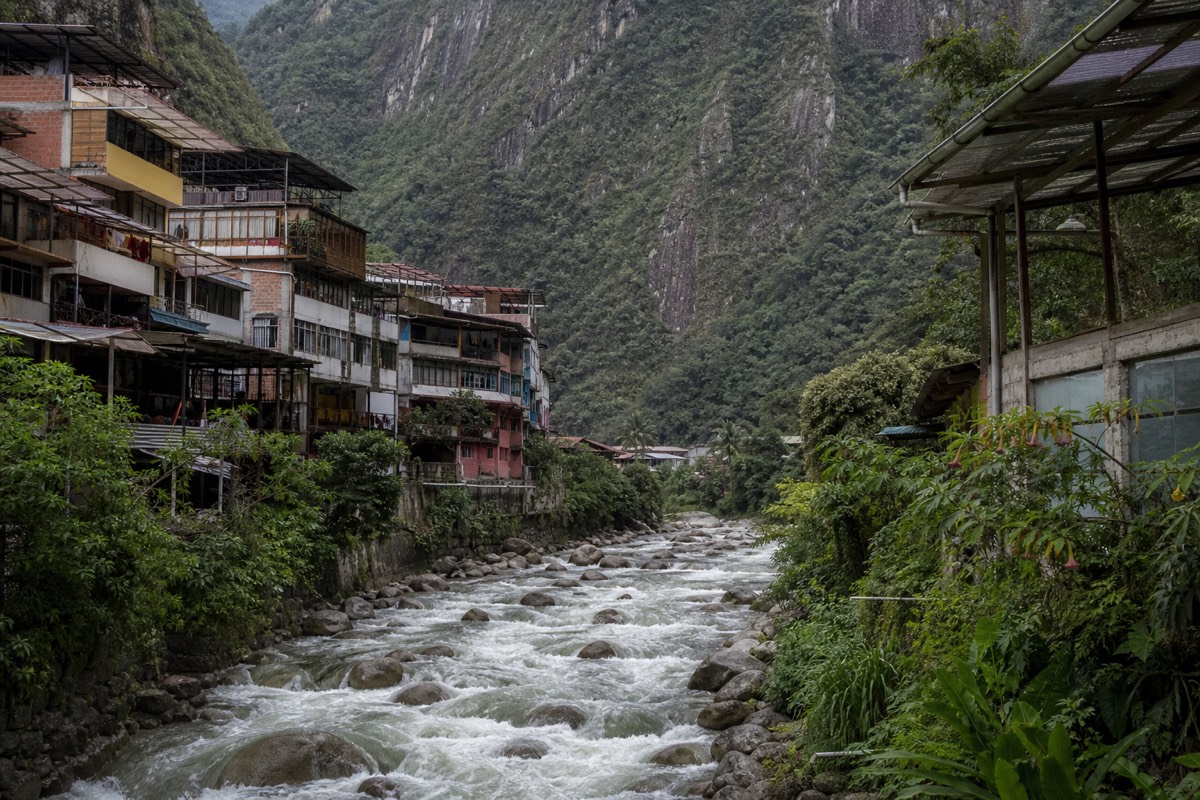
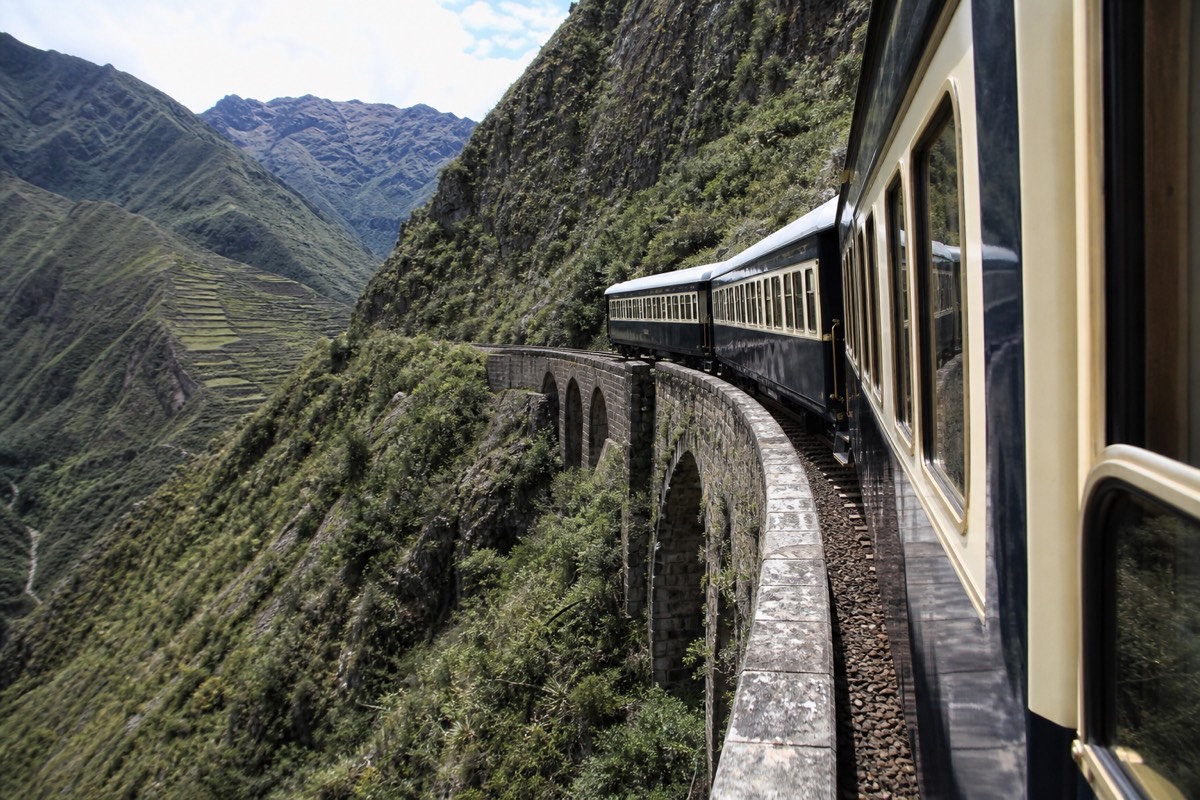
The train does not stop at Machu Picchu. Every service, the Hiram Bingham included, ends at Aguas Calientes, also called Machu Picchu Pueblo, a town on the valley floor at 2,040 metres. The citadel sits about 400 metres higher up the mountain, so there is one more leg to cover: a 25 to 30 minute shuttle bus, or a steep 1.5 to 2 hour climb on foot.
Where does the train actually leave you?
People are often surprised that the famous train ride ends in a town rather than at the gates of the citadel. Aguas Calientes, the small settlement wedged into the gorge below the ruins, is where the tracks stop. Machu Picchu itself is above you, out of sight around the mountain, and reaching it means covering the last stretch and the final few hundred metres of climb by one of two methods: a short bus ride, or your own two legs.
So the honest answer to how long the walk from the station takes depends entirely on which you choose. Most visitors take the bus up and save their energy for the ruins. A smaller, fitter, often more budget-minded crowd walks. Both start from the same part of town, both end at the same entrance gate, and both cover the same rough 400 metres of vertical between the river and the ridge. The table below lays out the geography before we get into timings.
| Point on the route | Elevation | What it is |
|---|---|---|
| Aguas Calientes (train station) | 2,040 m | Where every train ride ends, on the valley floor |
| Citadel entrance gate | About 2,430 m | Roughly 400 m above the town |
| Main viewpoint and guardhouse | About 2,450 m | The classic postcard angle, a short climb inside the gate |
| Sun Gate, Inti Punku (optional) | About 2,720 m | A further hour or so uphill inside the site |
| Huayna Picchu summit (optional) | About 2,700 m | A steep, ticketed extra climb behind the ruins |
How long is the bus ride up to Machu Picchu?
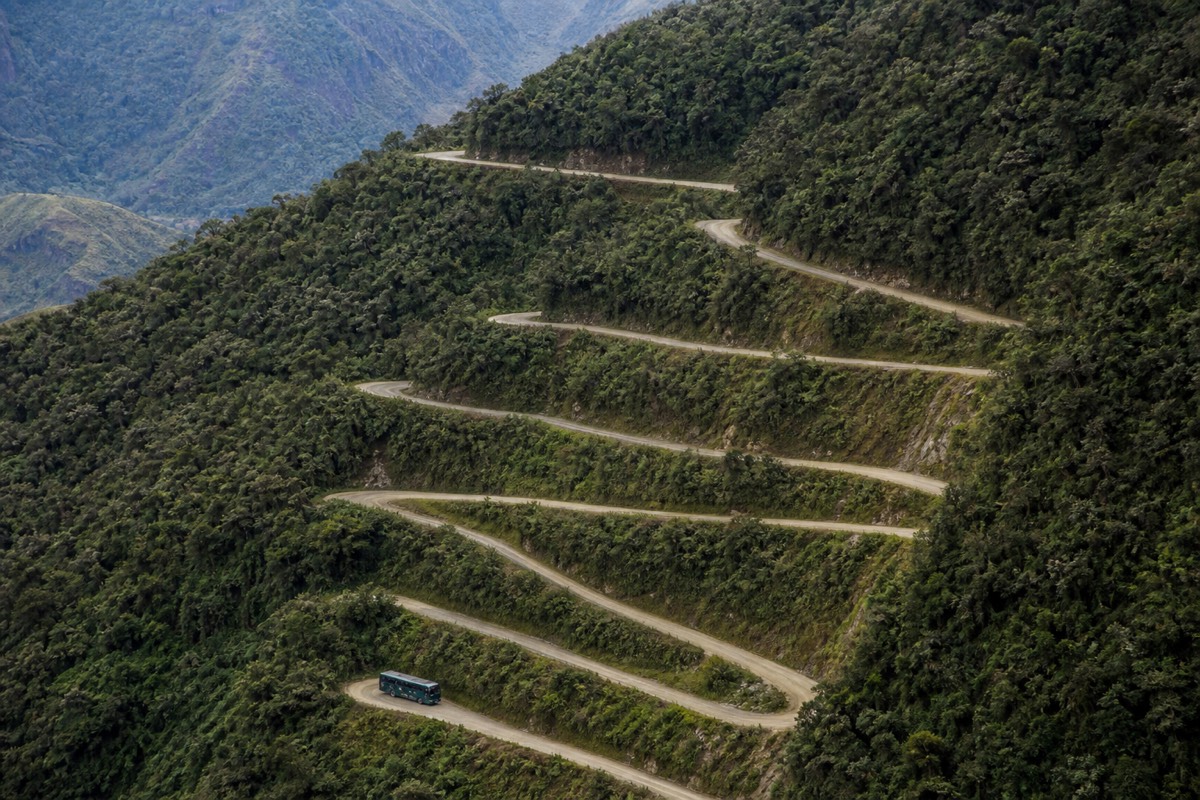
The shuttle bus takes about 25 to 30 minutes from Aguas Calientes up to the citadel gate, with the moving part of the ride closer to 20 to 25 minutes. It climbs a short, steep switchback road, runs at close intervals from early morning, and is how most visitors go up. It leaves your legs fresh for the ruins themselves.
The buses are run by Consettur and leave from a stop beside the river in the centre of town. The road is a set of tight hairpin switchbacks cut into the mountainside, only a few kilometres long but climbing hard the whole way, which is why so short a distance eats almost half an hour. First departures are early, around 5:30 in the morning for anyone chasing the opening entry slot, and they run every ten to fifteen minutes through the day, with the last downhill buses in the evening.
In peak season, roughly the dry months, the morning queue along the riverside street can stretch for a block or more, so plan to join it well before your entry time. The ride itself is not for the nervous: the bus hugs the edge on the way up, and the views open suddenly near the top. If you are timing your visit for the clearest skies, the best time to visit Machu Picchu also happens to be when those queues are longest, so the trade is real.
What does the bus cost, and how do you get a ticket?
The shuttle is priced separately from the train and costs foreign visitors more than locals. Round-trip fares for international travellers have circulated around 24 US dollars, with some recent listings higher, and one-way is roughly half. You cannot buy at the stop first thing in the morning: purchase the afternoon before, at the Consettur office in town, or online in advance.
This catches people out. The Consettur booth sits on Avenida Hermanos Ayar near the bus stop, and the sensible move is to buy your ticket the evening you arrive rather than in the pre-dawn scramble. Buying online ahead of the trip is the other clean option. Either way you avoid standing in two lines at once, one for the ticket and one for the bus.
Prices drift, so treat any figure as a guide and confirm the live Consettur fare before you travel. The one situation where none of this applies is the luxury package: on the Belmond service the bus is already covered, so most of our travellers never see the booth at all. The fare table below is the current shape of it.
| Ticket | Rough fare for foreign adults | How to buy |
|---|---|---|
| Round trip (up and down) | Around 24 US dollars, some listings higher | Consettur office or online, in advance |
| One way (up only, or down only) | Roughly half the round trip | Same, useful if you plan to walk one direction |
| Included with Hiram Bingham | No separate charge | Handled by the package; a guide leads you on |
How long does the walk up take instead?
On foot it is a steep 1.5 to 2 hours uphill, sometimes a touch under for strong walkers. The path leaves Aguas Calientes, crosses the river, then breaks onto a stone staircase, commonly counted at around 1,700 steps, that climbs about 400 metres through cloud forest. It is not technical, but it is genuinely tiring, and most people reach the gate breathing hard.
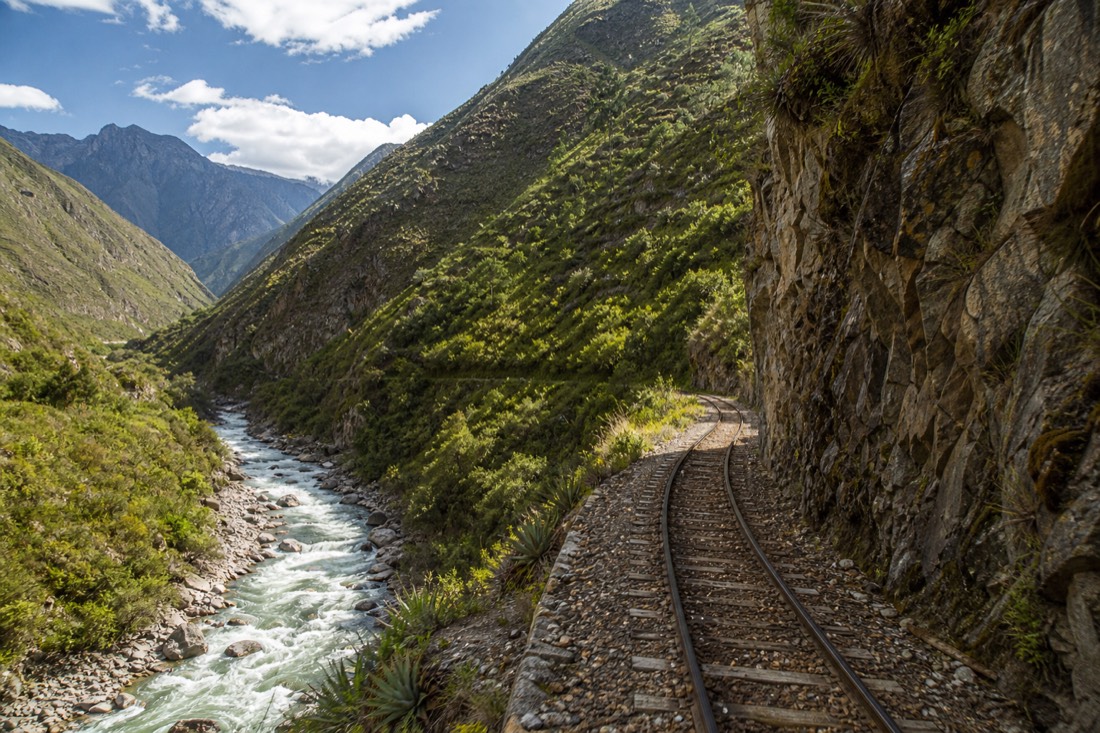
The trail shortcuts the bus road's long switchbacks with flight after flight of stone steps, so you gain height fast and directly. It crosses the road several times on the way up, which is a useful gauge of progress. The surface is uneven and often damp under the forest canopy, so real shoes and water matter more here than the short distance suggests.
Who should walk it? Early risers, travellers on a tight budget, and anyone who likes to arrive under their own steam rather than off a bus. The elevation works in your favour, oddly enough: the climb tops out near 2,430 metres, far below Cusco, so if you have already spent a day or two learning to acclimatise in the city, your lungs will find this easier than anything you did up there. If you have skipped that step, the stairs will let you know.
| Way to the gate | Time | Effort | Cost | Best for |
|---|---|---|---|---|
| Shuttle bus up | About 25 to 30 minutes | None | Paid, or included on Belmond | Saving your legs for the ruins |
| Walk up the stairs | About 1.5 to 2 hours | Steep and tiring | Free | Fit early risers on a budget |
| Walk down the stairs | Around 45 to 60 minutes | Easy on the lungs, hard on the knees | Free | Anyone who bussed up and wants to save the return fare |
Should you ride up, walk up, or walk down?
For most visitors the smart move is to ride the bus up and decide about the descent later. Riding up protects your energy for the site, where you will do most of your real walking. Walking down afterwards is quick and cheap but punishing on the knees, so the popular compromise is bus up, bus down, with walking reserved for those who want it.
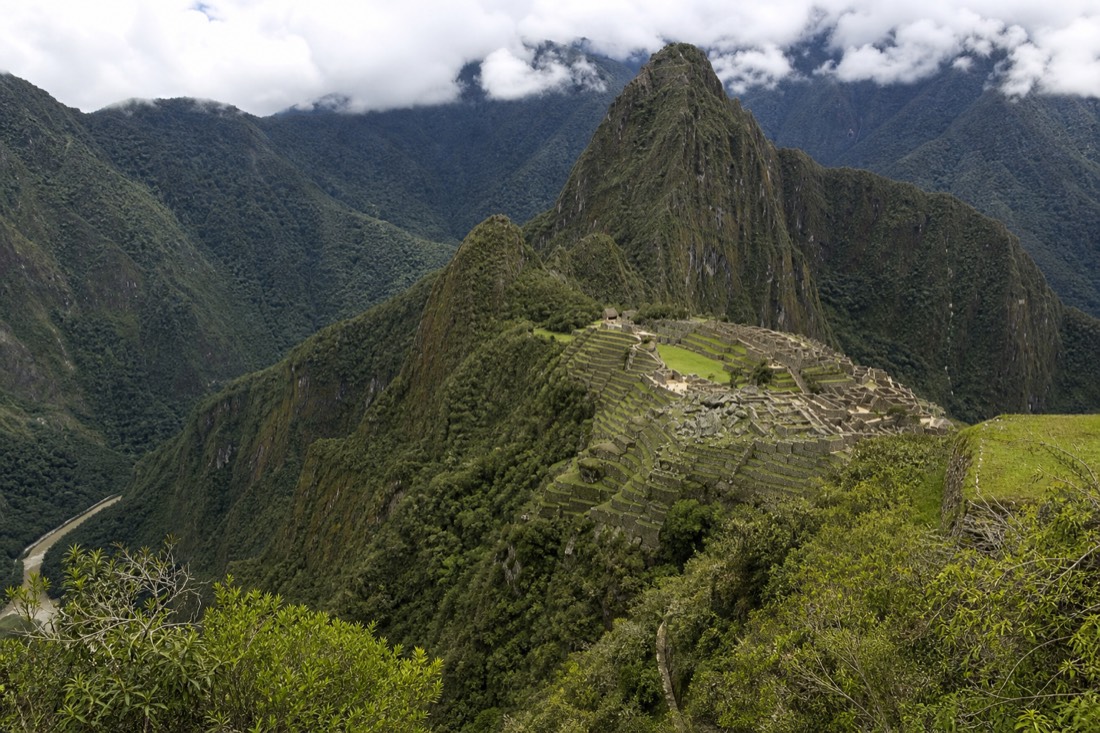
The bus-up, walk-down combination is the sweet spot for a lot of travellers. You arrive fresh, tour the ruins, then take the stairs down in under an hour with gravity helping and nothing to prove. Walking up and bussing down is the reverse choice, favoured by budget walkers who want the climb but not the descent on tired legs.
Fitness, weather and your entry slot all feed the decision. In the wet months the stone steps get slick and the case for the bus grows. If you have an early timed entry, the walk up can eat the very window you booked, so the bus is safer. None of this is a factor on the flagship service, where the transfer both ways is built into the day and a guide simply walks you from platform to bus to gate.
How much walking is there inside Machu Picchu itself?
Plenty, whichever way you reach the gate. The citadel is built across steep terraces linked by hundreds of uneven stone steps, and visits now follow set one-way circuits, so even the shortest route means roughly one to two hours on your feet. The upside: at 2,430 metres the ruins sit well below Cusco, so the climbing feels easier than the city did.
Once through the gate, the visit is all ups and downs, some gentle, some not. Machu Picchu is now toured on fixed circuits that steer you one way between the terraces, temples and viewpoints, and every one of them involves stairs. Which circuit to book changes how much you climb and what you see, so it is worth reading up on the Machu Picchu entrance tickets before you fix a date. The classic upper route delivers the postcard view but adds a climb; the lower routes stay closer to the terraces and ask less of your legs.
Optional add-ons pile on more. The Huayna Picchu peak behind the ruins is a steep, ticketed scramble that adds an hour and a half to two hours round trip, and the walk out to the Sun Gate is a long, steady uphill. None of the standard circuits is beyond an averagely fit visitor who has adjusted to the altitude, and the thicker air down here is forgiving, but go in expecting a good deal of walking inside the site on top of however you climbed to it.
| Route inside the site | Rough time on foot | Effort | What you get |
|---|---|---|---|
| Lower circuit | About 1 to 1.5 hours | Moderate, fewer climbs | The terraces and temples up close |
| Upper circuit with the classic view | About 1.5 to 2.5 hours | More steps, a climb to the viewpoint | The full postcard panorama |
| Huayna Picchu peak (extra ticket) | Plus 1.5 to 2 hours round trip | Steep and exposed | The high view down onto the ruins |
| Sun Gate, Inti Punku (where allowed) | Plus 1.5 hours round trip | Long, steady uphill | The Inca Trail's arrival view of the site |
Can someone with limited mobility manage the last leg?
Honestly, it is hard. The shuttle bus removes the climb up from the town, but the citadel itself is built on stone steps and steep, uneven paths with few handrails, so it is not wheelchair accessible in the usual sense. The lower circuits are the least demanding, and a slow pace with a guide makes a real difference, but full step-free access is not possible.
The bus solves the biggest barrier, the 400-metre climb from Aguas Calientes, and drops everyone at the same gate. Beyond it, the terraces and stairways are five centuries old and were never built for wheels. Travellers with knee, hip or heart concerns tend to do best on the shorter lower routes, taking frequent breaks, and letting a guide set an easy pace and pick the flattest available path.
If mobility is a real concern, the guided flagship day helps in a quiet way: someone who knows the site leads you, chooses a manageable circuit and handles the bus and entry, so you spend your energy on the ruins rather than on logistics. Talk through your needs when you book so the day can be paced for you rather than for the crowd.
How do you time the last leg around your entry slot?
Your Machu Picchu ticket now carries a timed entry slot, so the last leg has to fit around it. Work backwards: allow 30 to 45 minutes for the bus queue and ride, and be at the stop with time to spare. If you are walking up, start about two hours before your slot. Miss the window and entry gets difficult.
The timed-entry system is the thing that trips independent visitors most. It is not enough to reach Aguas Calientes; you have to be at the gate inside your booked slot, and the bus queue is the wildcard. In busy months, joining the line 45 minutes to an hour before you want to board is sensible, not cautious. Walkers should treat the climb as a fixed two-hour block and add a buffer for photos and breath-catching.
This is exactly the kind of choreography the luxury package removes. On the flagship the train, the transfer and the timed entry are lined up for you, and the guide keeps the group on schedule, so there is no mental arithmetic on the platform. The plan below shows the rough shape of a self-organised morning against the guided one.
| Step | Doing it yourself | On the Hiram Bingham |
|---|---|---|
| Bus ticket | Buy the afternoon before or online | Included; nothing to buy |
| Join the bus queue | 45 to 60 minutes before you want to board | Guide leads the group straight through |
| Bus ride up | 25 to 30 minutes | 25 to 30 minutes, as a group |
| Reach the gate for your slot | Your job to time it right | Handled by the guide |
| Enter and tour | Find your circuit and guide, or go alone | Guided visit on an included ticket |
Do you have to sort the bus and entry yourself on the Hiram Bingham?
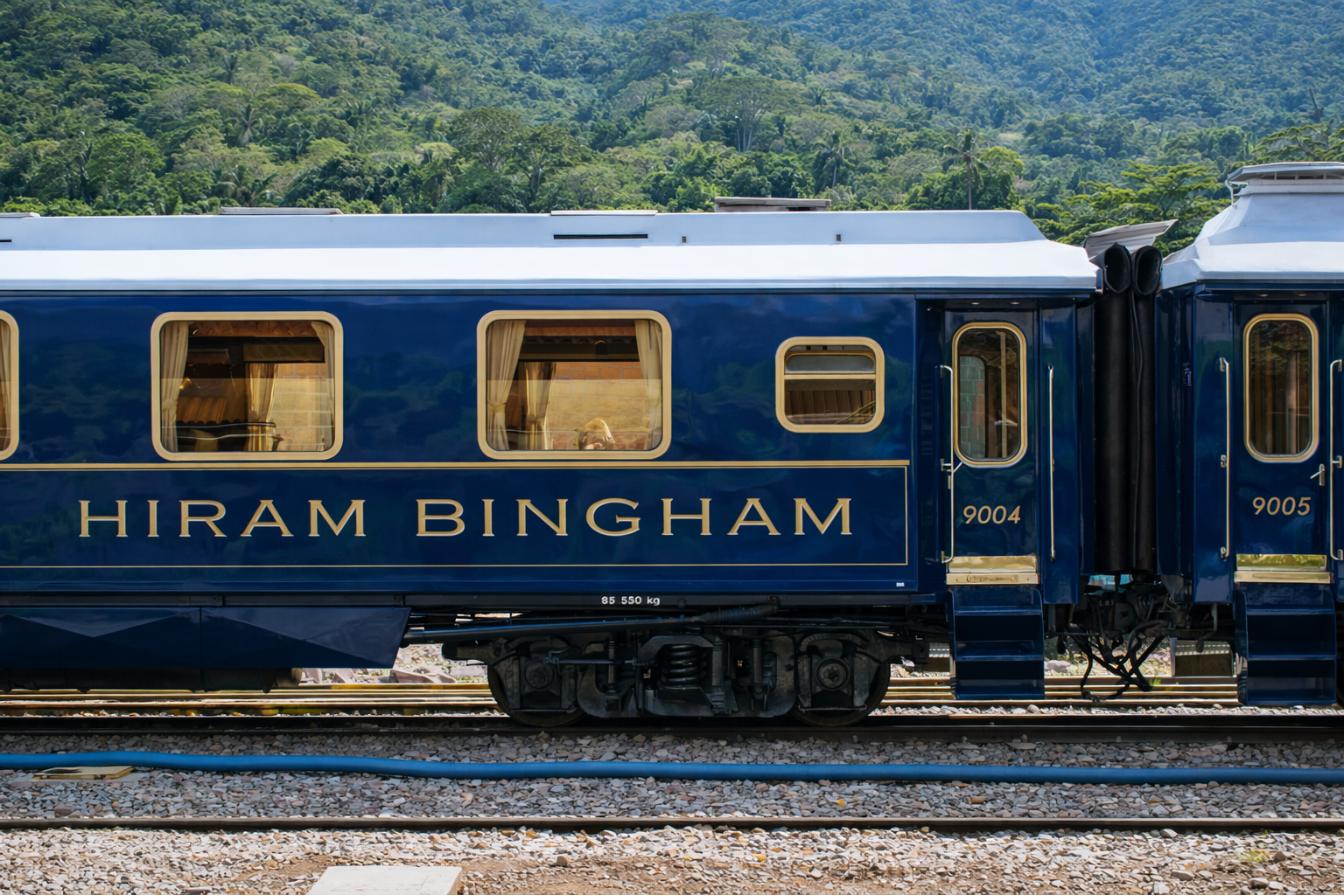
No. On the Belmond Hiram Bingham package the bus up, the entrance ticket and an English-speaking guide are all included, so when the train reaches Aguas Calientes a guide meets you and handles the transfer and the entry. You walk the ruins, not the logistics, and you never touch a ticket line.
This is the practical gap between the luxury service and doing it piecemeal. Independent travellers arriving on the everyday trains buy bus tickets, join the morning queue and time their own slot; on the Belmond package those steps are already arranged, and the guide simply leads the group from the platform to the bus to the gate. The included fare also means the train ride already covers the entrance and transfers, so there is nothing to pay at the bottom of the hill and no scramble to work out how much the train costs against separate bus and ticket fees.
It barely matters, for the last leg, which train you take to Machu Picchu or whether it leaves from the Poroy and Ollantaytambo stations: the climb to the citadel is handled either way. That is a large part of why people book the full day rather than piecing together a day trip to Machu Picchu from Cusco on their own. That is the whole idea behind Hiram Bingham Train Tickets: the train sets you down in the valley, and everything from there up to the ruins is taken care of.