Who Was Hiram Bingham?
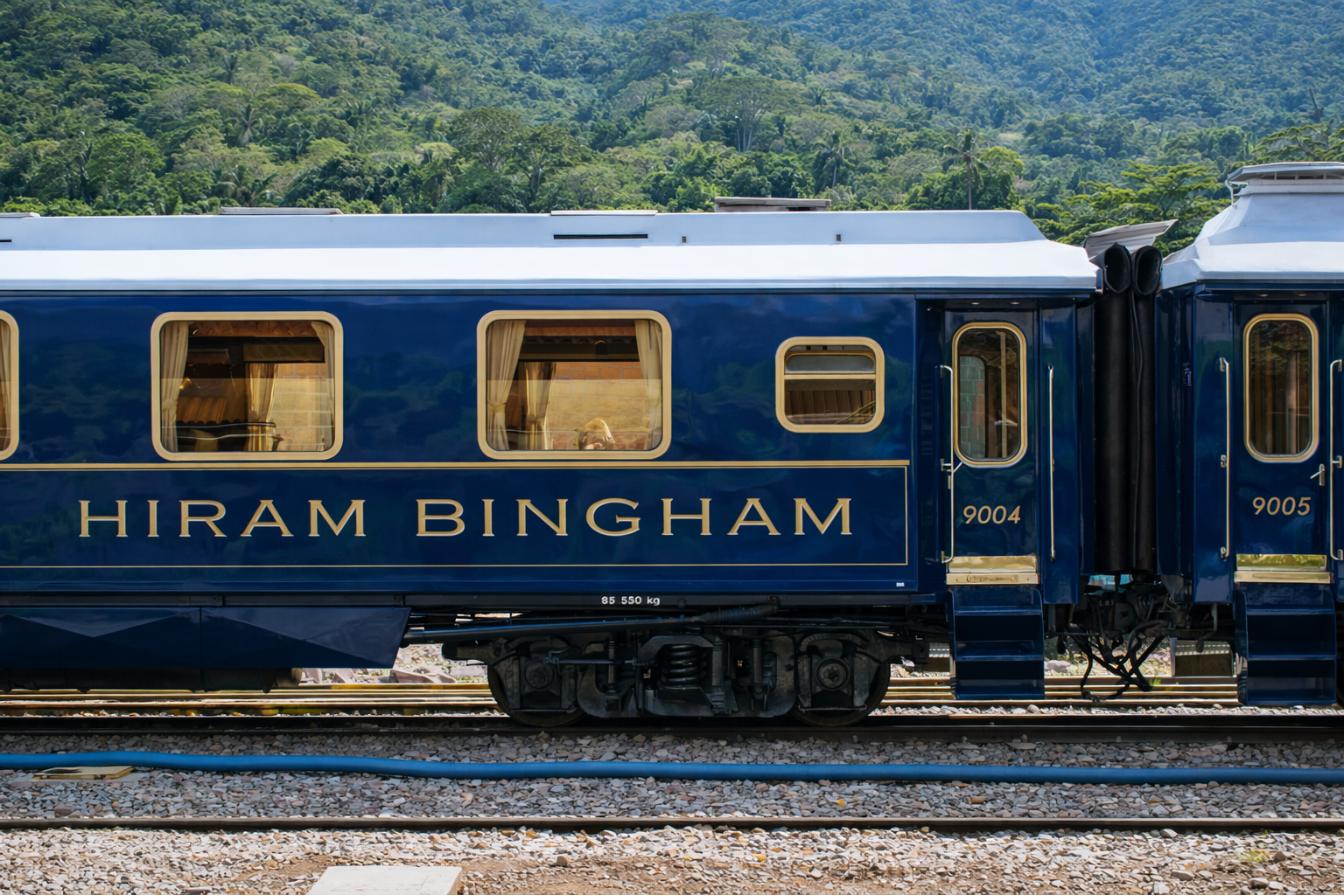
The luxury train wears his name in gold on the side, but the man himself was a Yale lecturer who went hunting for a lost Inca capital and walked into the most famous ruin in South America.
Ride the blue-and-gold train up toward Machu Picchu and the name on the side of the carriage belongs to a real man, not a marketing flourish. Hiram Bingham was a Yale lecturer who set out in 1911 to find a lost Inca capital and walked instead into the ruin that would shape the rest of his life. What followed reads like an adventure serial: three expeditions into the cloud forest, a fortune in artifacts shipped north to New Haven, a war spent organising military aviation, and a seat in the United States Senate. The brochure gives you the romance. Here is the whole story, myth trimmed away.
Who was Hiram Bingham?
Hiram Bingham III was an American historian and explorer who lived from 1875 to 1956. Born in Honolulu and educated at Yale, Berkeley and Harvard, he was lecturing on South American history at Yale when his 1911 expedition brought Machu Picchu to global attention. He later flew in the First World War and sat as a US Senator.
Three separate lives are packed into those dates. First the scholar, a tall, restless academic who taught South American history at a time when the field barely existed in North American universities. Then the explorer, who made his name on Peruvian ridges between 1911 and 1915. Finally the politician, who swapped the Andes for Connecticut, Washington and the floor of the Senate. His recorded biography tracks a man who was never content to sit in one chair for long.
He is remembered today mostly for the middle act, and above all for a single morning in July 1911. That is fair enough, because it changed how the world saw the Inca. It also flattens a much odder life into one photograph of a man in a pith helmet standing on a stone terrace.
| Quick facts | Detail |
|---|---|
| Full name | Hiram Bingham III |
| Lived | 1875 to 1956 |
| Born | Honolulu, Hawaii, into a missionary family |
| Best known for | The 1911 expedition that brought Machu Picchu to the world |
| Day job before Peru | Lecturer in South American history at Yale |
| Later careers | First World War aviator, then Connecticut politician and US Senator |
| Named after him | The Belmond Hiram Bingham train and the Hiram Bingham Highway |
Where did a missionary's son learn to chase lost cities?
Bingham was born in Honolulu on 19 November 1875, into a dynasty of Protestant missionaries. He earned a Yale degree in 1898, a masters at Berkeley in 1900 and a doctorate at Harvard in 1905, then married into the Tiffany fortune, which helped fund his later fieldwork. Yale hired him to lecture in 1907.
His grandfather, the first Hiram Bingham, had sailed to Hawaii as a missionary; his father, the second, had preached in the Gilbert Islands of the Pacific. The third Hiram grew up expected to carry on that religious work and pointedly did not. He chose history and the outdoors instead, which caused no small friction at home.
In 1900 he married Alfreda Mitchell, a granddaughter of Charles Lewis Tiffany of the New York jewellers. The connection mattered for more than status: family money underwrote expeditions that a junior lecturer's salary could never have covered. By 1907 Yale had appointed him a lecturer in South American history, and a teaching trip along old Spanish trade routes lit the fuse. The Connecticut state history project, in its profile of Bingham, traces how those early journeys turned a lecturer into an expedition leader.
What was he actually searching for in 1911?
He was not looking for Machu Picchu at all. Bingham organised the 1911 Yale Peruvian Expedition to find Vilcabamba, the jungle refuge where the last Inca rulers held out against the Spanish after 1537. Machu Picchu was a stop along the way to that goal, and for years he wrongly believed he had found the lost capital there.
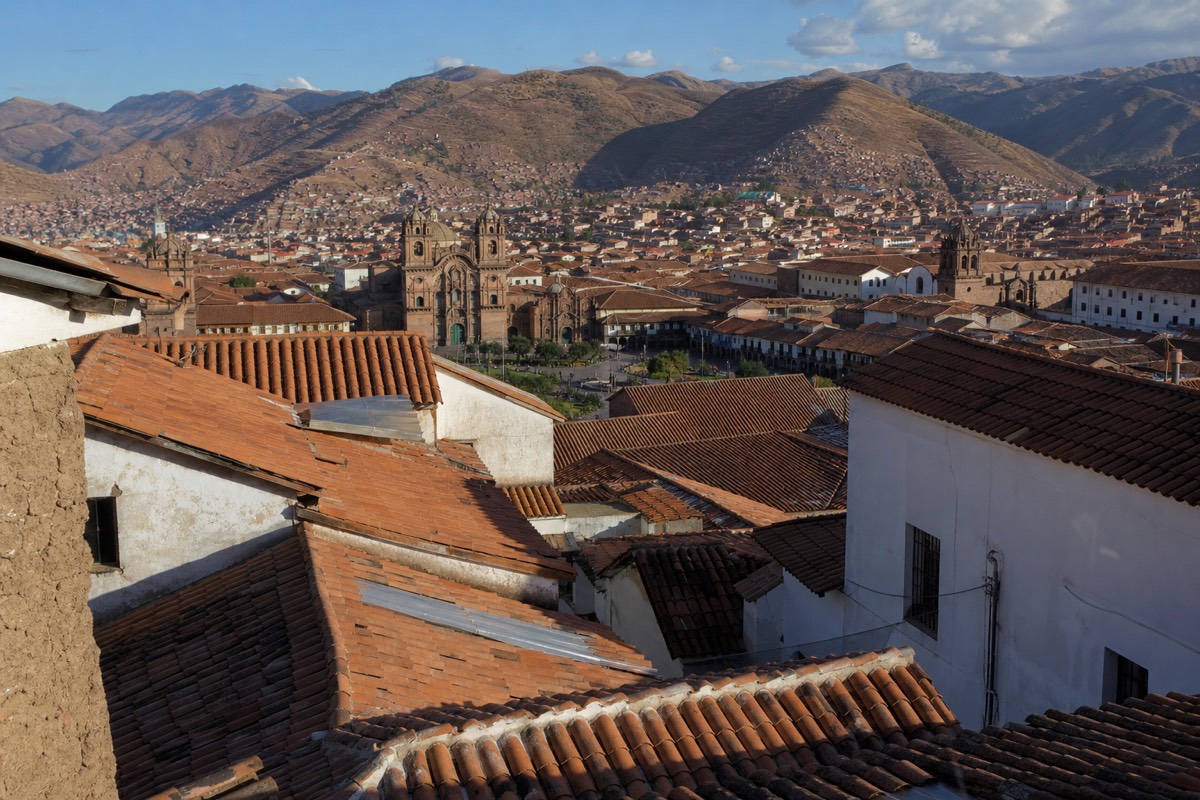
The target was a genuine historical mystery. When the Spanish took Cusco, a rebel Inca state retreated into the mountains north-west of the city and survived there for nearly forty years. Its final stronghold, Vilcabamba, had faded from maps. Bingham wanted to be the man who put it back on them.
He came surprisingly close. On the same 1911 push his team reached Vitcos, a real Inca site, and Espíritu Pampa, which later proved to be the actual Vilcabamba he had been chasing. He recorded both but did not grasp their importance, and instead fixed on the spectacular ruin a farmer had shown him days earlier. His book decades later still called Machu Picchu the "lost city of the Incas," a title that belonged, in truth, to the overgrown site he had walked straight past.
| Expedition detail | What the record shows |
|---|---|
| Sponsors | Yale University and, from 1912, the National Geographic Society |
| Stated goal | Locate Vilcabamba, the last refuge of the Inca resistance |
| Field seasons | Three main campaigns, 1911, 1912 and 1914 to 1915 |
| Sites reached in 1911 | Machu Picchu, Vitcos and Espíritu Pampa (the true Vilcabamba) |
| Bingham's mistake | Named Machu Picchu the lost capital; the real one was Espíritu Pampa |
| Local guide to Machu Picchu | Melchor Arteaga, a valley farmer and innkeeper |
What happened on the 24th of July 1911?
On a cold, drizzling morning, a local farmer named Melchor Arteaga led Bingham across the Urubamba river and up a steep ridge to terraces that families were still farming. A young boy walked the last stretch with him to the finest stonework. Bingham photographed it, sensed its scale, and the modern story of Machu Picchu began.
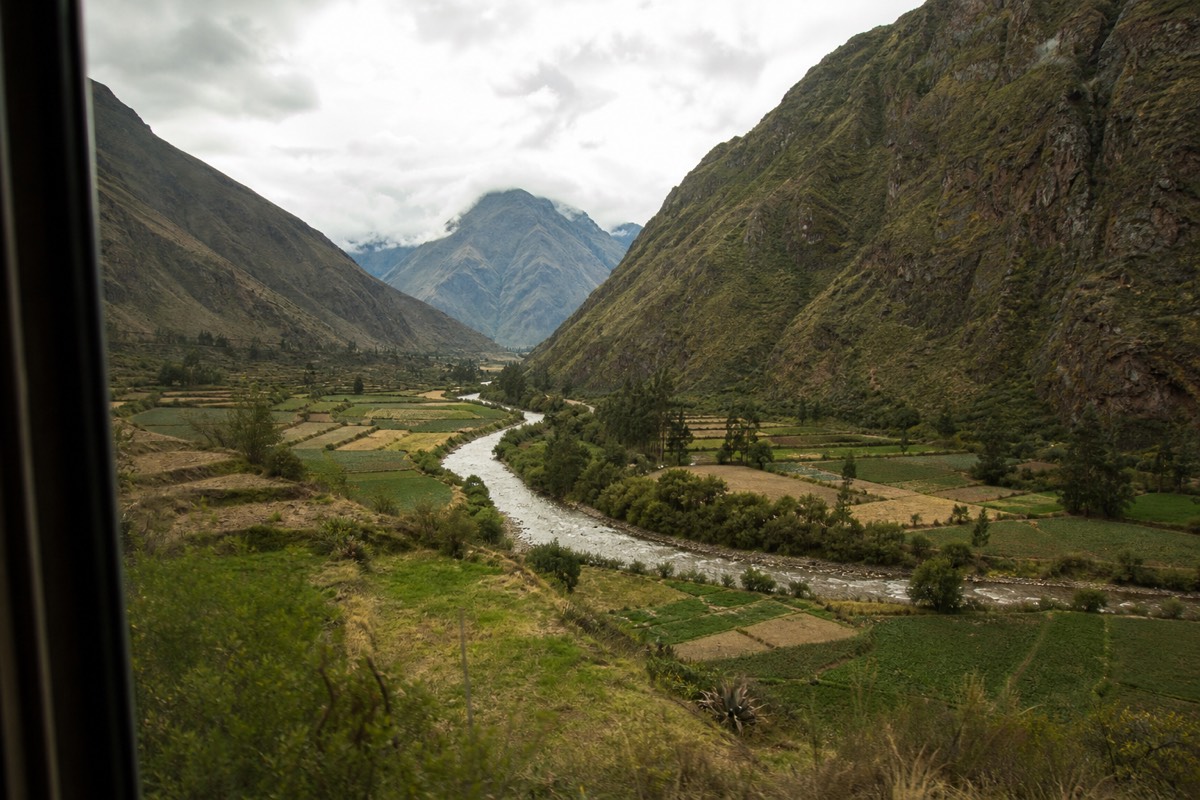
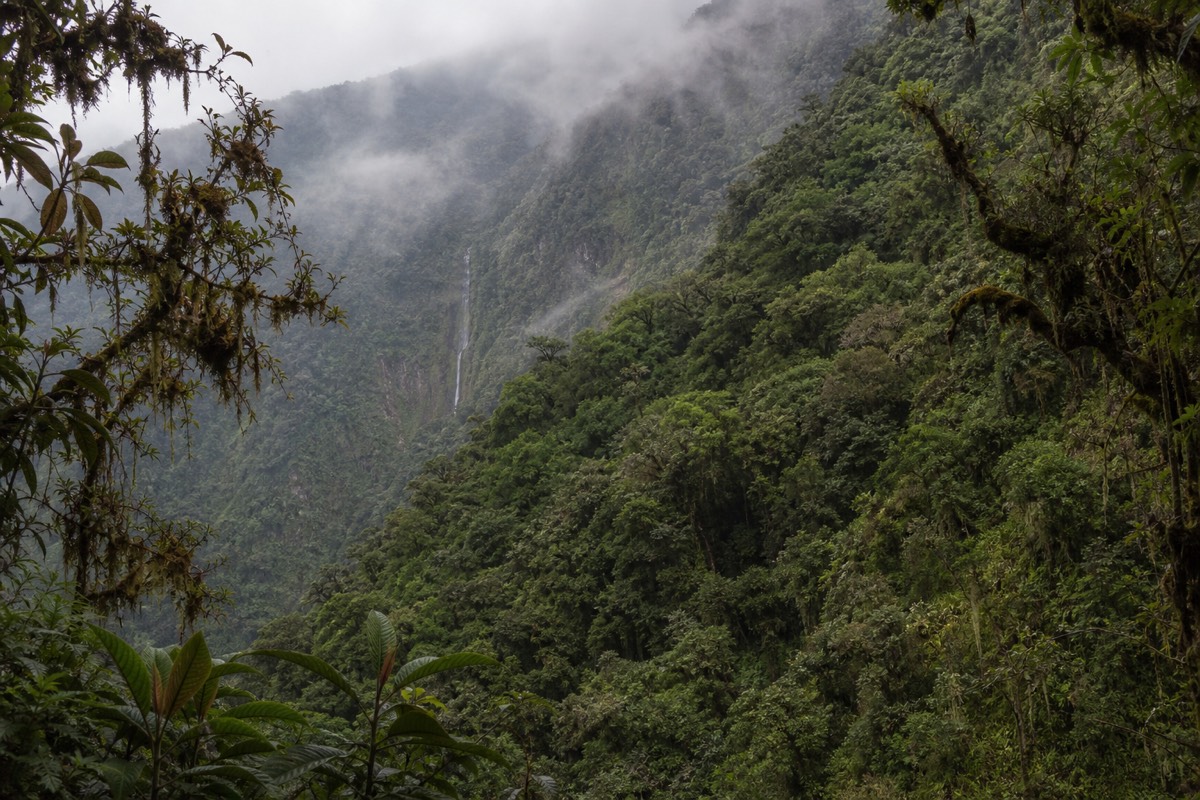
The day was almost ordinary. Bingham had camped by the river and offered Arteaga a coin to show him ruins said to lie above. Most of the party stayed behind in the rain. Bingham climbed with Arteaga and a local officer, sweating up through cloud forest, until the slope opened onto tier after tier of Inca terracing and, beyond it, temples and houses smothered in vegetation.
Two families, the Richartes and the Álvarezes, were living on the site and growing crops on its terraces, and it was one of their children who guided Bingham to the ceremonial heart of the ruin. He grasped that this was something extraordinary, though not what it actually was. The National Geographic account of that ascent stresses how methodically he had gathered local testimony beforehand, which is why historians say he put himself in a position where he could hardly have missed it.
| Year | Event |
|---|---|
| 1875 | Born in Honolulu, Hawaii, on 19 November |
| 1898 | Graduates from Yale College |
| 1907 | Appointed a lecturer in South American history at Yale |
| 1911 | Reaches Machu Picchu on 24 July, guided by Melchor Arteaga |
| 1911 to 1915 | Leads three expeditions that clear, map and document the site |
| 1917 to 1918 | Serves in military aviation during the First World War |
| 1925 to 1933 | Serves as a US Senator for Connecticut |
| 1948 | Publishes Lost City of the Incas, a bestseller |
| 1956 | Dies in Washington, D.C. on 6 June |
Was Machu Picchu really a lost city?
Not in the way the legend tells it. When Bingham arrived, families were farming the terraces and Arteaga knew exactly where to lead him. A Peruvian named Agustín Lizárraga had scratched his name and the date 1902 onto a temple wall nine years earlier. What Bingham did was scientific rediscovery: he documented, excavated and, above all, publicised a place the outside world had never heard of.
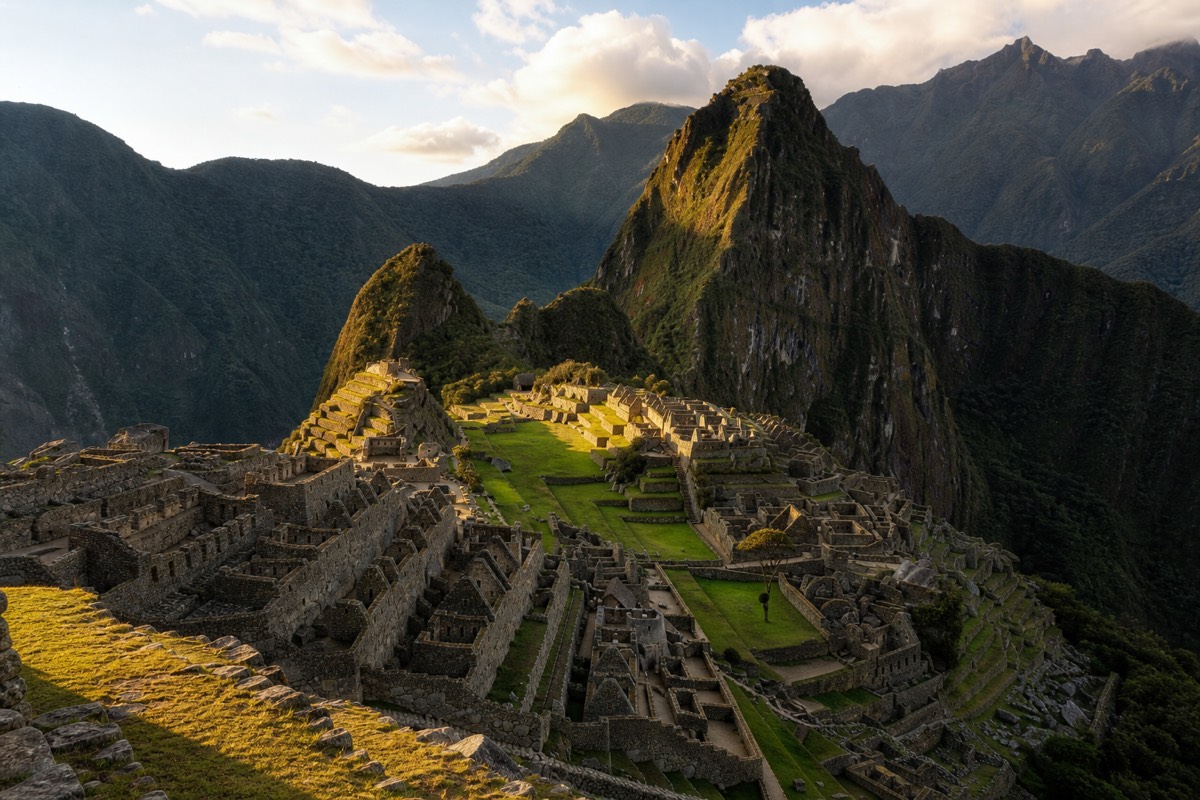
The distinction matters, and honest guides in Cusco make it too. The people of the Urubamba valley had never forgotten Machu Picchu; some were quietly living in it. Lizárraga's inscription on the Temple of the Three Windows is the plainest proof, a signature left almost a decade before the Yale expedition arrived.
None of this cheapens what Bingham achieved. Recording a site to scientific standards, mapping it, excavating it and then broadcasting it to millions is a real accomplishment, and it did not need the fairy tale of a city lost to all humanity. The table below sorts the popular myth from what the evidence actually supports.
| The myth | What actually happened |
|---|---|
| Bingham discovered an unknown place | Local families lived there and guided him in |
| Nobody had seen it for centuries | Agustín Lizárraga signed a wall in 1902, nine years before |
| He found the lost Inca capital | The real last capital, Vilcabamba, was Espíritu Pampa, which he misidentified |
| He dug it out single-handed | Large teams, local labour and later National Geographic backing did the work |
| The ruin was empty jungle | Terraces were under active cultivation when he climbed up |
What did he take, and why did it take a century to give back?
Over his expeditions Bingham removed tens of thousands of objects and bone fragments and shipped them to Yale for study, under permits that expected their return. They did not come back on schedule. A dispute simmered for decades, became a lawsuit, and only ended with a 2010 agreement, after which the collection began going home to Cusco.
The scale was large: bones, ceramics, metal and stone, counted in the tens of thousands once fragments are included. Peru granted export permits framed around temporary study, and formally asked for the material back as early as 1918 and 1920. Yale held on. The standoff hardened over the twentieth century, and by the 2000s Peru had taken the university to court.
The centenary forced the issue. In November 2010 Yale and the Peruvian government signed an agreement to return the collection, timed to the hundredth anniversary of Bingham's 1911 climb, and the pieces began travelling back to Cusco from 2011, with major shipments the following year. They are now housed near the old Inca capital rather than in New Haven.
| Year | Step in the artifacts dispute |
|---|---|
| 1912 to 1916 | Bingham ships excavated material to Yale under study permits |
| 1918 and 1920 | Peru formally requests the collection's return; nothing moves |
| 2000s | Talks resume, then break down, and Peru sues Yale |
| November 2010 | Yale and Peru sign an agreement to return the collection |
| 2011 to 2012 | The objects travel back to Cusco, a century after the expedition |
How did a remote ridge become the most famous ruin in South America?
One magazine did most of the work. In April 1913 National Geographic gave its entire issue to Bingham's Machu Picchu, running roughly 250 of his photographs. Those images, plus his 1948 bestseller Lost City of the Incas, planted a story so vivid it was easy to repeat, and it has been repeated ever since.
Photography was the engine. Bingham was a diligent, obsessive cameraman, and the black-and-white plates he brought back showed terraces clinging to a knife-edge ridge wrapped in cloud. Printed across an entire National Geographic issue, they turned an obscure Peruvian name into a bucket-list icon almost overnight, decades before mass tourism could act on the impulse.
The legend grew from there. His book gave the ruin its enduring nickname, and Hollywood eventually borrowed the mood: the 1954 film Secret of the Incas, shot partly at the site and drawing on the Bingham mystique, is widely cited as a forerunner of the adventuring-archaeologist figure that later films made famous. The same National Geographic feature traces that thread from the 1913 issue to the screen.
What did Bingham do after he left Peru?
He reinvented himself twice more. During the First World War he took up flying in his forties, organised aviation training and rose to lieutenant colonel. Then he went into Connecticut politics: lieutenant governor, governor for a single day in 1925, and a US Senator from 1925 to 1933, a term marked by a formal censure in 1929.
The aviation chapter is easy to miss. Bingham learned to fly as a middle-aged man, ran a large flying school programme in France, and ended the war as a lieutenant colonel in the air service, an unlikely turn for a history lecturer. He came home restless and ambitious, and channelled it into elected office.
The one-day governorship is not a slip of the pen. Bingham was elected governor of Connecticut and, almost simultaneously, won a US Senate seat in a special election, so he was sworn in as governor on 7 January 1925 and resigned the next day to take the higher office. His Senate years were productive but bruising: in 1929 his colleagues censured him for putting a business lobbyist on his staff payroll. He died in Washington on 6 June 1956 and was buried at Arlington, a soldier, senator and explorer in one grave.
Why does the luxury train carry his name?
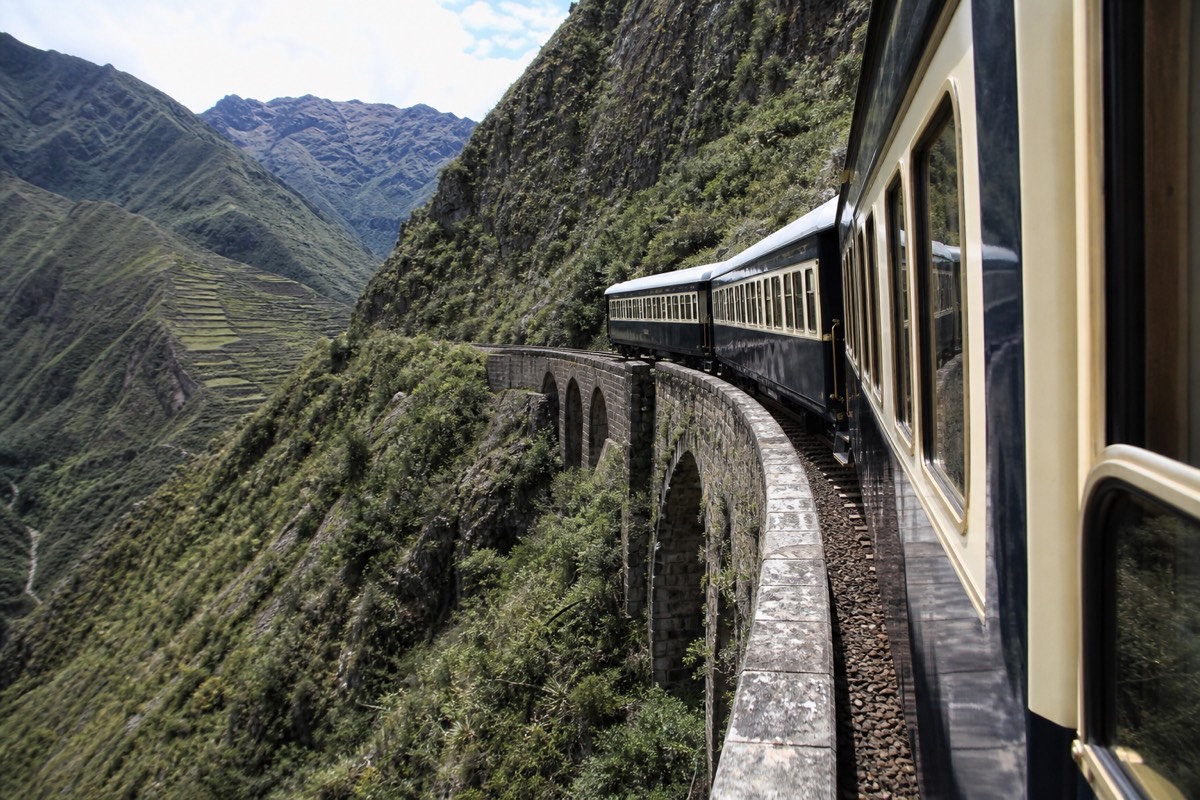
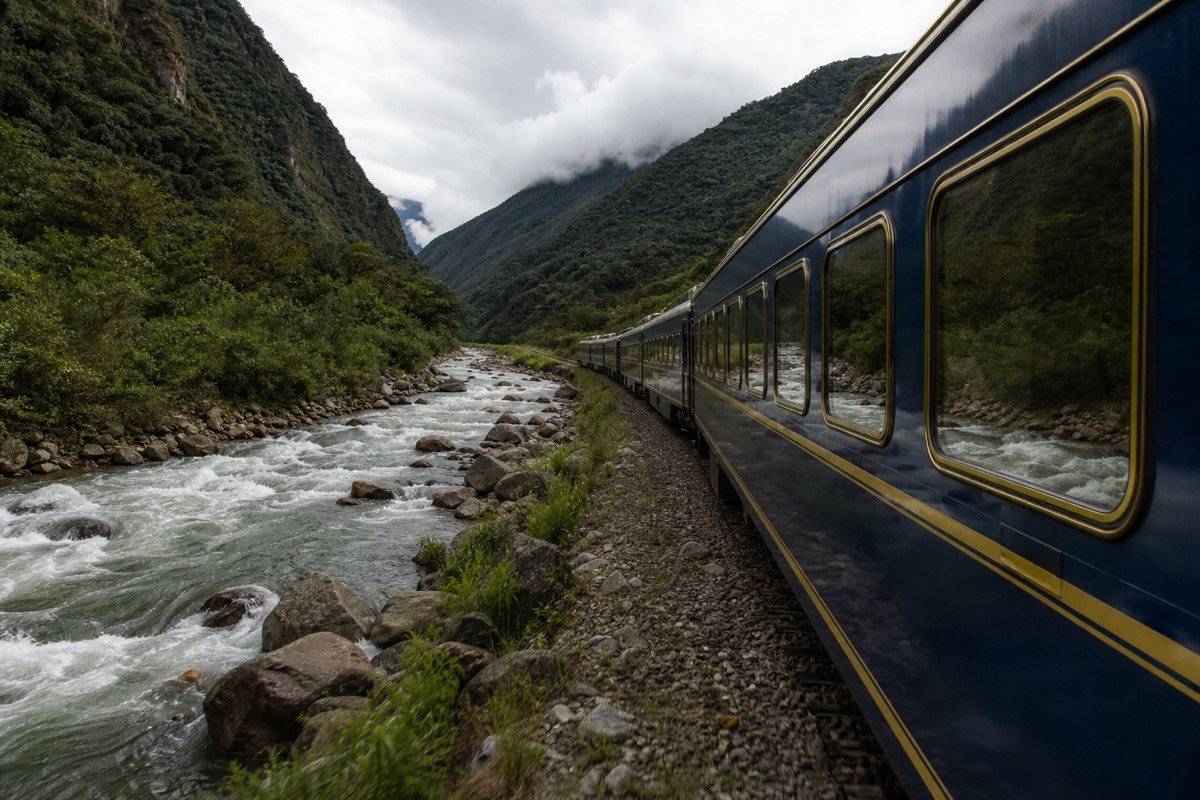
Belmond, working with PeruRail, named its flagship service the Hiram Bingham because his name is the one the outside world ties most tightly to Machu Picchu. The train runs the route up from the Cusco region to Aguas Calientes that his expeditions made famous, and it trades openly on the golden-age-of-travel romance his story still carries.
Riding it is the closest most visitors get to that early sense of arrival by rail into the high Andes, minus the mules and the mud. If you are weighing which train to take to Machu Picchu, the Belmond service sits at the very top of the ladder, well above the Vistadome and the everyday tourist trains, and it folds the whole day into one booking. That premium is a big part of why some travellers only want the flagship and others happily take a cheaper carriage.
Practical planning still helps. It pays to understand the cost of the Hiram Bingham ticket before you commit, to sort your Machu Picchu entrance tickets or let the package handle them, and to check the best time to visit Machu Picchu so your day lands in the drier, clearer months. Give yourself a night or two to acclimatise in Cusco first, since the city sits far higher than the ruin, and altitude, not the climb itself, is what catches people out.
The rest is logistics that the flagship quietly absorbs. Whether the train leaves from the Poroy and Ollantaytambo stations depends on the season, and the package covers the transfers either way, along with the brunch, the live Andean band and the bus up to the gates, so you are never piecing together a day trip to Machu Picchu from Cusco on your own. Book the day through Hiram Bingham Train Tickets and the dates, seats and fares sit together, with the man on the nameplate feeling a little less like a stranger by the time you climb aboard.