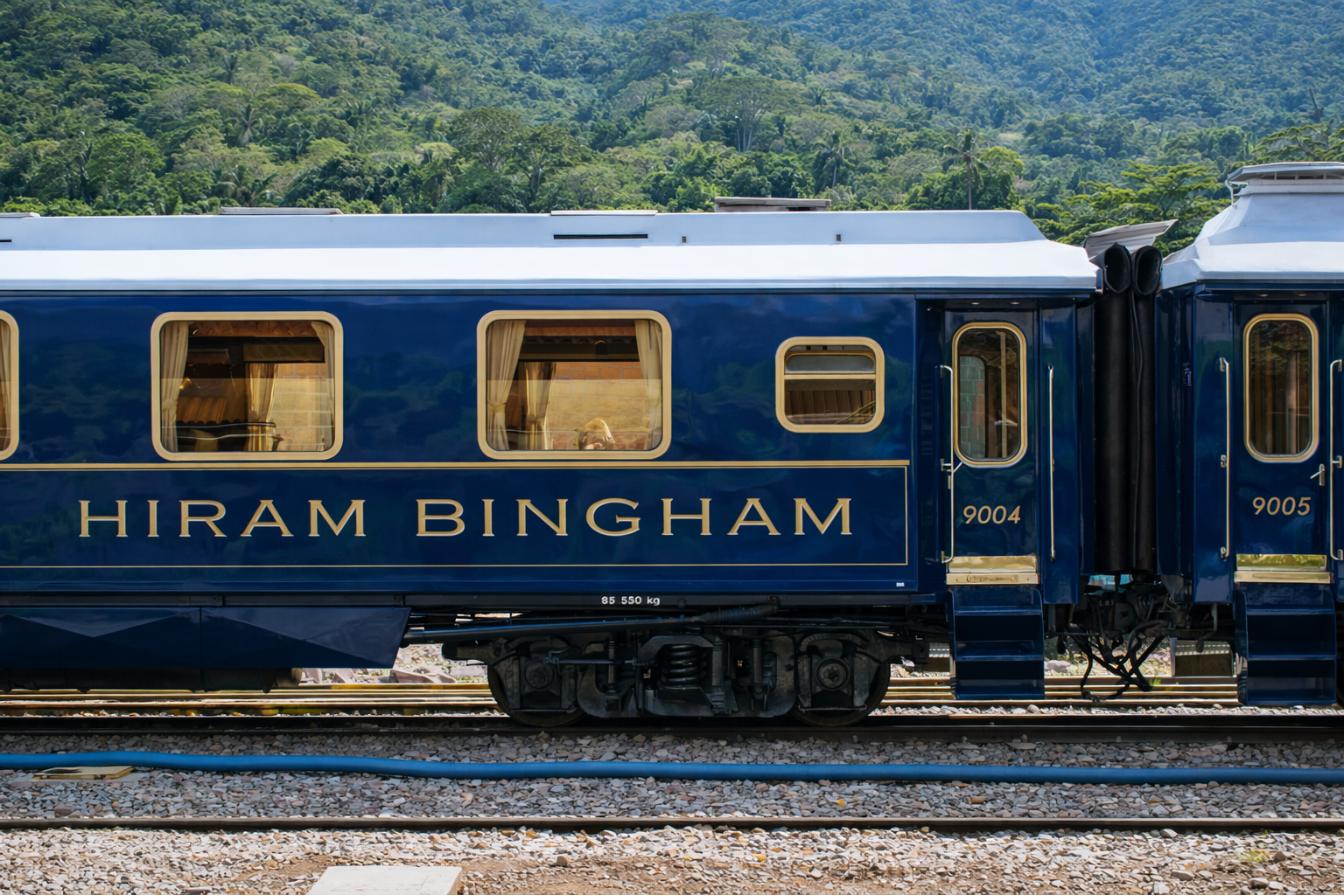
Is There a Dress Code on the Hiram Bingham Train?
Belmond calls the Hiram Bingham smart casual, which sounds simple until you realise one outfit has to work on an elegant train, at a mountaintop citadel, and through a fifteen-degree temperature swing. Here is how to get it right.
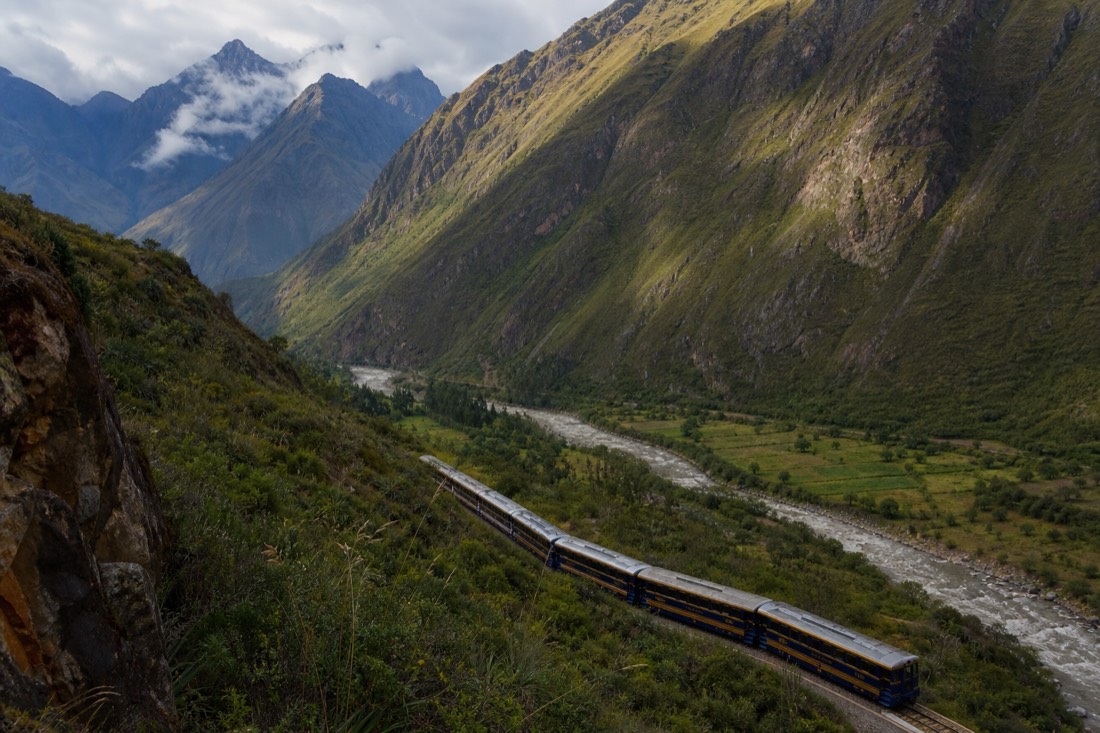
Is there a dress code on the Hiram Bingham train?
Yes, but a gentle one. Belmond calls it smart casual, with no jacket-and-tie requirement and nobody turned away for skipping a tie. Most guests dress up a little, a notch above everyday travel clothes, then keep it comfortable for a day that ends by climbing around a mountaintop citadel. Think polished, not formal.
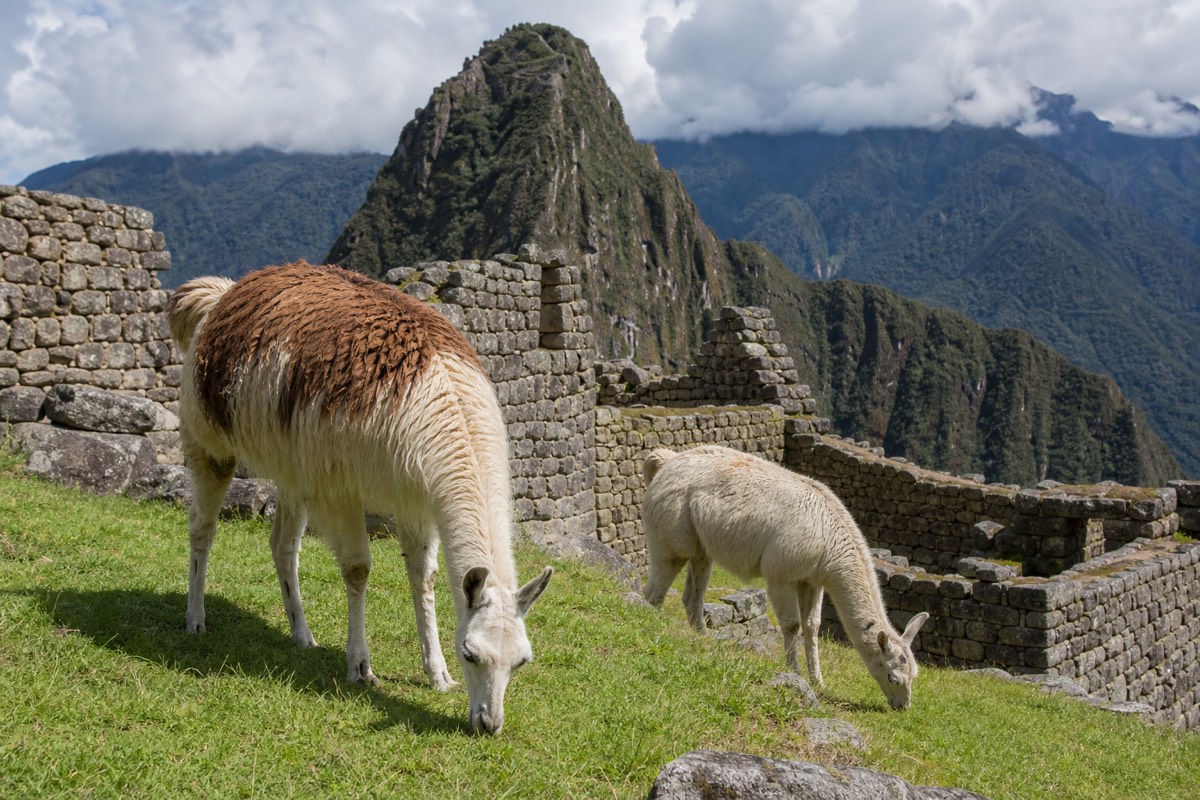
Belmond's own guidance puts it plainly. On its official FAQ the operator describes the code as smart casual, "reflecting the elegant ambience of the journey," and encourages "an informal explorer-style look that blends celebration with exploration." That single line is the whole brief: this is a special-occasion train, so people make an effort, but it is also a real journey into the Andes, so nothing stiff or fussy fits. You can read the exact wording on Belmond's Hiram Bingham FAQ.
One nuance clears up the confusion travellers sometimes hit online. PeruRail, which runs the train for Belmond, does not enforce a strict dress code at the platform, so nobody checks your outfit or bars you for wearing the wrong thing. The smart-casual line is Belmond's recommendation for the mood of the experience, not a rule with a bouncer behind it. The practical reading is that you dress for three settings in one outfit: an elegant train, a working archaeological site, and a temperature swing of fifteen degrees or more between a cold Cusco morning and a warm valley afternoon. Get that right and you are done, and the rest of this page is the detail.
What does smart casual actually look like here?
Smart casual on the Hiram Bingham means tailored trousers or a chino, a collared shirt or a neat blouse, a simple dress, and a blazer or fine knit for layering. Leave the sportswear, gym gear, flip-flops and beachwear at the hotel. Aim for what you might wear to a nice lunch, adjusted so you can still walk uneven stone steps a few hours later.
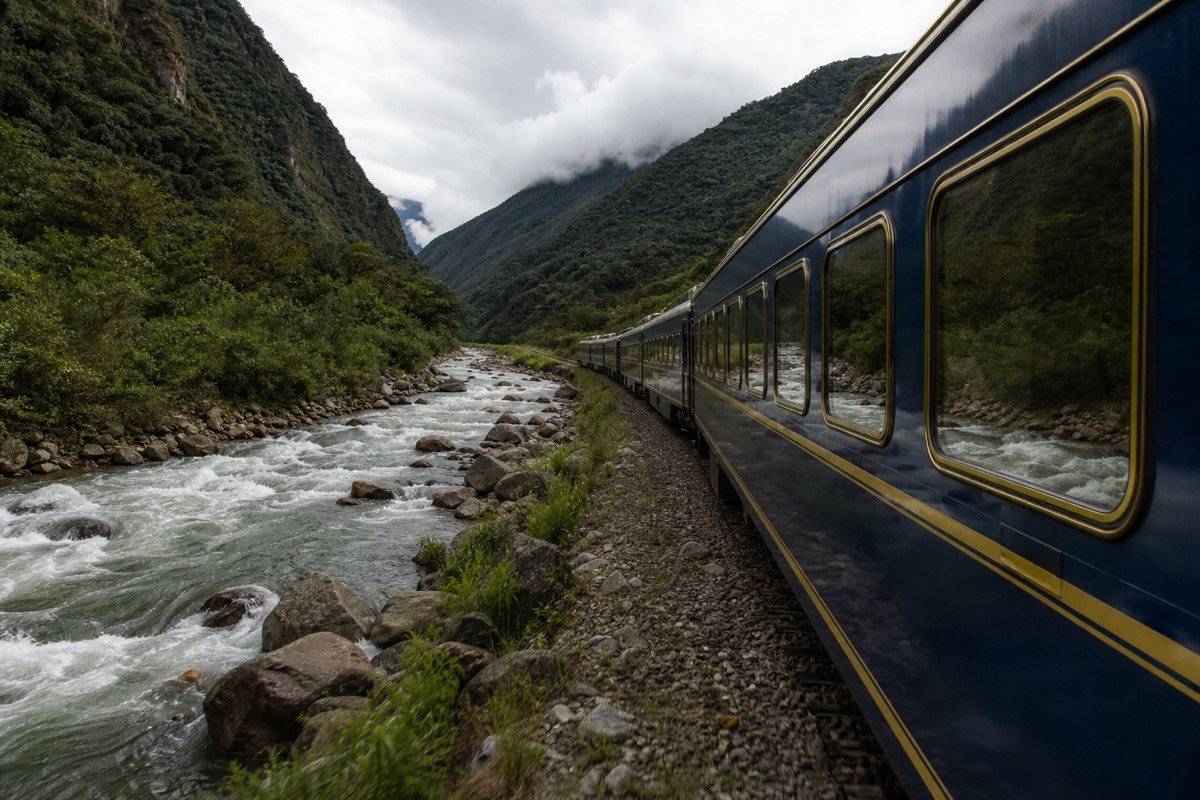
Nobody expects a gown or a suit. The look that reads best is understated and put-together: a blouse with tailored trousers, a midi dress with a light jacket, a shirt and chinos with clean shoes. Fabrics that resist creasing earn their place, because this outfit spends about three and a half hours seated each way, and you want to step off looking unrumpled at the citadel. Natural fibres and mid-weight knits handle the temperature range better than anything shiny or synthetic, and darker colours hide the trail dust that the site inevitably kicks up. The people who look most at home on board are not the most dressed up, they are the ones whose clothes clearly work for both the linen-and-brass carriage and the climb that follows.
| Works well | Better to skip |
|---|---|
| Tailored trousers, chinos, a smart midi dress or skirt | Athletic shorts, leggings as the main layer, cargo pants |
| Collared shirt, neat blouse, fine knitwear | Slogan tees, tank tops, anything sweat-stained from the trail |
| A blazer or light jacket for layering | Bulky technical shells worn indoors all day |
| Clean, comfortable closed shoes | Flip-flops, heels, brand-new stiff boots |
| Dark, well-fitting denim with a smart top | Ripped, faded or heavily distressed jeans |
If you are wondering about jeans, the short answer is that dark, clean, well-fitting denim passes, especially with a blazer or a neat top; ripped or faded denim does not. When in doubt, a chino or tailored trouser is the safer match for the train's mood, and it photographs better against the wood-panelled carriages too. This is the kind of small call our team fields all the time at Hiram Bingham Train Tickets, and the honest answer is that comfort and neatness beat formality every time.
Does the evening return call for something dressier than the daytime run?
A little, if you want it to. The outbound run is a daytime brunch service, while the return heads back as the light fades, afternoon tea giving way to dinner, cocktails, live music and a convivial bar-car mood. Nothing formal is required, but many travellers lean a touch more elegant for the ride home, when the carriages feel most like a party on rails.
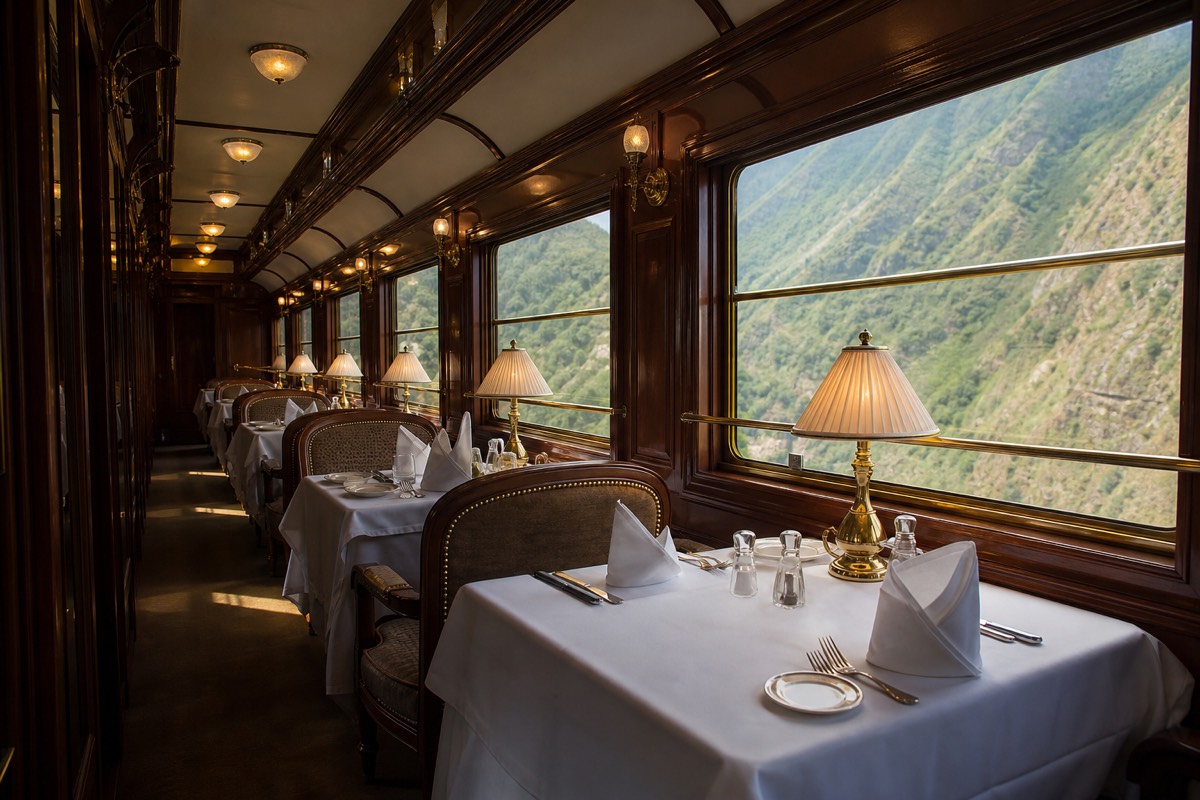
Because you cannot really change on board, the smart move is to dress in the morning for how the evening will feel. A blouse or shirt that works for brunch also works for cocktails; a blazer you carried for the cold Cusco start comes into its own on the darker return. That single well-chosen outfit is exactly what Belmond's explorer-meets-celebration line is pointing at.
| Setting | Mood on board | What works |
|---|---|---|
| Outbound morning | Brunch, open bar, scenery, guided visit ahead | Neat daywear you can also climb in later |
| At the citadel, midday | Walking, sun, possible showers | Same outfit, shed the jacket, add sun cover |
| Evening return | Afternoon tea, dinner, cocktails, live music | The same base, blazer or knit back on, tidy hair |
The point is that one considered outfit carries all three moments. You are not packing a second look, because there is nowhere to store or change into it, so choose pieces in the morning that quietly upgrade once the sun drops and the bar car livens up.
How do you dress for the altitude and the temperature swings?
Layer, always. You start in Cusco, near 3,399 metres, where dawn can sit close to freezing, and you finish down in the warmer, humid valley around Aguas Calientes at about 2,040 metres, where midday can reach the mid-twenties Celsius. One outfit plus two removable layers, a fine knit and a light jacket, covers the whole span without a costume change.
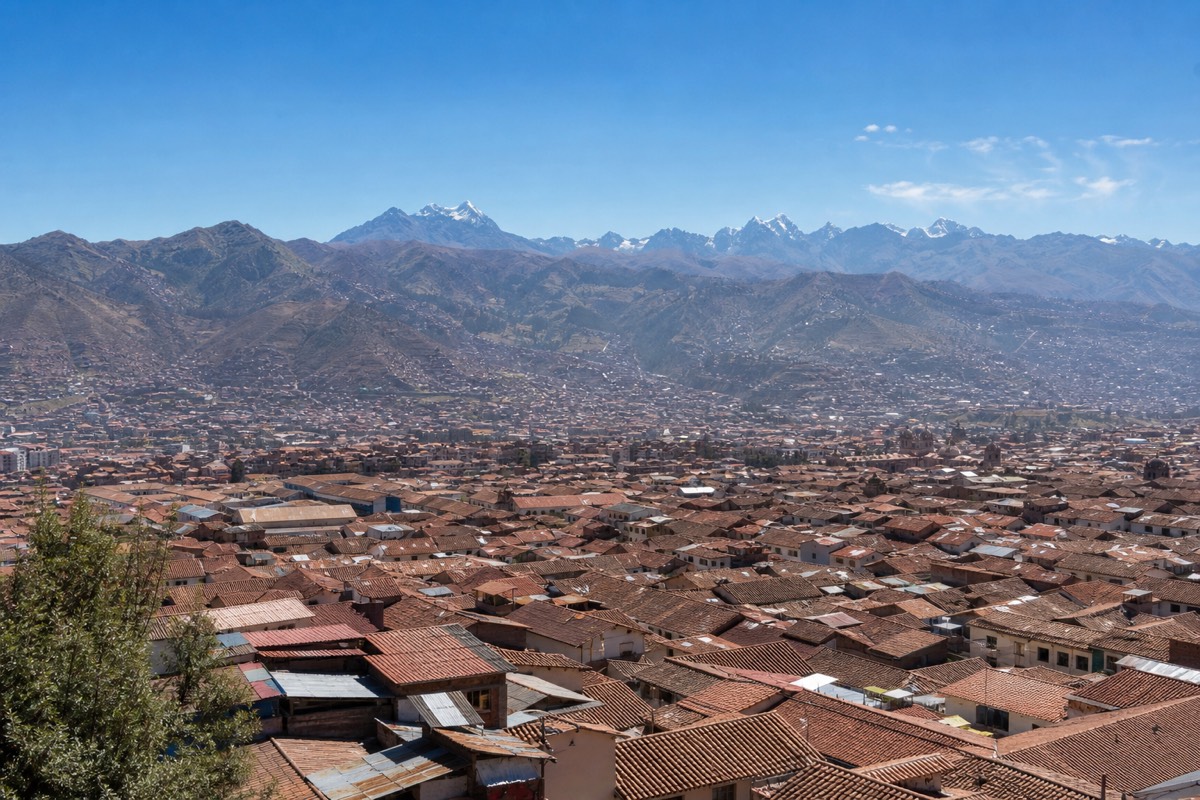
The altitude matters for comfort as much as for clothing. The thin air at Cusco's height can leave you cold and tired on day one, which is another reason a warm layer beats a single thin top for the early start. If the elevation is new to you, it helps to acclimatise for a day or two first, and to read up on altitude sickness in Cusco so the first cold morning does not catch you out on the platform.
| Time and place | How it feels | What to have on |
|---|---|---|
| Cusco, pre-dawn hotel pickup | Cold, roughly 2 to 8 C | Base top, fine knit, light jacket, scarf |
| Cusco, morning boarding | Cool, roughly 10 to 15 C | Layers on, jacket easy to reach |
| Train descending the valley | Warming through the glass | Shed the jacket, then the knit |
| Citadel, midday | Warm and humid, up to about 24 to 25 C | Base layer, hat and sun cover |
| Citadel, if a shower rolls in | Cooler and damp within the hour | Light packable waterproof |
| Evening return toward Cusco | Cooling fast after dark, back toward single digits | Knit and jacket back on |
A compact packing list keeps it simple: a base top, a fine-knit sweater or cardigan, a light and packable jacket or waterproof, and a scarf that doubles as warmth on the train and sun cover at the site. Everything should fold small, because train luggage is limited and you want your hands free at the citadel. Line your dates up with the best time to visit Machu Picchu too, since the dry and wet seasons change how much rain gear you actually carry.
What shoes should you wear for the train and the citadel?
Comfortable, closed, grippy walking shoes are the single most important choice. Machu Picchu is steep stone stairs and uneven terraces, often slick after a shower, so heels and flip-flops are out and stiff brand-new boots are a mistake. A broken-in pair of trainers or light hikers looks perfectly at home in smart-casual dress and saves your day.
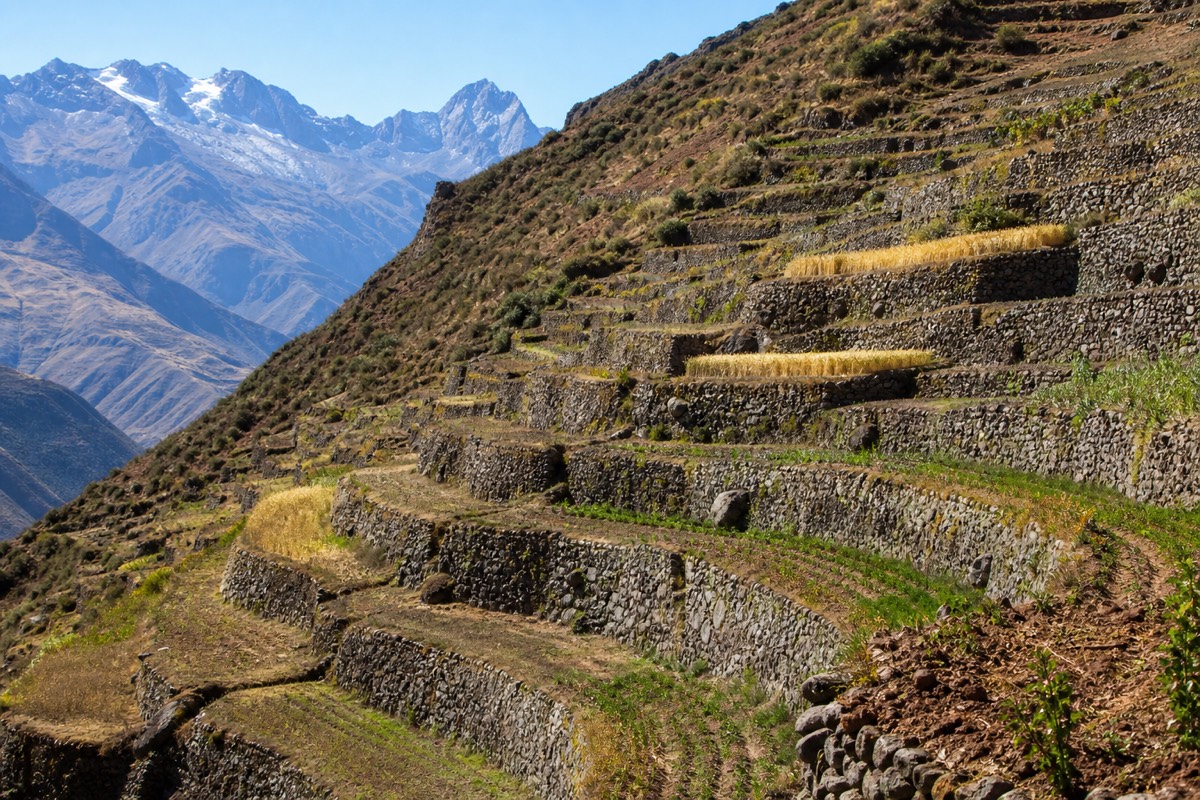
Style still counts on the train, but your feet do the real work once you step off. A shuttle bus winds up the switchback road to the gates, and from there it is all steps and slopes. Even before the climbing, the walk from the station to the citadel and the transfers involve more moving around than people expect, so footwear you can trust matters far more than footwear that turns heads.
| Footwear | On the train | At Machu Picchu | Verdict |
|---|---|---|---|
| Broken-in trainers or light hikers | Reads as smart casual if clean and dark | Grip and support on wet stone | Best all-round choice |
| Leather loafers or flat boots | Smart and comfortable | Fine if the soles grip | Good, check the tread |
| Heels or dress shoes with smooth soles | Look the part | Dangerous on uneven, slick steps | Skip for the site |
| Flip-flops or sandals | Too casual for the mood | No support or grip | Avoid |
| Brand-new stiff boots | Fine | Blisters by mid-morning | Break them in first, or avoid |
One neat trick: wear your single good pair of walking shoes for the whole day rather than packing a second. Clean, dark trainers read as smart casual on board and carry you through the ruins without a swap, which keeps your small train bag lighter and your hands free.
What should you pack for a one-day trip versus an overnight?
For a one-day round trip, pack a single day bag: layers, sun and rain cover, water, documents, camera and a little cash. For an overnight in Aguas Calientes, add a change of clothes and toiletries in a small soft bag, and leave your main suitcase in Cusco. Either way the train itself takes only a small carry-on, so pack light on purpose.
Most Hiram Bingham travellers do the classic single day: out in the morning, guided visit, evening return. That day needs surprisingly little, and carrying less makes the citadel far more pleasant. An overnight stay lets you catch a quieter early or late entry and split the altitude drop, but it does not change what rides on the train with you, since the big bag stays behind regardless.
| Item | One-day trip | Overnight |
|---|---|---|
| Layers (knit, light jacket, scarf) | Yes, worn or in the day bag | Yes |
| Packable waterproof | Yes | Yes |
| Sun hat, sunglasses, sunscreen | Yes | Yes |
| Water and a light snack | Yes | Yes |
| Passport and printed tickets | Yes, required for entry | Yes |
| Change of clothes and toiletries | No | Yes, in a small soft bag |
| Main suitcase | Leave in Cusco | Leave in Cusco |
Bring your passport in original form, since it is checked against your Machu Picchu entrance tickets and your train seat. If you have not settled the site side yet, sort your entrance tickets and which circuit to book before you travel, because entry is by timed circuit and cannot be improvised at the gate.
How much luggage can you actually bring on PeruRail?
Not much, by design. Belmond limits each Hiram Bingham guest to one small piece of hand luggage of about 5 kg, roughly 11 lb, within 157 cm of total dimensions, and the train carries no extra bags in the cabin. Large suitcases stay behind in a free station storage room, so plan a day bag and leave the rest at your hotel or the platform.
This limit is the real reason the dress question is also a packing question. You physically cannot bring a second outfit and a full wash bag, so the smart-casual, layer-it-once approach is not just stylistic advice, it is what the allowance forces. PeruRail's luggage policy spells out the weights and the free storage arrangement, and Belmond provides its own branded travel bag sized to the rule.
| Luggage question | What to know |
|---|---|
| How many bags on board | One small hand bag or backpack per guest |
| Weight limit | About 5 kg, roughly 11 lb |
| Size limit | Within about 157 cm total dimensions |
| Extra luggage in the cabin | Not allowed on the Hiram Bingham |
| Where the big bag goes | Free station storage room, or your Cusco hotel |
If you are still choosing between the trains and stations, the allowance is similar across PeruRail services, so it should not sway the decision. Where you board can, though, so check the Poroy and Ollantaytambo stations for your dates, and if you have not settled the class yet, compare the trains to see where the Vistadome and the Expedition service fit against the luxury option.
What should you not wear on the Hiram Bingham?
Skip anything that reads as gym, beach or trail: athletic shorts, tank tops, slogan tees, flip-flops, and sweat-stained hiking gear. Avoid smooth-soled heels and dress shoes for the citadel, and brand-new stiff boots anywhere. Nothing here is banned at the door, but each choice either clashes with the train's mood or lets you down on the mountain.
The mistakes travellers regret fall into two groups. The first is dressing too far down, arriving in full trekking kit that feels out of place among the linen and brass, then having no neater layer for the evening dinner. The second is dressing too far up, in shoes or fabrics that photograph well on board but punish you on wet, uneven stone an hour later. The whole trick is landing between the two, which is why smart casual, done in comfortable layers, is the answer that actually works for the day, from the cold departure to the walk from the station to the citadel and back.